




Pipe boots and vent collars
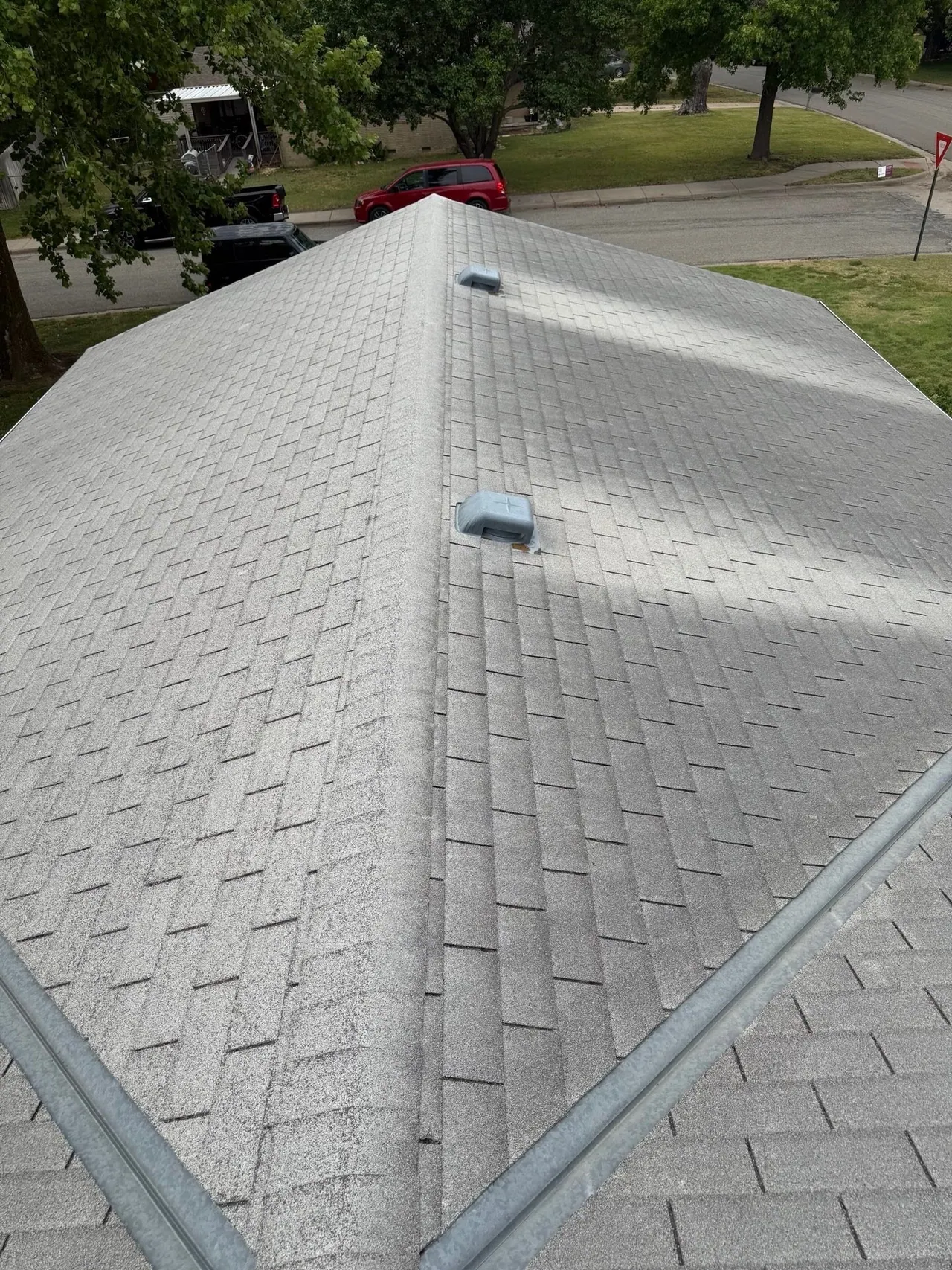
The rubber collars around plumbing pipes crack in the sun. A cracked boot lets water run straight down the pipe into the attic.

Most expensive roof problems start as small ones: a cracked pipe boot, a lifted shingle, a sealant joint that has dried out, or a valley packed with leaves.
Tell us what you are seeing and we will set up a time to inspect your roof, explain the practical options and give you a written price.
Prefer to talk? Call (316) 742-1900
Our office will contact you shortly to confirm a time. Prefer to talk now? Call (316) 742-1900.
Need help sooner? Call (316) 742-1900. Hablamos Español.
Most expensive roof problems start as small ones: a cracked pipe boot, a lifted shingle, a sealant joint that has dried out, or a valley packed with leaves. Wichita Roofing Pros checks the parts of your roof that wear first, fixes the small things before they turn into leaks, and gives you a clear picture of how much life your roof has left.
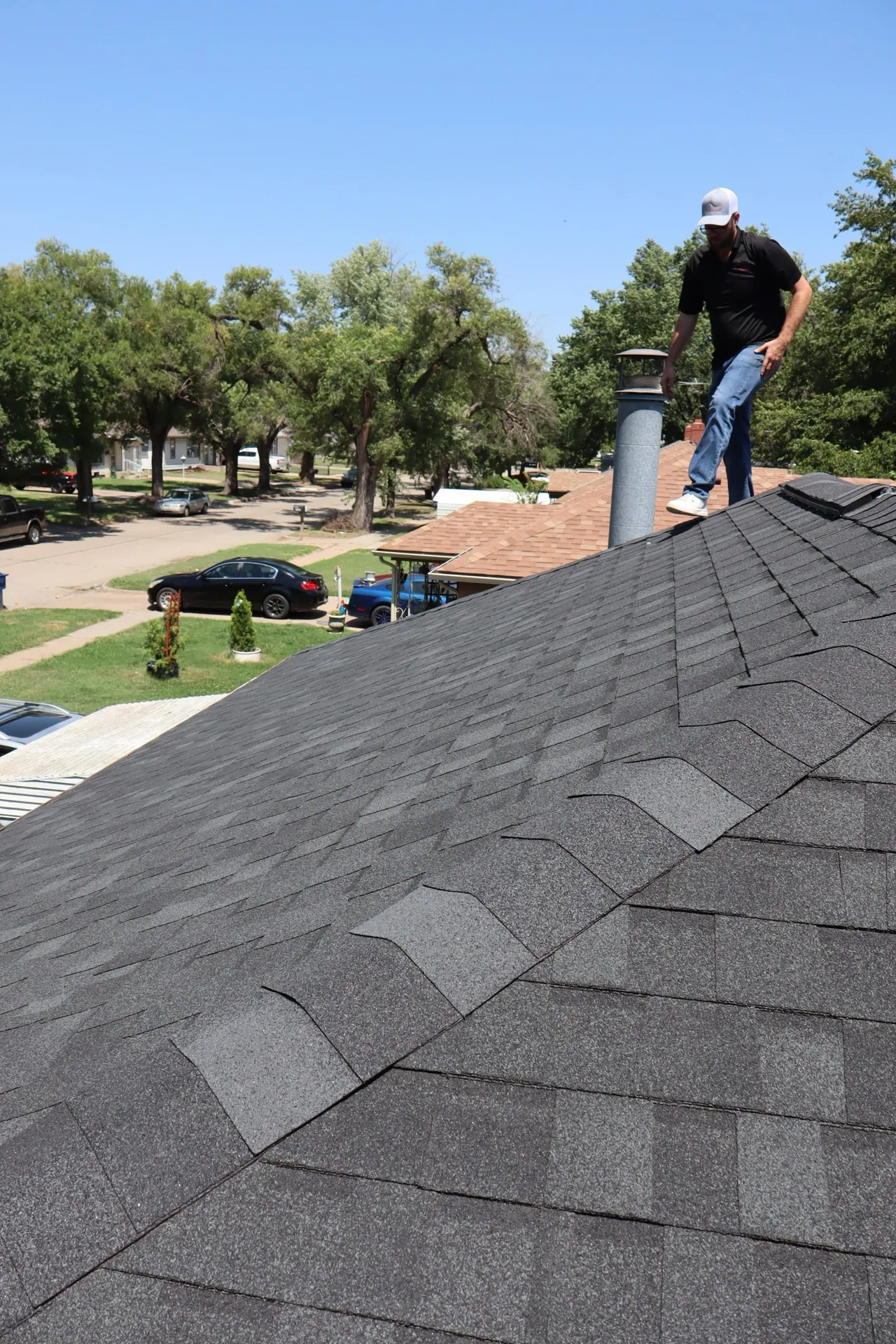
A Kansas roof deals with hail, strong wind, hard summer sun and freezing winter nights. Each season wears on different parts.
Shingles get most of the attention, but the rubber pipe boots, sealant joints, exposed nail heads and metal flashings usually wear out before the field of shingles does. Those small parts cause a large share of leaks.
Water can drip onto insulation and decking for months before a stain appears on the ceiling. By then, the decking may be soft and the insulation ruined. Regular checks catch the problem while the fix is still small.
A storm that does not cause a leak can still loosen shingles or bruise them. The next storm finds that weak spot. Checking after major storms keeps small damage from stacking up.
Knowing the condition of your roof lets you budget for a replacement on your timeline instead of during an emergency.
We look at the parts of the roof that wear out first, then tell you what needs attention now and what can wait.
The rubber collars around plumbing pipes crack in the sun. A cracked boot lets water run straight down the pipe into the attic.
We look for lifted, rusted or loose flashing and for dried-out sealant where flashing meets brick, siding or stucco.
Missing, lifted, cracked or creased shingles, along with worn ridge caps, are marked and photographed.
Nail heads that have backed out can let water in and can puncture the shingle above.
Valleys carry the most water on the roof. We check for debris, worn shingles and open joints.
Clogged or sagging gutters can push water back under the roof edge. We note any problems with the gutters and drip edge.
When we can reach the attic, we check for stains on the decking, damp insulation, daylight around penetrations and signs of poor ventilation.
Skylight flashing, box vents, turbines and power vents are checked for cracks, loose fasteners and gaps.
We give you an honest estimate of how much useful life the roof has left and what would change that.
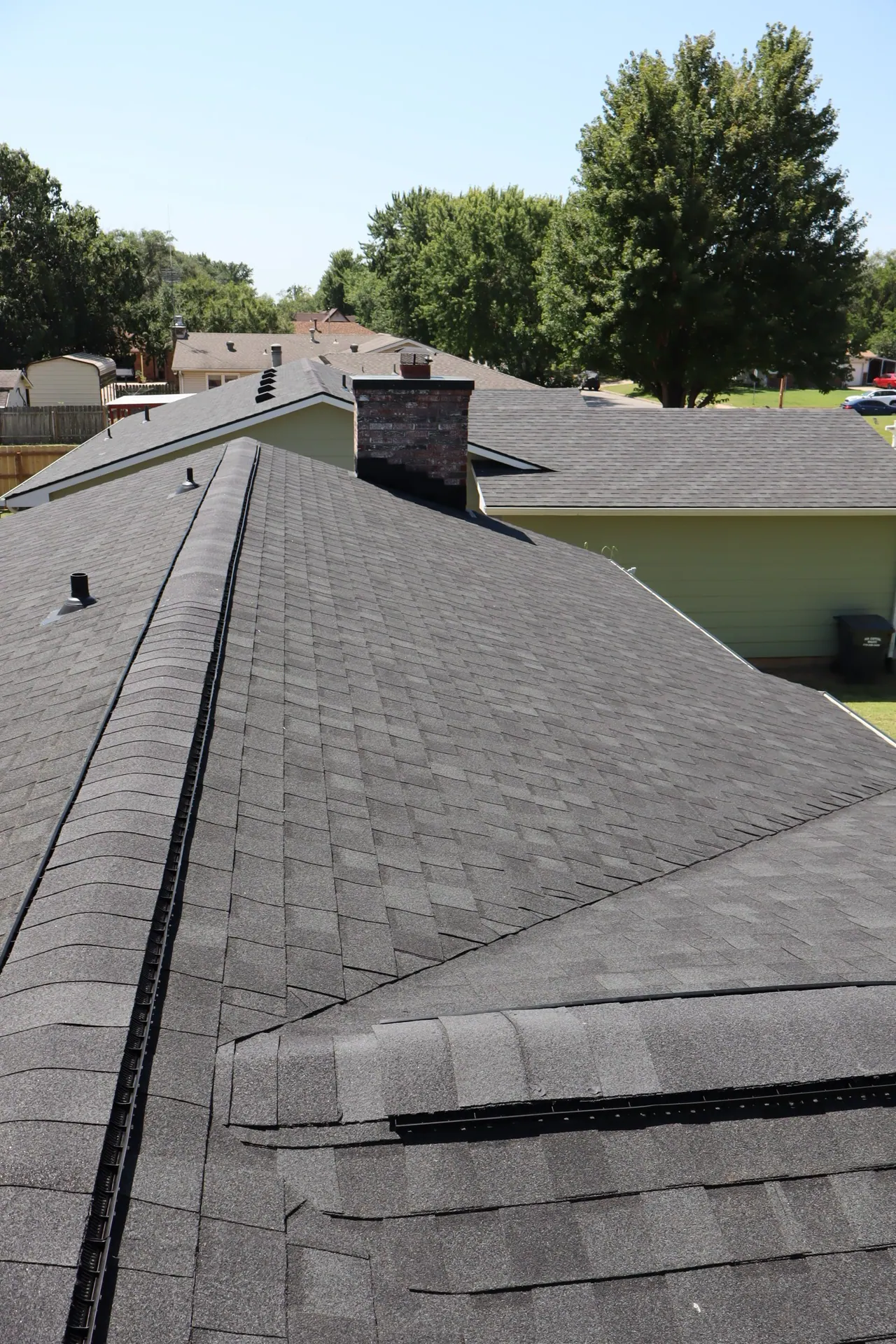
Most maintenance repairs are small, quick and far cheaper than repairing water damage later.
Every repair comes with a written price before we start. If a repair is not worth doing because the roof is near the end of its life, we will tell you.
Swapping a cracked boot for a new one is one of the most effective leak-prevention repairs on a shingle roof.
Counter flashing and wall flashing joints are resealed or refastened. When flashing is rusted through or badly bent, we replace it.
A few missing or cracked shingles can be replaced so the slope sheds water again. We match color and style as closely as available products allow.
Popped nails are reset or replaced, and the shingles above are sealed down.
Leaves, needles and branch debris hold water against the roof. Clearing them lets the roof drain.
Loose or cracked vent caps and failing seals around vents are repaired so wind-driven rain cannot get in.
Each season brings different risks. Here is a simple plan for a Wichita home.
Check for winter damage, clear gutters and valleys, and replace any loose or cracked shingles before hail and wind season starts.
After any storm with large hail or high wind, look for shingles in the yard, dented gutters and damaged vents. Call for an inspection if you see damage.
Clear leaves from gutters and valleys, check that downspouts drain away from the house and make sure flashing is sealed before freezing weather.
Look for attic frost, drips or ceiling stains after snow or ice. Stay off the roof in icy weather and call if you see a problem.
You do not need to climb on the roof to spot most warning signs. Leave the roof work to trained crews.
0 of 6 checked. Tick anything you have noticed.
Noticed something? Book a free inspection or call (316) 742-1900.
A new roof and a 20-year-old roof need different attention.
A new roof needs little more than gutter cleaning and a look after big storms. Keep your installation paperwork and warranty documents somewhere safe.
As sealants age and pipe boots weather, small repairs become more common. A check every spring and fall and after major storms keeps the roof on track.
On an older roof, shingles lose granules, become brittle and may curl at the edges. Maintenance can extend the roof’s life for a while, but at some point repairs stop being worth the money. We will tell you when you reach that point and explain what a roof replacement would cost, using our planning price of $505 per roofing square.
Regardless of age, schedule a free roof inspection after a hailstorm or high winds. Damage that qualifies for an insurance claim is easiest to document soon after the storm.
A simple folder of roof records helps in several ways.
Records show when the roof was installed and what was done to it since.
Photos of a well-maintained roof before a storm help show what the storm changed.
Buyers and inspectors ask about roof age and repairs. Records answer those questions quickly. Our lifetime transferable warranty can also transfer to the next owner.
Seeing repairs become more frequent helps you decide when to budget for a new roof.
A free inspection shows you exactly what needs attention now and what can wait.
Maintenance keeps a healthy roof healthy. It cannot make an old or badly damaged roof new again.
These signs usually mean it is time to think about replacement instead of more repairs:
We explain the trade-off honestly. Read our guide on whether to repair or replace a roof for more detail.
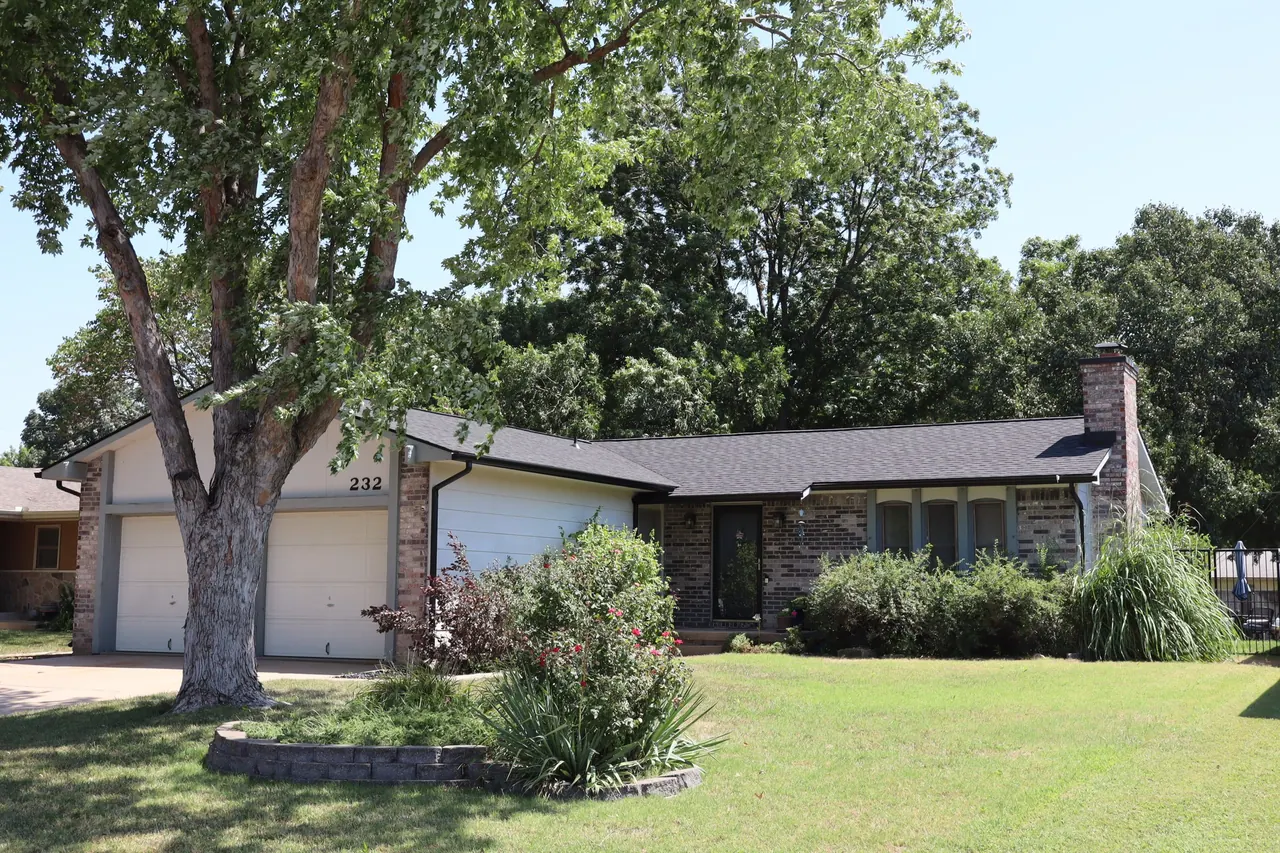
Shade trees are a big part of many Wichita neighborhoods, and they change how a roof wears.
We point out branches that should be trimmed and note debris-prone areas that need regular clearing.
Debris settles in valleys, behind chimneys and in gutters, where it holds moisture against the roof.
Limbs that touch the roof wear away granules and can lift shingles in the wind.
Shaded slopes stay damp longer, which encourages moss and algae.
Squirrels and raccoons use overhanging limbs to reach the roof, where they can chew vents and soffits.
Some parts of the roof need extra attention because of how water flows around them.
Chimney flashing and the brick or crown above it wear over time. A cricket behind wide chimneys helps send water around it.
Skylights need sound flashing and seals. Older skylights may need resealing or replacement.
Step flashing along dormer walls and roof-to-wall joints is a common leak point.
Porch or addition roofs with very little slope drain more slowly and need closer checks.
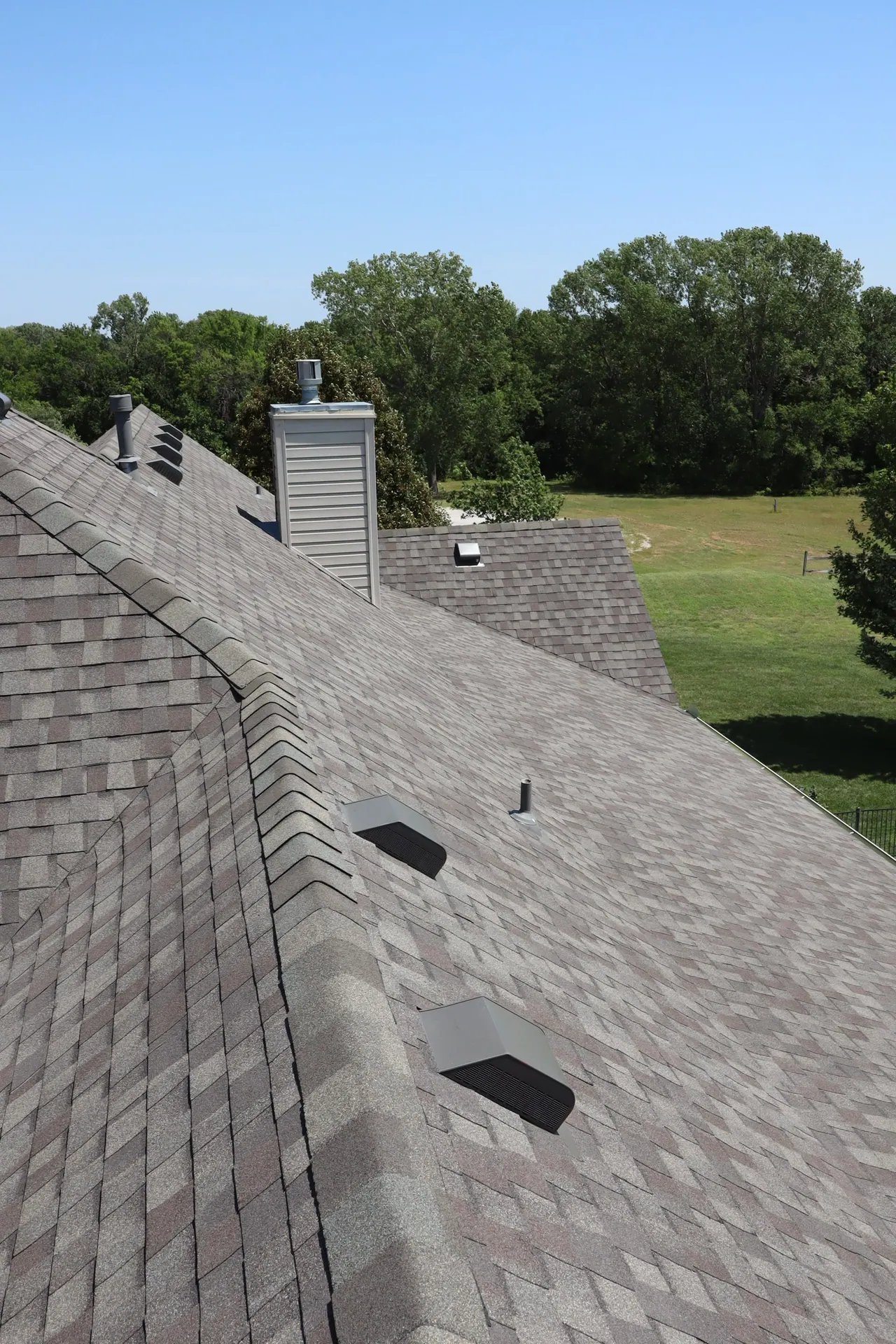
Some of the most important problems are invisible unless someone looks closely.
That is why a close-up check, with photos, tells you far more than a look from the yard.
Hail can soften the mat of a shingle without breaking the surface. Bruises often look like dark spots and can lead to cracks later.
Wind can break the adhesive that holds shingle tabs down, even if the shingles settle back into place. Unsealed tabs lift in the next storm.
Hairline cracks in sealant at walls and chimneys are hard to see but let water in during wind-driven rain.
Rot under the shingles may only show up as a slight dip or a spongy feel underfoot.

Tell us what you are seeing — a leak, missing shingles, hail damage, gutter overflow or an aging roof. We’ll inspect it, explain the practical options and help you decide what should happen next.
Our office will contact you shortly to confirm a time. Prefer to talk now? Call (316) 742-1900.
Need help sooner? Call (316) 742-1900. Hablamos Español.
Answers come from this website’s information. For an exact price or diagnosis, book a free inspection.