
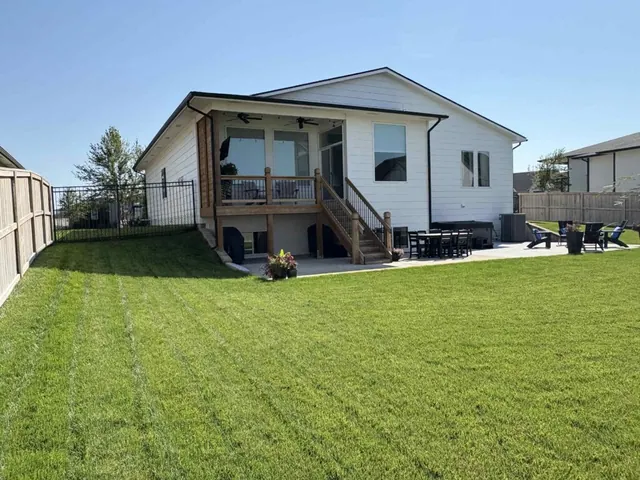
Quick answerThe documentation process begins before you contact your insurance company and before a contractor arrives. Start from the ground. Photograph the exterior of the home from all four sides, including the full roofline, gutters, downspouts, siding, and any window trim or exterior vents.
After a severe thunderstorm moves through Wichita, the most costly mistake a homeowner can make is assuming the roof is fine because nothing looks obviously wrong from the driveway. Storm damage to asphalt shingles, flashings, gutters, and decking is often subtle, and the window for filing a documented insurance claim is time-limited. Proper documentation immediately after a storm is not about being pessimistic. It is about protecting your financial interest and giving your insurer the clearest possible picture of what occurred.
This guide covers what to photograph, where to look, what not to overlook, and how to organize your documentation before an adjuster visit. Wichita is no stranger to large-hail events, and preparation makes a meaningful difference in claim outcomes. If you want a professional to perform the inspection and build an adjuster-ready damage report, Storm and Hail Damage services in Wichita include complete documentation support. Homeowners across the Wichita roofing service area can schedule a no-cost post-storm assessment through Wichita Roofing Pros.
Worried about your roof?Wichita Roofing Pros will check it for free and explain what we find in plain words.Book a Free Inspection or call (316) 742-1900
What Should You Photograph Immediately After a Wichita Storm?
The documentation process begins before you contact your insurance company and before a contractor arrives. Start from the ground. Photograph the exterior of the home from all four sides, including the full roofline, gutters, downspouts, siding, and any window trim or exterior vents. Wide establishing shots provide context for where the property is and what the surrounding conditions look like post-storm, including downed branches, debris on the roof, or standing water around the foundation.
Move closer and photograph the gutters at multiple points. Gutters accumulate asphalt granules when hail knocks them loose from shingles. Visible granule accumulation in gutters and downspout discharge areas is one of the earliest and most documentable indicators of shingle surface damage, even if the shingles themselves look intact from the ground. Photograph any visible dents in aluminum gutters, downspouts, or metal vent caps, because denting on soft metals during a storm is strong evidence of hail size and impact energy.
Photograph any window screens, AC condenser fins, or decorative exterior metals. These surfaces dent readily and provide a clear record of the hail event without requiring roof access. NOAA National Weather Service Wichita storm reports can be cross-referenced with your damage documentation to connect your findings to a specific documented storm event, which strengthens a claim substantially.
How Do You Identify Hail Damage on Wichita Roof Shingles?
Hail damage on asphalt shingles presents as circular or oblong impact points where granules have been displaced, leaving a dark, bruised depression in the shingle mat. On architectural (dimensional) shingles, the damage point may have a slightly rough texture around the impact site. The surrounding granules are often displaced outward in a starburst pattern. This is distinct from normal wear, where granule loss is diffuse and even across the shingle surface rather than concentrated at discrete impact points.
The critical characteristic of functional hail damage is that the granule displacement exposes the asphalt mat beneath to direct UV radiation. Over the months and years following a storm, this exposed mat oxidizes and becomes brittle, leading to cracking and eventually water penetration. The damage is not always immediately leaking, but it is progressing toward failure. This is why insurance policies cover storm damage rather than waiting for an active leak, and why documentation shortly after a storm is the appropriate time to file.
On a standing seam metal roof, hail damage shows as denting of the panel face. On exposed-fastener metal panels, the fastener heads may also show impact marks. Steel shingles and metal panels with Class 4 UL 2218 impact ratings generally resist functional damage, but cosmetic denting can still occur with large hail. Document any denting on metal surfaces the same way you would document shingle damage.
This guide covers what to photograph, where to look, what not to overlook, and how to organize your documentation before an adjuster visit.
What Structural Damage Indicators Should Wichita Homeowners Check?
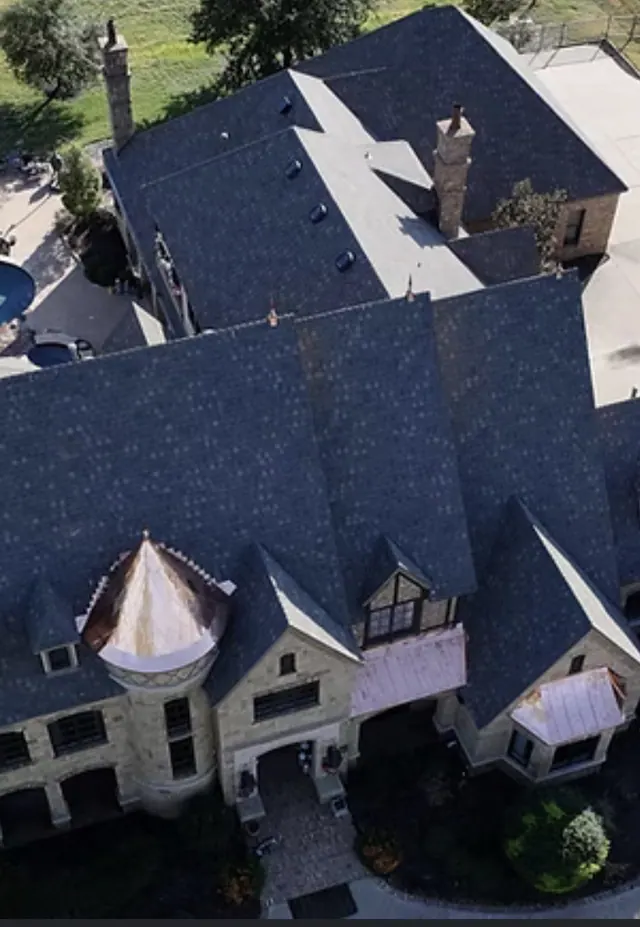
Beyond shingle surface damage, Wichita homeowners should check four additional areas after any significant storm: flashings, ridge and hip areas, soffit and fascia, and the attic interior.
Flashing at chimney bases, pipe boots, skylights, and wall-to-roof junctions can be displaced, lifted, or cracked by high-wind events. Photograph all visible flashing from the ground if possible, and flag any areas where the metal appears to be separated from the surface beneath it. Wind can peel back step flashing or counter-flashing that appeared secure before the storm, creating an immediate path for water entry at the next rain event.
Ridge caps and hip shingles are the most exposed elements on any roof and are frequently the first to show wind damage. Look for displaced, creased, or missing ridge cap shingles from multiple angles. Photograph any areas where the ridge cap has shifted or where the adhesive has failed and the shingle is lifting at the edge.
Soffit panels on the eave underside can be blown loose during high-wind events. Displaced soffit creates an opening for moisture and pests into the attic space. Photograph any soffit panels that appear displaced, buckled, or separated from their channels. Check fascia boards for any visible impacts from flying debris.
Inside the attic, use a flashlight to check decking boards for any new water staining, dark spots indicating moisture penetration, or soft areas in the sheathing. Photograph any new staining compared to prior knowledge of the attic’s condition. Even if staining is not new, documenting its existence creates a baseline for future reference.
How Do You Document Wind Damage Versus Hail Damage After a Wichita Storm?
Wind damage and hail damage produce different patterns on roofing materials, and distinguishing between them matters for insurance claim accuracy. Wind damage typically shows as lifted, creased, or missing shingles where the sealant strip bonding shingles together has separated. You may see shingles that have been folded back along a crease line, exposing the adhesive strip. Missing shingles leave bare decking visible and can occur in lines or patches corresponding to where a gust of wind created pressure differential across the roof surface.
Hail damage, by contrast, is distributed more randomly across the roof surface, concentrated on horizontal and low-slope areas where stones hit at a steeper impact angle. The pattern of impact points on a Wichita roof after a hailstorm often shows higher density on the side of the roof facing the storm’s direction of travel. Wichita storms commonly track from the southwest or west, so west- and south-facing roof planes frequently show more concentrated hail impact than east or north faces. Documenting which faces show the most damage and photographing the pattern of impacts supports the adjuster’s assessment of storm origin and intensity. A Wichita Roofing Pros roof inspection report includes directional damage mapping that helps insurers contextualize findings.
Top 7 Items to Document After a Wichita Storm for Your Insurance Claim
- Date and time of the storm, cross-referenced with the NOAA storm report. The National Weather Service maintains local storm reports for the Wichita ICT area that document hail size, wind speed, and location. Print or save the relevant report with your claim documentation.
- Wide exterior photographs from all four sides of the home. These establish the pre-repair condition of the full structure and give adjusters context for where damage is located.
- Close-up photographs of gutter granule accumulation. Granules in gutters after a storm are one of the most straightforward indicators of shingle impact damage and are easy to photograph at ground level.
- Photographs of any dented metal surfaces. AC condenser fins, aluminum gutters, metal vent caps, and downspouts all show hail impact clearly and help document the energy of the event.
- Photographs of any displaced or lifted shingles, ridge caps, or flashing. Even if damage appears minor, document every affected area before any temporary repairs are made.
- Attic interior photographs showing any new moisture staining or soft decking areas. Interior documentation connects the exterior storm event to actual water entry.
- A professional contractor inspection report with photographs. An independent assessment from a licensed roofing contractor, completed before the adjuster visit, provides the adjuster with a roofing-specific evaluation of damage scope.
Should You Make Temporary Repairs Before Your Adjuster Visits in Wichita?
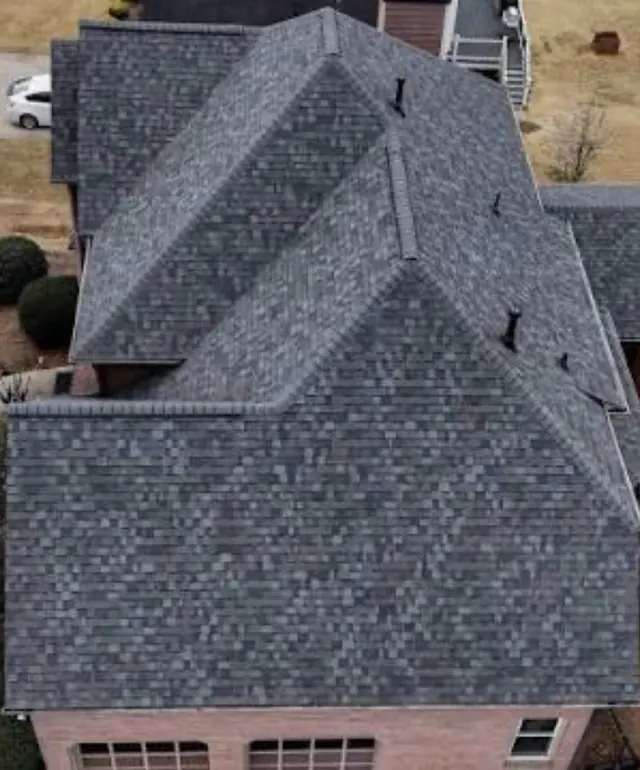
Temporary protective measures are both appropriate and expected when a storm leaves your roof with active water entry points. Covering exposed decking with a tarp, re-securing a displaced shingle, or temporarily sealing an obvious flashing gap is reasonable and documented by insurers as mitigation of ongoing damage. What you must do is photograph all damage in its original post-storm condition before making any temporary repair, and save all materials that are removed, including damaged shingles, so the adjuster can evaluate them.
Do not let any contractor make permanent repairs before your adjuster visit without explicit written authorization from your insurer. Some policies contain provisions that limit coverage if permanent repairs are performed without an approved claim scope. Temporary tarping and emergency sealing are fine; a full shingle replacement before the adjuster documents scope is not.
The Kansas Department of Insurance storm claim data reflects the volume and frequency of hail-related claims in the Wichita area. Having your documentation organized before calling your insurer puts you in the best position to support your claim through the process. The team at Wichita Roofing Pros roof inspection provides no-cost post-storm assessments that include written reports and photographs your adjuster can use directly.
What a Sedgwick County storm season does to a roof
Repeated storms add up. A roof that came through one hail event with light bruising can start shedding granules, lifting tabs or leaking around flashing after the next round of wind. Documenting condition after each major storm gives you a clear timeline if you ever need to file a claim.
Storm damage checklist: what to look for from the ground for Wichita homeowners
You do not need to climb a ladder to spot the first clues. Walk the property in daylight and note anything on this list.
- Dents or dings on gutters, downspouts, vents and window wraps
- Granules collecting at downspout outlets or on driveways
- Missing, creased or lifted shingles, especially on the windward side
- Dented AC condenser fins or damaged patio furniture
- Cracked or split siding and damaged window screens
- New water stains on ceilings or walls after the storm
- Debris or tree limbs resting on the roof
- Shingle pieces in the yard
Hail size and what it usually means for a roof
Hail size is a useful first clue, but roof age, material and wind direction matter just as much. Use this as a rough guide only, then have the roof checked.
| Reported hail size | Common comparison | What we often check for |
|---|---|---|
| Under 1" | Pea to quarter | Granule loss, soft-metal dents, aging shingles |
| 1"–1.75" | Quarter to golf ball | Bruised or cracked shingles, damaged vents and gutters |
| 2" and up | Hen egg and larger | Fractured shingles, punctures, decking and skylight damage |
What to do in the first 48 hours after a storm
A calm, simple order of operations keeps your family safe and protects any future claim.
- Stay safe. Stay off the roof and away from downed lines.
- Stop active water. Move belongings, catch drips and call for emergency tarping if water is coming in.
- Take photos. Date-stamped photos from the ground, plus any interior stains.
- Schedule a free inspection. We document roof-level damage with photos.
- Call your insurer if damage is found. Your insurance company decides coverage; we can meet the adjuster.
How storm repairs are usually paid for
If your policy covers the event, your insurer pays according to your policy after the deductible. If damage is minor or not covered, a targeted repair may be the most cost-effective fix. We put the scope and price in writing either way, and financing is available for qualifying projects.
From our work: Brick Ranch Roof Replacement
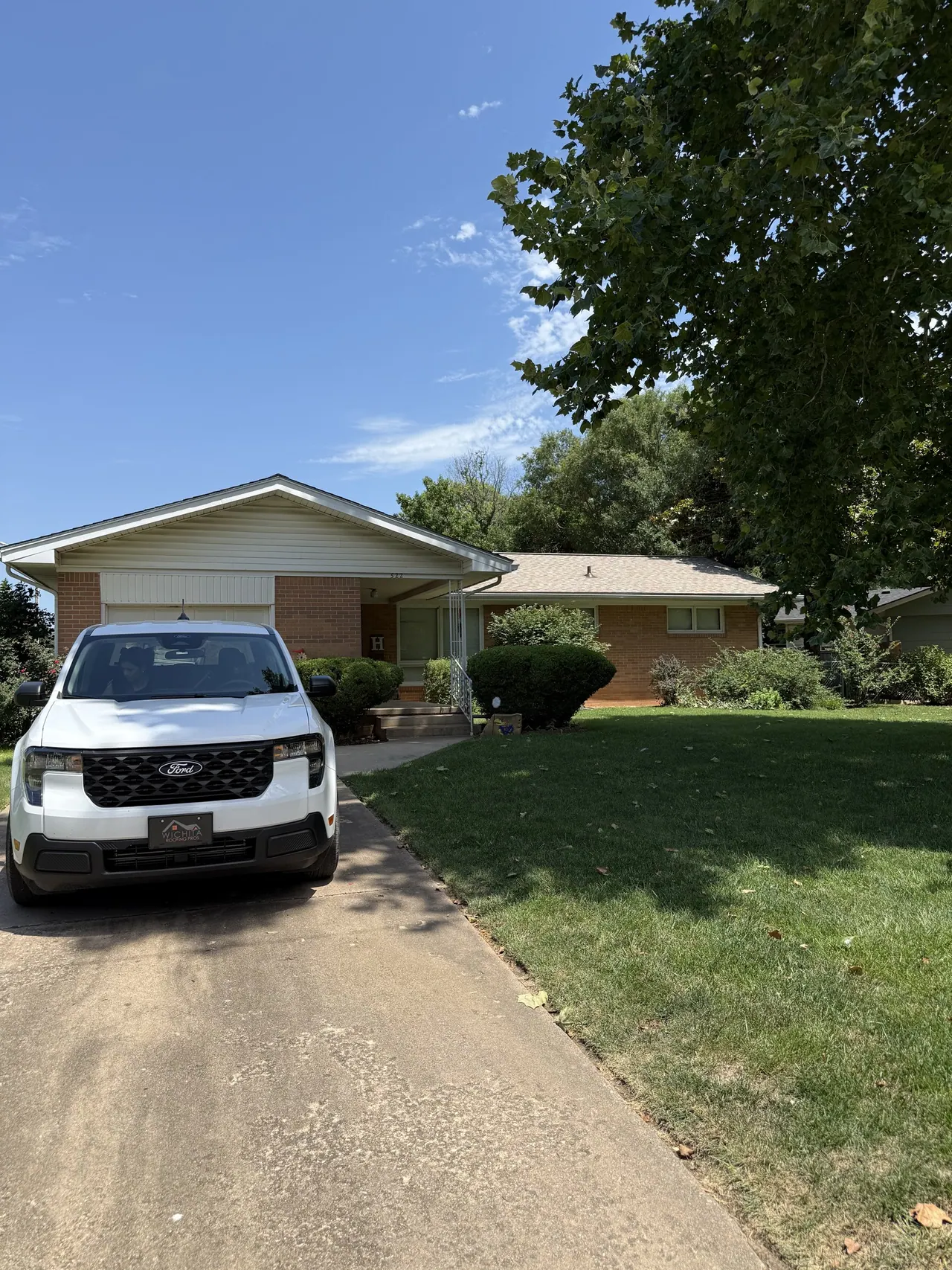
The original gray shingles on this brick ranch were weathered along the ridge and edges. The crew tore the roof off, installed new architectural shingles and a straight new ridge line, and the home was photographed again from the same spots after completion.
Watch: Drone view: crew installing shingles
What Roof Damage Should You Document After a Wichita Storm? The honest answer depends on your roof’s age, material and the damage we can document. A free inspection from Wichita Roofing Pros gives you photos, a plain-English explanation and a written next step — with no obligation. Hablamos Español.
Schedule a Free Roof InspectionCall (316) 742-1900Frequently Asked Questions About Storm Damage Documentation in Wichita
How long do I have to file a storm damage claim in Kansas after a hail event?
Kansas homeowner’s insurance policies typically require claims to be filed within one year of the date of loss, though specific policy language varies by carrier. Filing as soon as damage is documented rather than waiting is advisable. Early filing ensures the claim is tied to the correct storm event and allows more time to address any supplement or dispute in the scope if the initial adjuster assessment is incomplete.
What is the difference between functional and cosmetic storm damage for insurance purposes?
Functional damage impairs the roof’s ability to shed water and protect the structure. Hail bruising that exposes the asphalt mat is functional damage because it accelerates deterioration and creates future leak risk. Cosmetic damage includes surface marks or minor denting that do not affect waterproofing performance. Some Kansas insurance policies exclude cosmetic damage, so understanding your policy’s specific language before a storm helps you know what to document and what your coverage includes.
Should I be on the roof documenting damage myself after a storm in Wichita?
Roof access after a storm carries significant fall risk and can cause additional shingle damage. Documenting from the ground and from gutters at ladder height is both safer and sufficient for initial claim documentation. A licensed contractor carries the appropriate safety equipment and insurance for roof-level inspection. Let the professional perform the on-roof assessment while you document ground-level and gutter evidence from a safe position.
Can I use a drone to document roof damage after a storm in Wichita?
Drone photography can be a useful supplemental documentation tool and can capture roof-level imagery safely without requiring physical access. However, a drone photograph showing dents or discoloration is not a substitute for an on-roof professional inspection that can confirm the nature and extent of damage. Use drone images as supplemental evidence alongside a contractor’s written inspection report rather than as the sole documentation.
What if my insurance adjuster says there is no covered damage after a Wichita hailstorm?
If you have a contractor inspection report documenting specific damage findings that your adjuster disputes, you have the right to request a re-inspection or to invoke your policy’s appraisal or dispute process. Having a detailed contractor report with photographs that specifically identifies impact points, displaced granules, and estimated scope gives you a professional basis for challenging an initial denial. The Wichita roofing service area team can provide documentation structured to support this process.
Can hail damage a roof without causing a leak?
Yes. Hail can bruise shingles and knock off granules without an immediate leak. The damage often shows up later as premature aging or leaks.
Do you work with my insurance company?
We can document damage and meet your adjuster. Your insurance company decides what is covered under your policy.
Is a storm inspection really free?
Yes. Wichita Roofing Pros provides free, no-obligation roof inspections. Call (316) 742-1900.




