Quick answerImpact-resistant shingles are rated by dropping steel balls on them; Class 4 passes the largest (2-inch) ball and Class 3 the next size down. They reduce damage from small and medium hail but are not hail-proof. Some insurers offer premium credits for impact-rated roofs, so ask your agent what applies to your policy.
How are impact ratings tested?
Under the UL 2218 standard, steel balls from 1.25 to 2 inches are dropped on the shingle. Class 3 withstands a 1.75-inch ball and Class 4 a 2-inch ball without cracking.
| Rating | Steel ball size | Roughly like hail size of |
|---|---|---|
| Class 1 | 1.25 in. | Half dollar |
| Class 2 | 1.5 in. | Walnut / ping pong ball |
| Class 3 | 1.75 in. | Golf ball |
| Class 4 | 2 in. | Hen egg |
Hail size comparisons from the National Weather Service hail size reference.
What can impact-resistant shingles not do?
Very large hail can still damage any roof, and real hail is often harder and faster than lab tests. As our walkthrough video puts it, with 2-inch hail you can see damage on Class 3 or Class 4.
Do impact-rated shingles lower insurance premiums?
Some Kansas insurers offer discounts for impact-rated roofs, but the amount depends on your insurer and policy. Ask your agent before choosing, and we can provide the product documentation they request.
Frequently asked questions
Which TAMKO shingle did you install in the walkthrough?
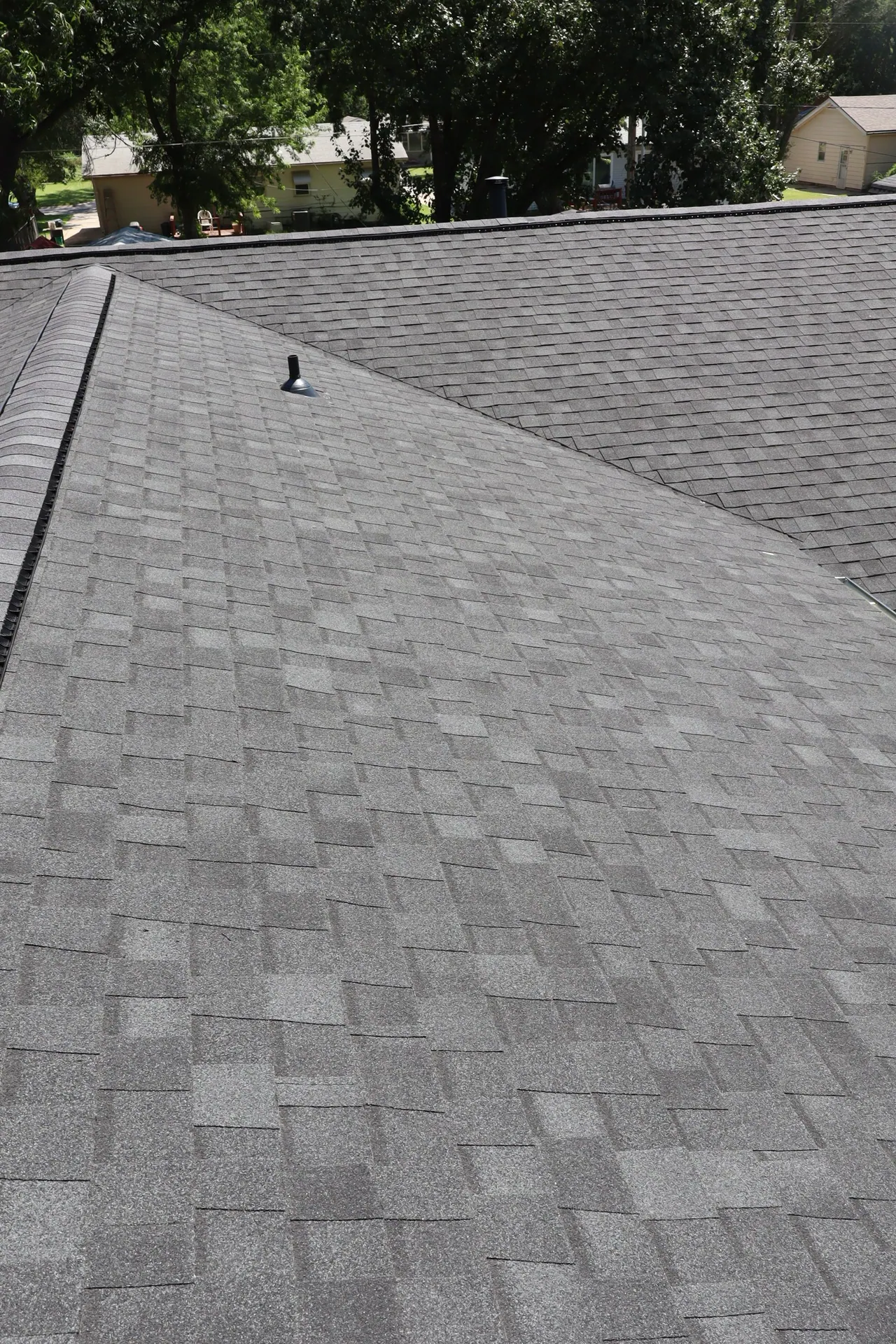
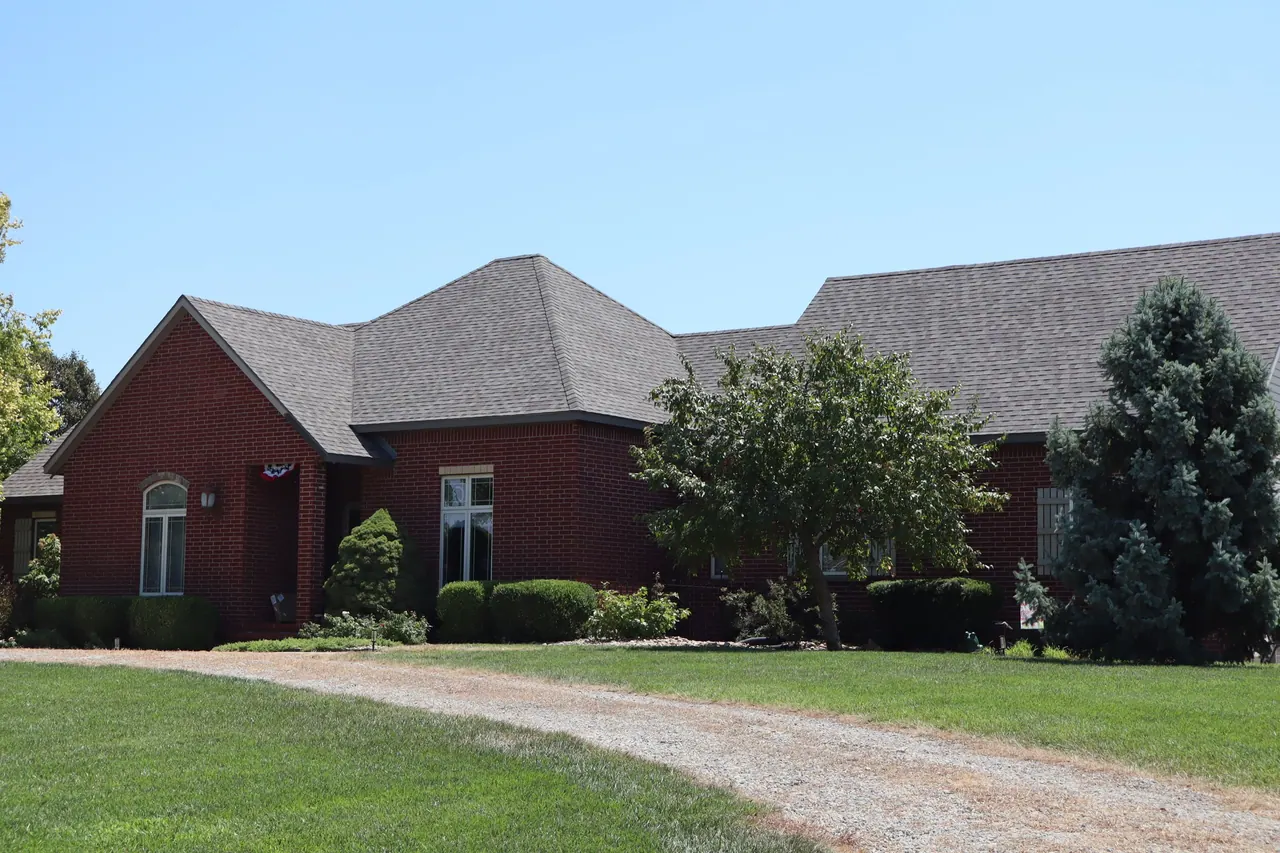
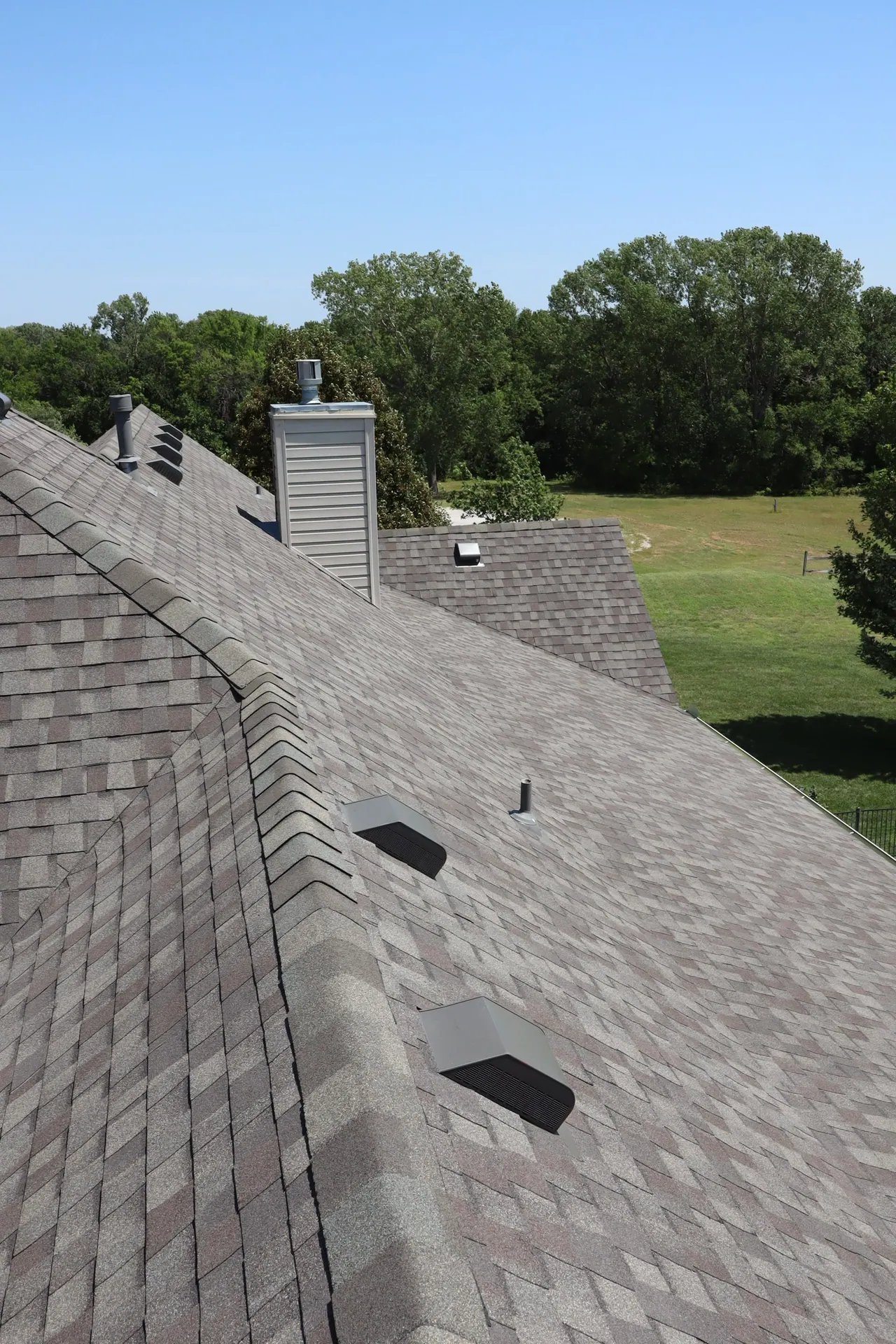
TAMKO Titan XT, a Class 3 impact-resistant shingle, in Weathered Wood.
Is Class 4 worth it in Wichita?
For homeowners who have filed hail claims before or plan to stay long-term, it is often worth pricing both. The inspection estimate can show the difference.