Quick answerMany homeowners underestimate the impact of a roof leak. Even a small leak can create extensive damage if left untreated.
A roof leak may seem like a minor inconvenience at first, but even a small amount of water intrusion can quickly become a major problem. Water entering a home can damage insulation, drywall, ceilings, flooring, electrical systems, and structural components. For property owners in Derby, Kansas, understanding the common causes of roof leaks is essential for protecting their investment and avoiding expensive repairs.
Derby experiences a wide range of weather conditions throughout the year. Heavy rain, strong winds, hailstorms, snow, and extreme temperature fluctuations all place stress on residential and commercial roofing systems. Over time, these conditions can weaken roofing materials and create pathways for water intrusion.
Worried about your roof?Wichita Roofing Pros will check it for free and explain what we find in plain words.Book a Free Inspection or call (316) 742-1900
Recognizing the warning signs of roof leaks and understanding their causes can help homeowners take proactive steps before significant damage occurs. Whether you own a newer home or an aging property, regular roof inspections and maintenance play a critical role in preserving the integrity of your roofing system.
Why Roof Leaks Are a Serious Concern
Many homeowners underestimate the impact of a roof leak. Even a small leak can create extensive damage if left untreated.
Potential consequences include:
- Mold and mildew growth
- Damaged insulation
- Ceiling stains
- Structural wood rot
- Interior wall damage
- Electrical hazards
- Increased utility bills
- Reduced property value
The longer a leak remains undetected, the more costly repairs become. This is why identifying the source of a leak quickly is so important.
How Derby Weather Contributes to Roof Leaks
Kansas weather is often unpredictable. Derby homeowners regularly experience severe storms that can damage roofing systems.
Weather-related factors include:
- Strong wind gusts
- Heavy rainfall
- Hail impacts
- Ice accumulation
- Snow loads
- Temperature fluctuations
- High summer heat
Each of these conditions can weaken roofing materials and create vulnerabilities that allow water to enter the structure.
Heavy rain, strong winds, hailstorms, snow, and extreme temperature fluctuations all place stress on residential and commercial roofing systems.
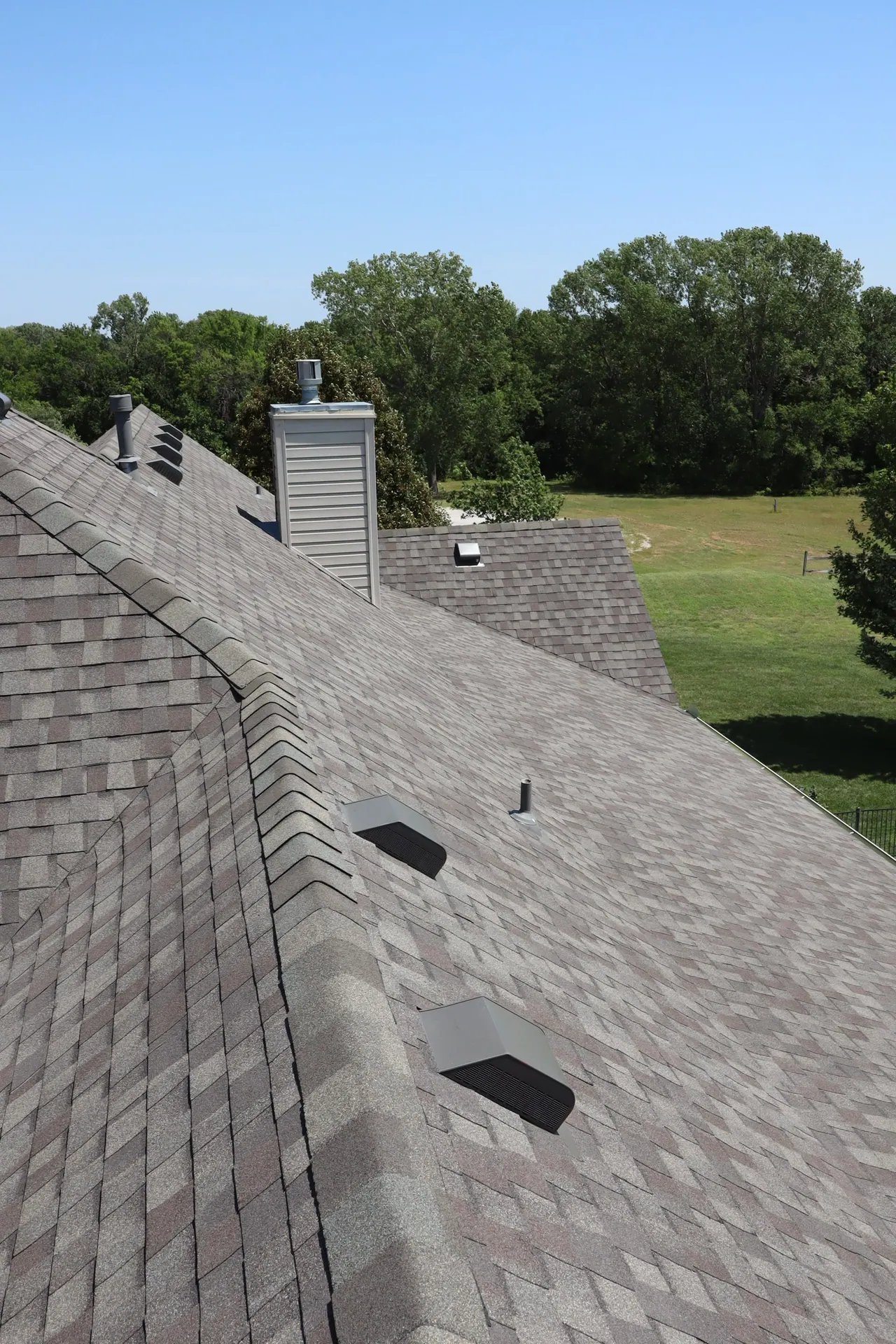
Cause #1: Damaged or Missing Shingles
One of the most common causes of roof leaks is damaged shingles.
Shingles serve as the first line of defense against moisture. When they become cracked, curled, loose, or missing, water can penetrate the underlying layers of the roof.
Common reasons shingles fail include:
- Storm damage
- Aging materials
- Wind uplift
- UV exposure
- Improper installation
Missing shingles should always be addressed promptly to prevent further damage.
Cause #2: Flashing Failures
Flashing is installed around roof penetrations and vulnerable areas to direct water away from critical joints.
Common flashing locations include:
- Chimneys
- Skylights
- Roof valleys
- Vent pipes
- Dormers
Over time, flashing may crack, separate, rust, or loosen.
When flashing fails, water often enters through gaps and begins leaking into the home. Because flashing problems can be difficult to spot from the ground, professional inspections are highly recommended.
Cause #3: Storm Damage
Severe weather is a leading cause of roof leaks throughout Derby.
Storms can create damage by:
- Lifting shingles
- Cracking roofing materials
- Damaging flashing
- Creating punctures
- Loosening fasteners
Many homeowners do not realize their roof has been damaged until a leak appears weeks or months later.
Scheduling a roof inspection after major storms helps identify hidden issues before they worsen.
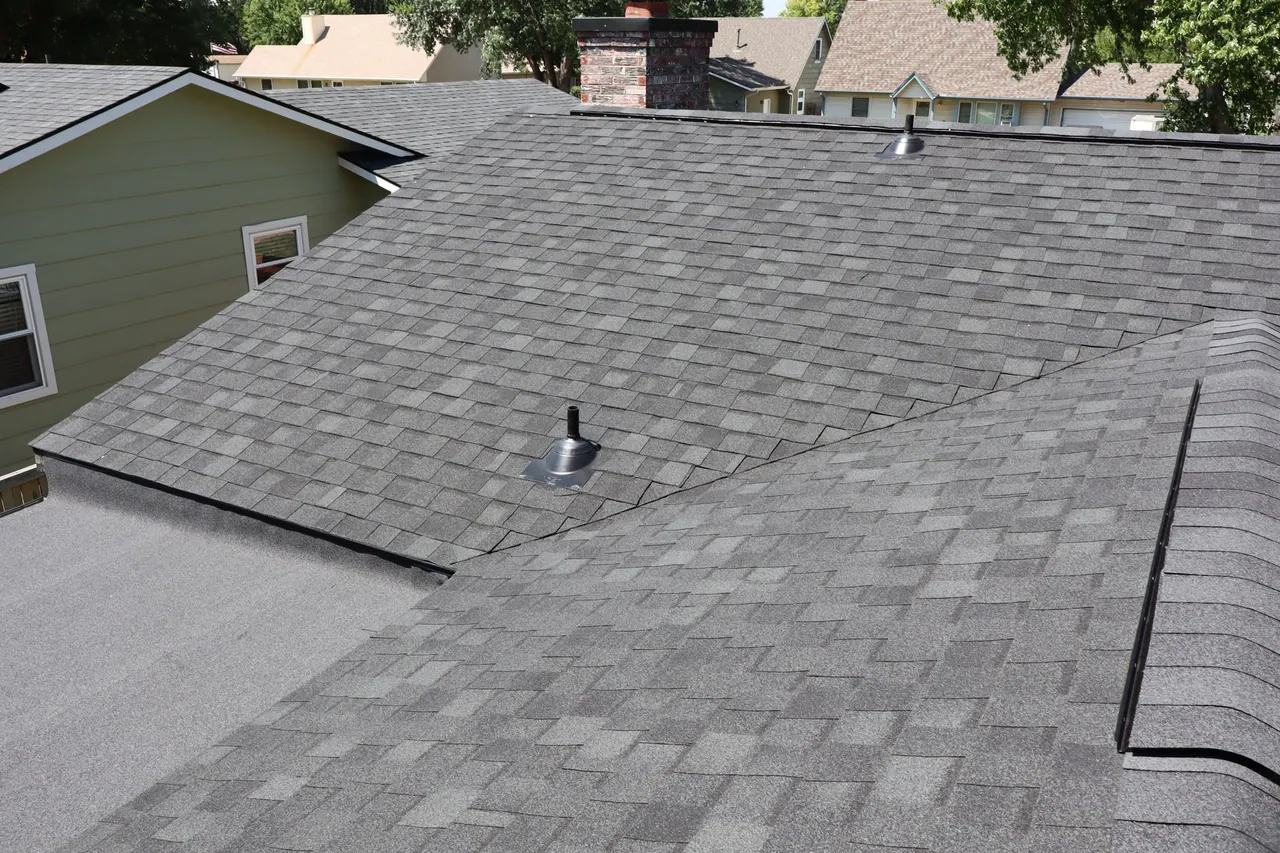
Cause #4: Clogged Gutters
Gutters play an important role in directing water away from the roof and foundation.
When gutters become clogged with:
- Leaves
- Twigs
- Dirt
- Debris
Water may back up onto the roof surface.
Standing water increases the likelihood of moisture penetration and can accelerate deterioration of roofing materials.
Routine gutter cleaning helps reduce the risk of roof leaks.
Cause #5: Aging Roofing Materials
Every roof has a limited lifespan.
Over time, roofing materials naturally deteriorate due to exposure to weather and environmental conditions.
Signs of aging may include:
- Cracked shingles
- Curling edges
- Granule loss
- Brittle materials
- Frequent repairs
Older roofs become more vulnerable to leaks and often require replacement to maintain reliable protection.
Cause #6: Roof Valley Problems
Roof valleys are areas where two roof slopes meet.
These sections channel large amounts of water during rainstorms and are among the most vulnerable parts of a roofing system.
Leaks can occur when:
- Valley flashing fails
- Debris accumulates
- Shingles deteriorate
- Installation errors exist
Because valleys handle significant water flow, even minor damage can lead to serious leaks.
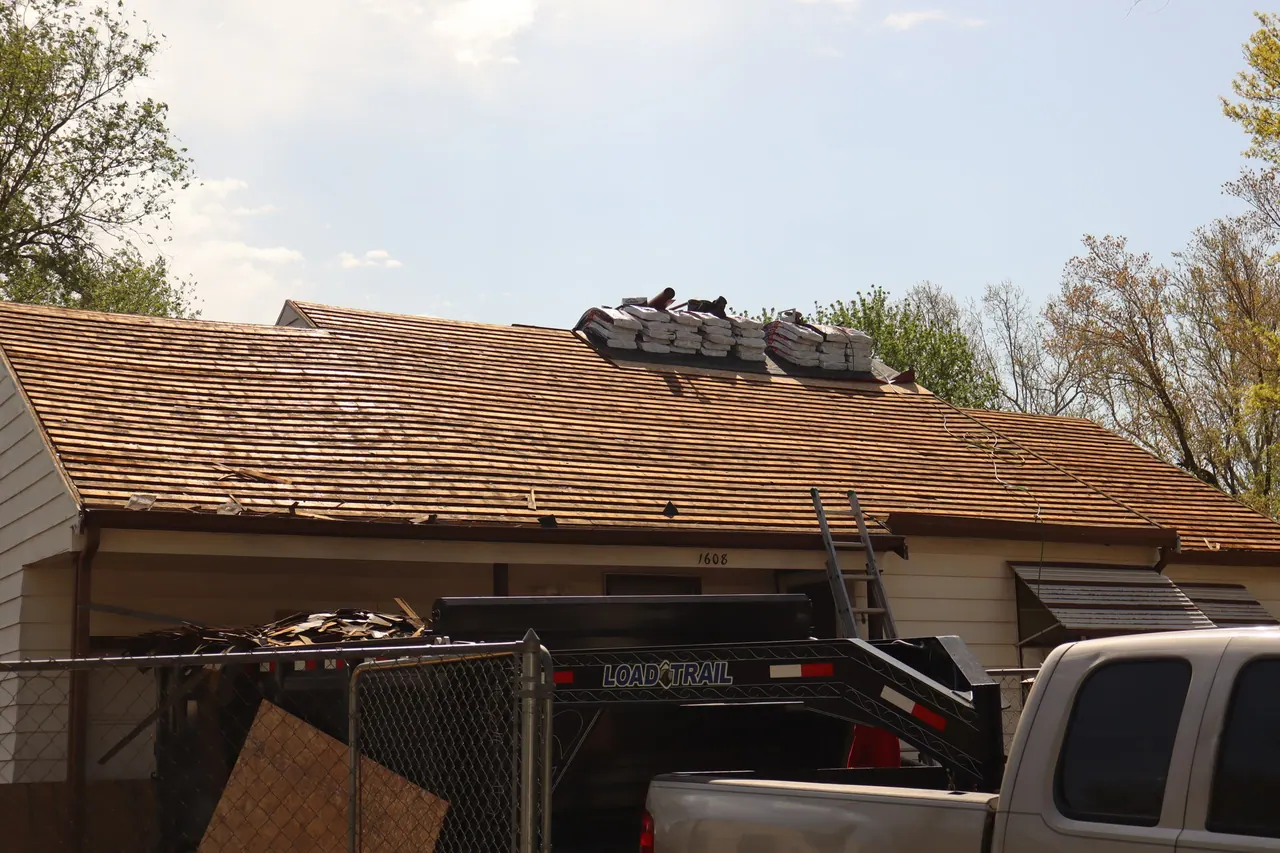
Cause #7: Improper Roof Installation
Not all roof leaks are caused by weather or aging.
Poor installation practices can create problems from the beginning.
Common installation mistakes include:
- Incorrect flashing placement
- Improper nail positioning
- Inadequate sealing
- Poor ventilation design
- Incorrect underlayment installation
Hiring experienced roofing professionals helps ensure roofing systems are installed according to industry standards.
Cause #8: Cracked Vent Boots
Roof vent pipes require protective coverings called vent boots.
These components create a watertight seal around plumbing vents that penetrate the roof surface.
Over time, vent boots can:
- Crack
- Split
- Deteriorate
- Separate from roofing materials
When this occurs, water can enter around the pipe and leak into the attic or living spaces below.
Cause #9: Skylight Leaks
Skylights provide natural light but can also become a source of roof leaks.
Leaks often occur because of:
- Improper installation
- Damaged flashing
- Failed seals
- Aging materials
Regular inspections help ensure skylights remain watertight and functional.
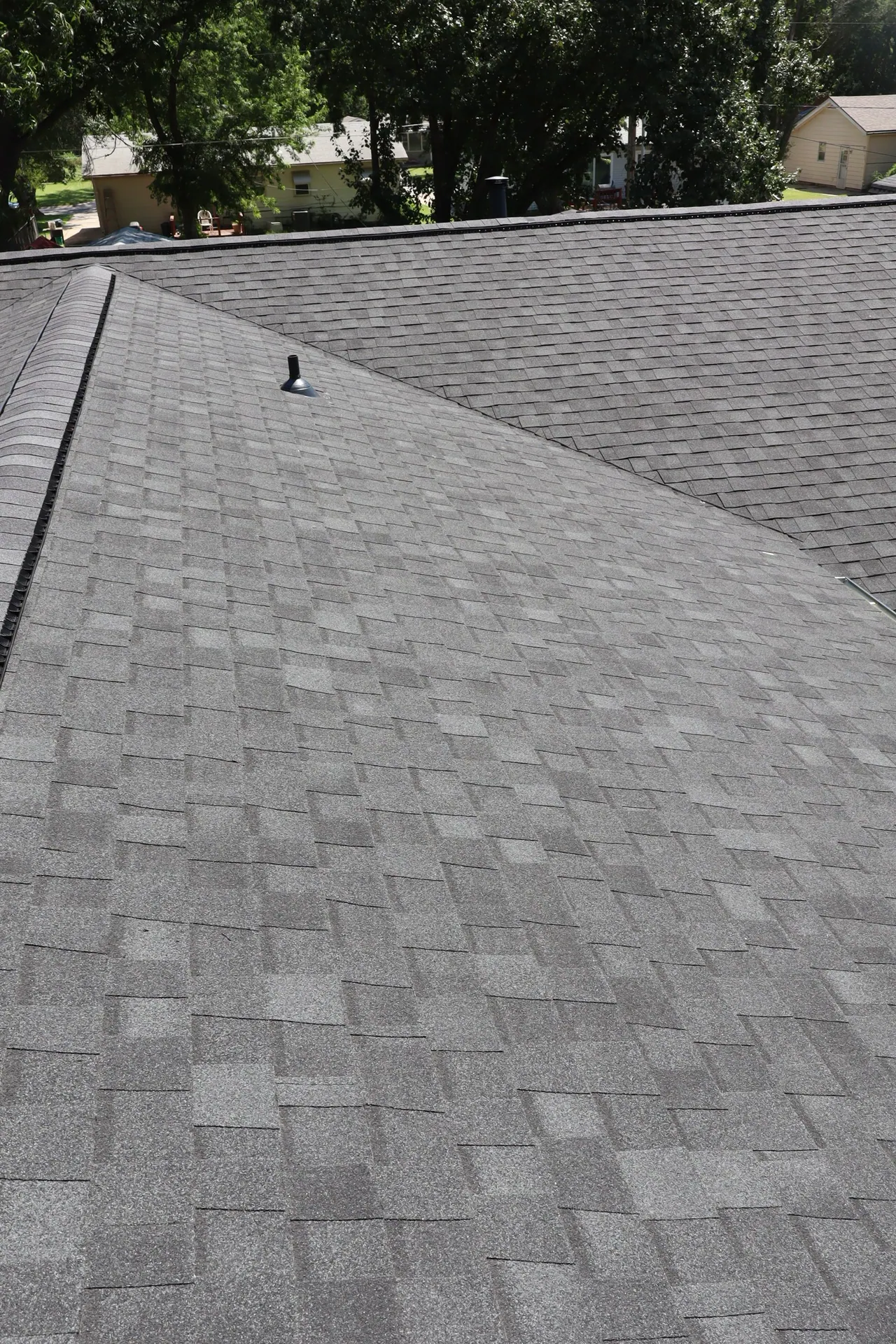
Cause #10: Ice Dams During Winter
Although Kansas winters are generally moderate compared to northern states, ice dams can still form during cold weather.
Ice dams occur when:
- Snow melts on warmer roof sections.
- Water flows downward.
- Water refreezes near colder roof edges.
This process creates a barrier that prevents proper drainage.
Trapped water may back up beneath shingles and enter the home.
Proper attic insulation and ventilation help reduce ice dam formation.
Cause #11: Poor Attic Ventilation
Attic ventilation plays a major role in roof performance.
Poor ventilation can cause:
- Excess heat buildup
- Moisture accumulation
- Condensation
- Premature material deterioration
These issues weaken roofing systems and increase the risk of leaks.
A professional roofing inspection can identify ventilation deficiencies before significant damage develops.
Cause #12: Punctures and Physical Damage
Roof surfaces occasionally suffer physical damage from external sources.
Examples include:
- Fallen tree branches
- Storm debris
- Foot traffic
- Maintenance equipment
Even small punctures can allow water to enter the roofing system.
Prompt repairs help prevent leaks from spreading.
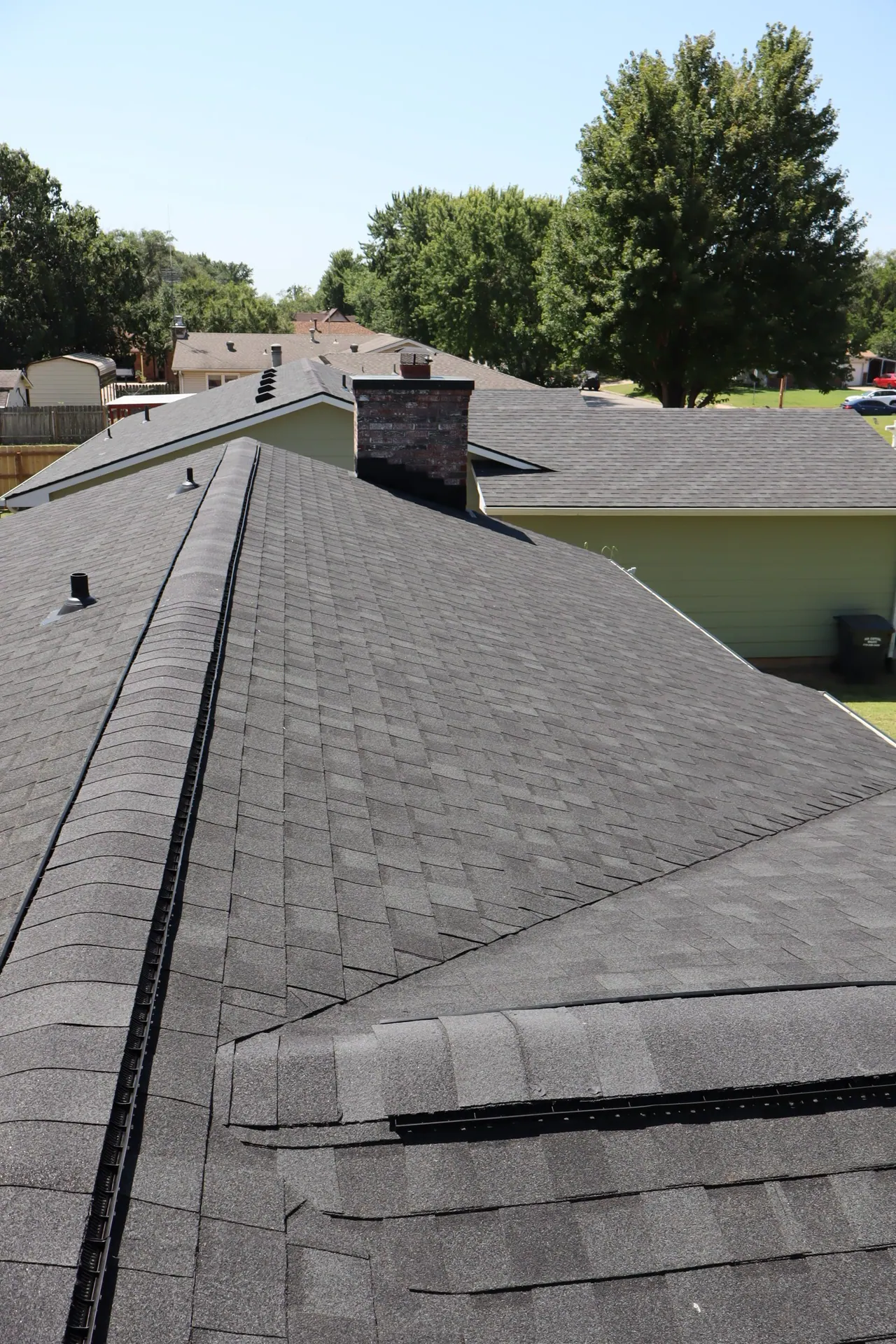
Signs You May Have a Roof Leak
Roof leaks are not always obvious.
Common warning signs include:
- Water stains on ceilings
- Peeling paint
- Musty odors
- Mold growth
- Damp insulation
- Dripping water
- Discolored walls
- Warped drywall
Homeowners should investigate these signs immediately to prevent further damage.
Why Professional Roof Inspections Matter
Many roofing problems are difficult to identify without professional training.
Roof inspections can uncover:
- Hidden storm damage
- Flashing issues
- Ventilation concerns
- Shingle deterioration
- Drainage problems
- Structural weaknesses
Routine inspections allow homeowners to address minor issues before they become expensive repairs.
The Importance of Preventive Roof Maintenance
Preventive maintenance is one of the best ways to avoid roof leaks.
Recommended maintenance practices include:
- Annual inspections
- Gutter cleaning
- Storm damage assessments
- Debris removal
- Flashing inspections
- Ventilation evaluations
Regular maintenance helps maximize roof lifespan and reduce repair costs.
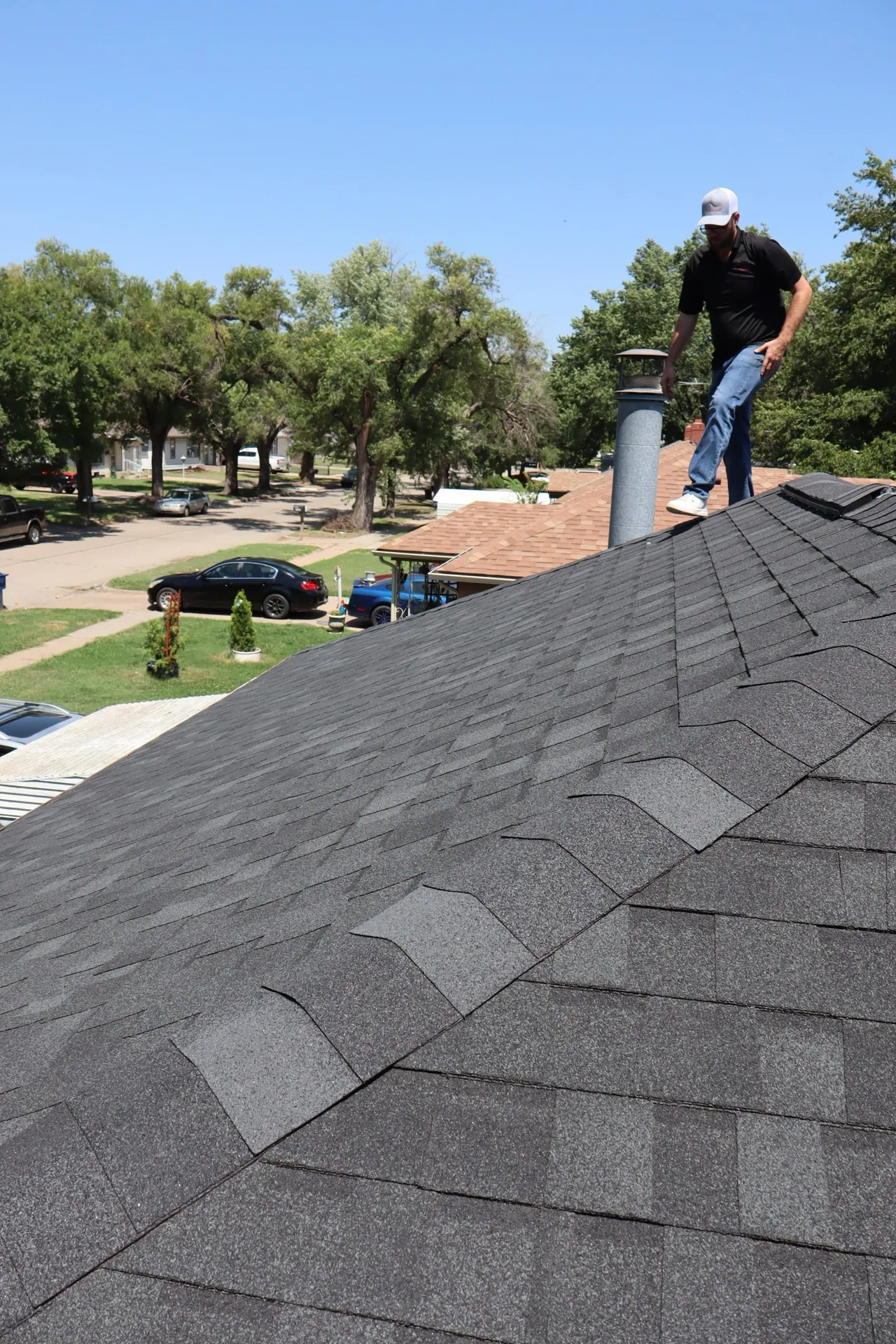
Roof Leak Repairs Versus Roof Replacement
Not every leak requires a complete roof replacement.
Repairs may be appropriate when:
- Damage is localized
- Roofing materials remain in good condition
- The roof is relatively new
Replacement may be necessary when:
- Leaks are widespread
- Multiple components have failed
- Roofing materials have reached the end of their lifespan
- Structural damage exists
A professional roofing contractor can determine the most cost-effective solution.
Choosing a Roofing Contractor in Derby
Finding a trusted roofing company is essential when addressing roof leaks.
Homeowners should look for contractors who offer:
- Local experience
- Comprehensive inspections
- Quality workmanship
- Licensed and insured crews
- Transparent estimates
- Positive customer reviews
Experienced roofing professionals understand the challenges posed by Kansas weather and can recommend effective long-term solutions.
Protecting Your Derby Property From Future Roof Leaks
Preventing roof leaks begins with proactive care.
Homeowners can reduce risks by:
- Scheduling annual inspections
- Addressing repairs quickly
- Maintaining gutters
- Monitoring attic conditions
- Replacing aging roofing materials
- Inspecting roofs after storms
These steps help preserve roof integrity and protect the entire structure.
Conclusion
Understanding the top causes of roof leaks in Derby properties helps homeowners identify problems before they escalate into costly repairs. Damaged shingles, flashing failures, clogged gutters, storm damage, poor ventilation, aging materials, and installation issues are among the most common sources of water intrusion.
Because Derby experiences severe weather throughout the year, regular roof inspections and preventive maintenance are essential. Addressing roofing concerns early can extend roof lifespan, improve energy efficiency, protect property value, and prevent extensive structural damage.
Whether you are dealing with an active leak or simply want to protect your home, working with experienced roofing professionals is the best way to ensure long-term roofing performance and peace of mind.
Why Derby roofs leak where they do
Most leaks we find around Wichita start at transitions, not in the middle of a slope: pipe boots, chimney and wall flashing, valleys, skylights and roof edges. Wind-driven rain and freeze-thaw cycles push water into small gaps that stay dry in a gentle shower.
For homes and businesses in Derby, Wichita Roofing Pros provides free inspections from our office at 1809 S Hoover Rd in Wichita. See our Derby roofing page for local details.
Common leak sources and typical fixes
Every roof is different, but these are the patterns we see most often.
| Leak source | What it looks like | Typical fix |
|---|---|---|
| Pipe boot | Stain near a bathroom or kitchen vent | Replace the boot and reseal |
| Chimney or wall flashing | Stain on a wall or near the chimney | Reflash or counter-flash |
| Valley | Stain where two roof planes meet | Repair valley shingles or metal |
| Skylight | Drips around the frame | Reflash or replace the skylight curb |
| Worn field shingles | Multiple stains, granule loss | Section repair or replacement |
What to do the moment you find a leak
A few quick steps limit the damage while you wait for the inspection.
- Contain the water. Buckets, towels and moved furniture.
- Relieve a bulging ceiling safely. Puncture only if it is safe, with a bucket underneath.
- Photograph it. Inside stains and any outside damage.
- Call for a tarp if needed. Emergency tarping stops more water while repairs are planned.
- Book a leak inspection. We trace the source, not just the stain.
Leak repair mistakes that cost more later
- Caulking over a leak without finding the source
- Painting over a ceiling stain
- Ignoring a drip that only appears in heavy storms
- Replacing drywall before the roof is fixed
- Skipping an attic check for wet insulation
What affects the cost of a leak repair
Price depends on the source, roof access and pitch, the material, and whether decking or insulation got wet. A pipe-boot or flashing repair is very different from a repair that needs decking replaced. You get the scope and price in writing after the inspection.
From our work: Wood Shake Leak Tarping
Dan tarps active leak spots on a wood shake roof while the homeowner’s insurance claim is underway, keeping interior damage from getting worse until the roof can be replaced.
Top Causes of Roof Leaks in Derby Properties? The honest answer depends on your roof’s age, material and the damage we can document. A free inspection from Wichita Roofing Pros gives you photos, a plain-English explanation and a written next step — with no obligation. Hablamos Español.
Schedule a Free Roof InspectionCall (316) 742-1900Frequently Asked Questions
What is the most common cause of roof leaks in Derby?
Damaged or missing shingles caused by storms and aging are among the most common causes of roof leaks.
Can a small roof leak become a major problem?
Yes. Even minor leaks can lead to mold growth, structural damage, and costly repairs if left untreated.
How often should I have my roof inspected?
Most professionals recommend annual inspections and additional inspections after severe weather events.
Can clogged gutters cause roof leaks?
Yes. Blocked gutters can cause water to back up onto the roof and penetrate roofing materials.
Are roof leaks always visible inside the home?
No. Some leaks remain hidden in attics or wall cavities before visible signs appear.
What should I do after a hailstorm?
Schedule a professional roof inspection to identify hidden damage and prevent future leaks.
How long do asphalt shingle roofs last?
Most asphalt shingle roofs last between twenty and thirty years depending on maintenance and weather exposure.
Can poor attic ventilation cause roof leaks?
Poor ventilation contributes to moisture buildup and premature roofing deterioration, increasing leak risks.
Should I repair or replace my roof if it leaks?
The answer depends on the extent of damage, roof age, and overall condition. A professional inspection can determine the best solution.
How can I prevent future roof leaks?
Routine maintenance, inspections, gutter cleaning, and prompt repairs are the most effective ways to prevent roof leaks.
Is a small leak an emergency?
Any active leak should be addressed quickly. Small leaks soak decking and insulation and can lead to mold.
Do you offer emergency tarping?
Yes. Call (316) 742-1900 if water is coming in.
Will one leak mean I need a new roof?
Not necessarily. Many leaks are fixed with a targeted repair. We explain when replacement makes more sense.