
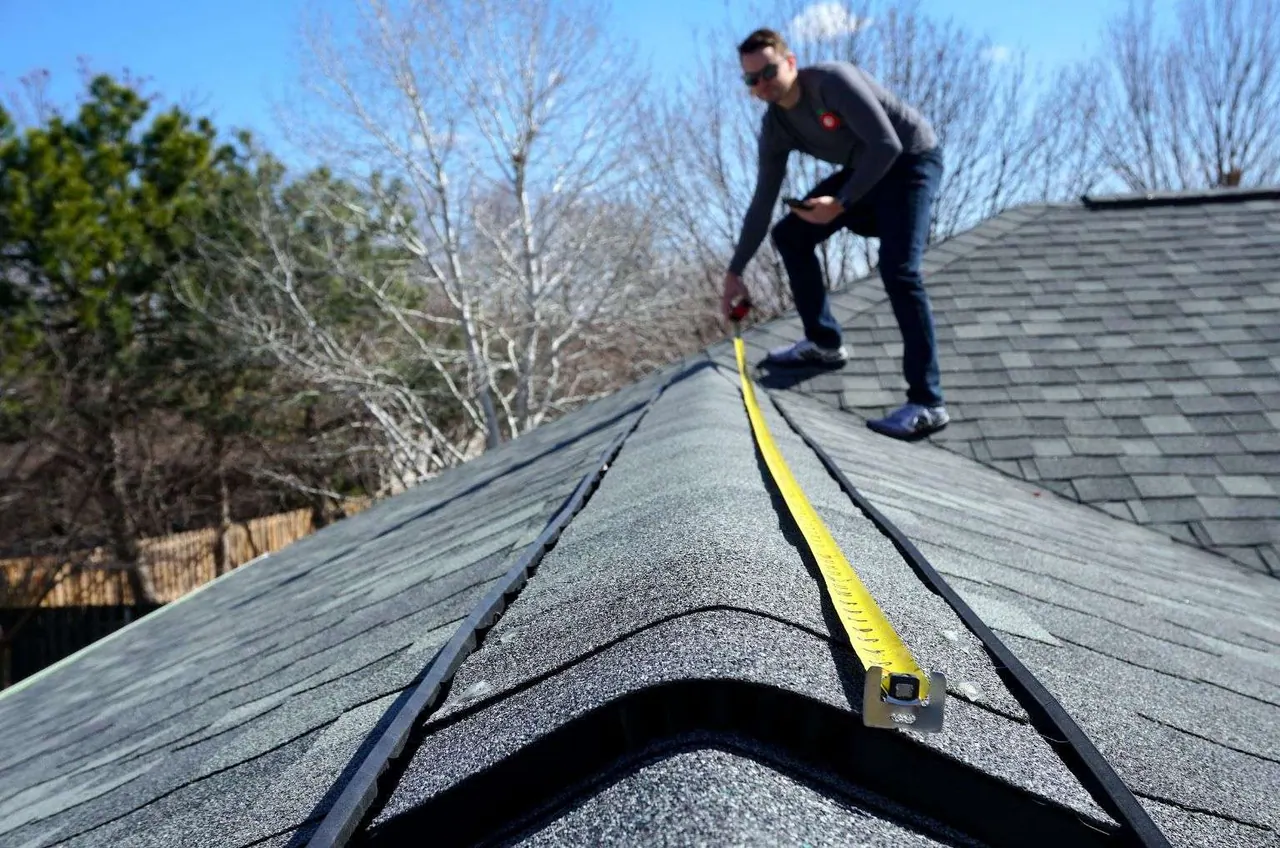
Quick answerValley Center homeowners should prepare roofs for spring storms by completing a systematic inspection of shingles, gutters, flashing, attic condition, and nearby trees before April, when the Wichita area’s severe weather frequency increases significantly. The goal is to identify and correct any vulnerability that could allow water entry during a heavy rain event or suffer additional damage from hail or wind impact.
Spring in the Valley Center, KS area brings a sharp uptick in severe weather risk. The community sits northeast of Wichita in a part of Sedgwick County that receives direct exposure to the same corridor of thunderstorms, hail, and strong winds that affect the entire metro. Preparing a roof before storm season rather than reacting to damage afterward is the most financially sound approach for homeowners in this area. This guide covers the specific steps Valley Center homeowners should take each spring, the roof components most likely to fail during severe weather, how to document condition for insurance purposes, and when to call a professional versus handle maintenance items independently.
How Should Valley Center Homeowners Prepare Roofs for Spring Storms?
Valley Center homeowners should prepare roofs for spring storms by completing a systematic inspection of shingles, gutters, flashing, attic condition, and nearby trees before April, when the Wichita area’s severe weather frequency increases significantly. The goal is to identify and correct any vulnerability that could allow water entry during a heavy rain event or suffer additional damage from hail or wind impact. A roof that enters storm season with compromised flashing, clogged gutters, or lifted shingles is far more likely to sustain serious water damage than one that was properly assessed and maintained beforehand.
Worried about your roof?Wichita Roofing Pros will check it for free and explain what we find in plain words.Book a Free Inspection or call (316) 742-1900
What Are the Most Important Pre-Storm Roof Inspection Steps?
The most important pre-storm inspection steps for Valley Center homeowners cover six areas. Shingle condition should be assessed from the ground with binoculars or by hiring a professional to walk the surface. Look for cracked, curled, or missing shingles and areas of significant granule loss, which appear as bare darker patches. Flashing at all penetrations, including chimney, plumbing vents, and wall intersections, should be confirmed as seated flat and fully sealed. Gutters should be cleaned and confirmed to drain freely, with downspout extensions directing water at least four feet from the foundation. Soffit and fascia should show no signs of rot, gaps, or pest entry. Attic ventilation should be confirmed as unobstructed, since a blocked soffit vent traps heat and moisture that prematurely ages shingles from below. Any daylight visible through the roof deck from inside the attic is an immediate repair priority before the first spring storm. A Wichita Roofing Pros roof inspection covers all of these areas in a single visit and produces a written report homeowners can use for their insurance records.
A roof that enters storm season with compromised flashing, clogged gutters, or lifted shingles is far more likely to sustain serious water damage than one that was properly assessed and maintained beforehand.
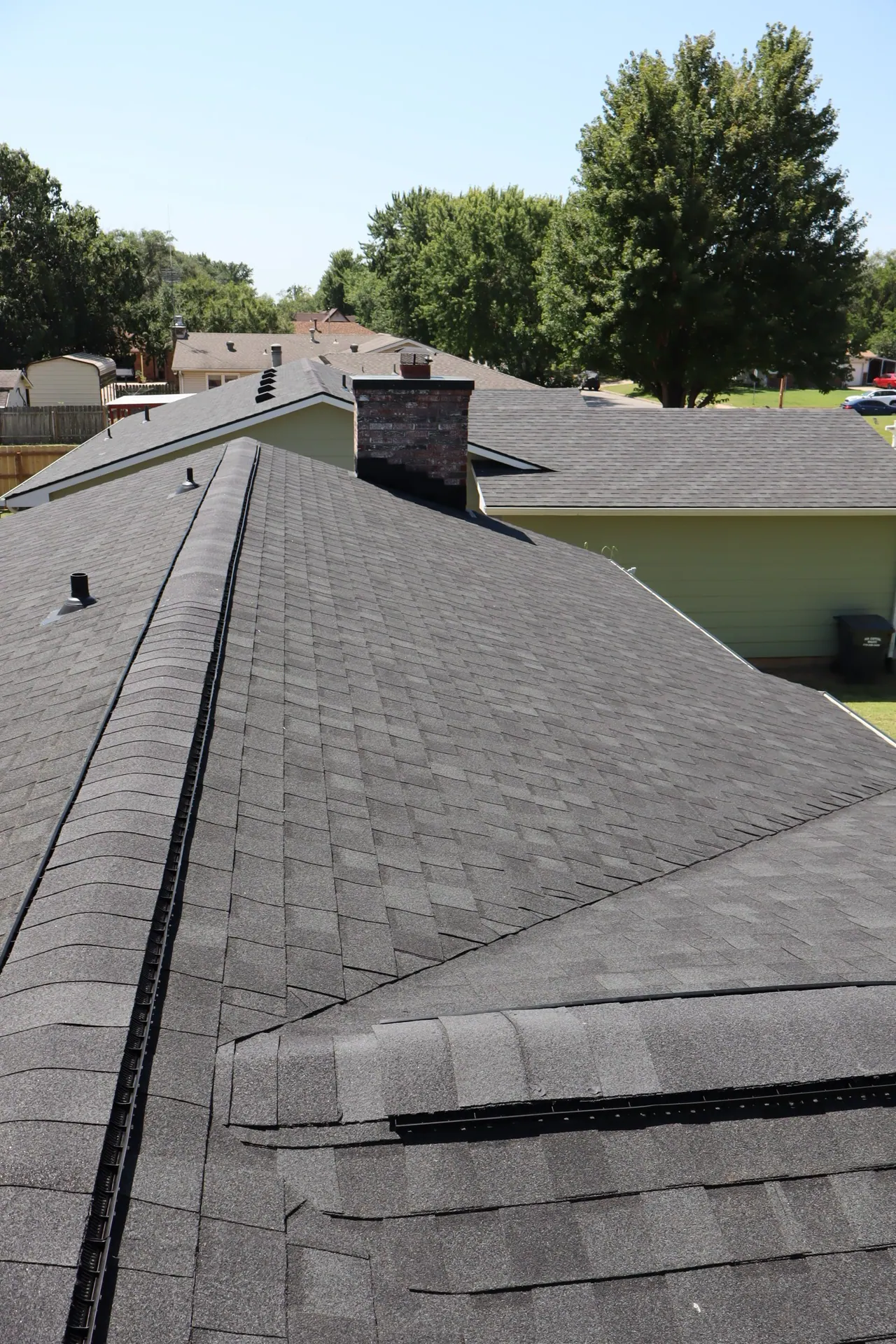
Top 7 Spring Roof Prep Tasks for Valley Center Homes
- Clean gutters and downspouts thoroughly: Late-winter debris, matted leaves, and seed pods clog gutters and prevent drainage during spring storms. Clean gutters direct water away from the fascia and foundation, reducing the risk of water intrusion at basement walls and fascia rot at the roofline.
- Inspect and reseal all flashing: Chimney flashing, step flashing at wall intersections, and pipe boot seals are the most common water entry points on aging Valley Center roofs. Reseal any lifted edges with roofing caulk or replace cracked rubber boots before the first heavy spring rain event.
- Remove overhanging tree branches: Branches within six feet of the roof surface abrade shingles during high-wind events and create impact risk during storms. Cut back any branch that could break and strike the roof, and complete tree trimming before April if possible.
- Check attic for moisture and ventilation status: Before outdoor temperatures rise, enter the attic and look for staining, mold, or condensation on the sheathing. Confirm that soffit vents are not blocked by insulation pushed against the eave from the interior side.
- Document current roof condition with dated photos: Take photographs of all roof elevations and existing wear areas before storm season. Store these in a cloud folder with date metadata. If a spring storm causes damage, before-and-after documentation significantly strengthens an insurance claim.
- Address lifted or missing shingles from the previous winter: Kansas winter winds can lift shingle tabs without causing the visible damage that prompts an immediate call. These small vulnerabilities allow water entry during the first heavy spring rain if they are not corrected before storm season.
- Inspect ridge cap and hip shingles: Ridge cap shingles take the most direct wind exposure on the roof. Confirm that none are cracked, lifted, or missing, since ridge failure allows water to enter the peak of the roof deck, which is the most difficult area to dry out once saturated.
How Does Hail Typically Damage Valley Center Roofs?
Hail damage on Valley Center roofs follows a consistent pattern. Direct impacts from large hailstones cause what inspectors call bruising, where the granule surface is displaced and the underlying asphalt mat is compressed or cracked. Smaller but numerous hailstones can strip granules from a large area of shingles without leaving obvious dents that are visible from the ground, making the damage easy to miss without a professional walking the surface. Granule loss removes the UV protection layer from the shingle, accelerating weathering and shortening effective roof life by several years per moderate hail event. The NOAA National Weather Service Wichita storm reports provide historical data on hail frequency and recorded stone sizes in the Valley Center and Sedgwick County area, reinforcing why annual post-storm assessments are a standard part of responsible roof management in this region.
What Should Valley Center Homeowners Do Immediately After a Spring Storm?
In the hours after a significant spring storm, Valley Center homeowners should walk the perimeter of the home and look for obvious damage indicators. For homeowners who need prompt storm damage assessment and repair, the Wichita Roofing Pros roof repair services page outlines emergency response options available throughout Sedgwick County. Immediate steps include checking for: granules in gutters or on the ground beneath downspouts, dented aluminum gutters or fascia, cracked or displaced shingles visible from the ground, and any fresh water staining on interior ceilings or walls. Do not attempt to walk on a wet or steep roof surface. If hail was present, check skylights, painted metal surfaces such as ridge vents and chimney caps, and any exposed wood trim for impact marks. Have a professional inspection completed before contacting your insurance company so you have an independent damage assessment to bring to the claim conversation. Residential Roofing in Valley Center from Wichita Roofing Pros includes storm response inspections and documentation support for homeowners handling the claims process after an event.
How Should Homeowners in Valley Center Document Roof Damage for Insurance?
Insurance documentation for storm damage starts before the storm. Homeowners who have pre-storm photographs showing the intact condition of their roof, gutters, and exterior have a meaningful advantage when an adjuster evaluates damage. After a storm, take photos from ground level of all roof elevations and any areas of obvious damage, noting the date, time, and nature of the weather event. Request a written inspection report from your roofing contractor that includes photographs, a description of damage found, and an itemized scope of recommended repairs or replacement. The Kansas Department of Insurance storm claim data provides context on how storm-related roof claims are processed across the state, which can help homeowners understand what documentation typically supports a successful settlement. The Valley Center roofing service area team is available for post-storm inspections throughout the spring and summer storm season.
What Are the Most Storm-Vulnerable Roof Areas on Valley Center Homes?
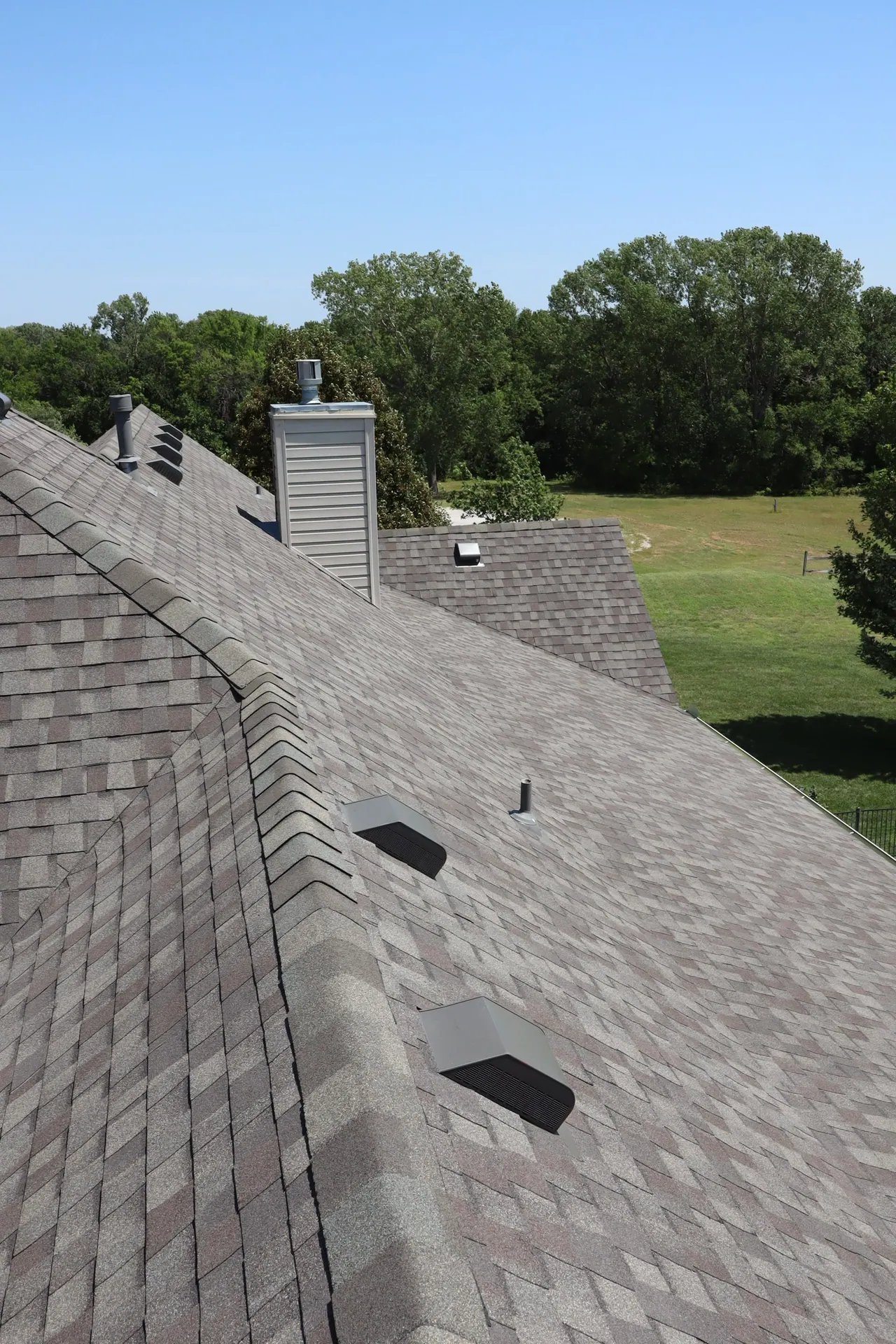
Certain areas of a residential roof consistently show damage first during severe weather in Valley Center. The ridge line takes the most direct wind exposure and is where shingles first lift during high-speed gusts. Roof valleys concentrate water flow and experience the most granule wear from rain impact over time. Pipe boots and other small penetration flashings are frequent failure points because the rubber degrades from UV exposure and loses its seal against the pipe shaft. The eave edge, particularly the first course of shingles and the drip edge beneath, is the first line of defense against wind-driven rain and is vulnerable when fastener patterns are insufficient or when shingles have reached the end of their adhesive lifespan. Any area where two roof planes meet at a vertical wall, called a step flashing zone, is another common water entry point when the metal step flashings have lifted or corroded. Addressing these specific zones during pre-storm preparation gives Valley Center homeowners the best protection against the damage patterns most common in the Wichita metro area.
Why storm damage is different in Valley Center
Wichita sits in one of the most active hail corridors in the country, and spring and early-summer storms can bring hail, straight-line wind and heavy rain in the same afternoon. Damage is often uneven: one slope can take the hit while the opposite side looks untouched, which is why a ground-level look is rarely enough.
For homes and businesses in Valley Center, Wichita Roofing Pros provides free inspections from our office at 1809 S Hoover Rd in Wichita. See our Valley Center roofing page for local details.
Hail size and what it usually means for a roof
Hail size is a useful first clue, but roof age, material and wind direction matter just as much. Use this as a rough guide only, then have the roof checked.
| Reported hail size | Common comparison | What we often check for |
|---|---|---|
| Under 1" | Pea to quarter | Granule loss, soft-metal dents, aging shingles |
| 1"–1.75" | Quarter to golf ball | Bruised or cracked shingles, damaged vents and gutters |
| 2" and up | Hen egg and larger | Fractured shingles, punctures, decking and skylight damage |
What to do in the first 48 hours after a storm
A calm, simple order of operations keeps your family safe and protects any future claim.
- Stay safe. Stay off the roof and away from downed lines.
- Stop active water. Move belongings, catch drips and call for emergency tarping if water is coming in.
- Take photos. Date-stamped photos from the ground, plus any interior stains.
- Schedule a free inspection. We document roof-level damage with photos.
- Call your insurer if damage is found. Your insurance company decides coverage; we can meet the adjuster.
Common mistakes after a hail storm
- Waiting until a leak appears before getting an inspection
- Signing with a door-to-door contractor before checking Kansas roofing registration
- Climbing onto a wet or damaged roof
- Throwing away damaged gutters or vents before they are photographed
- Assuming no visible damage from the ground means no damage
How storm repairs are usually paid for
If your policy covers the event, your insurer pays according to your policy after the deductible. If damage is minor or not covered, a targeted repair may be the most cost-effective fix. We put the scope and price in writing either way, and financing is available for qualifying projects.
From our work: Brick Ranch Roof Replacement
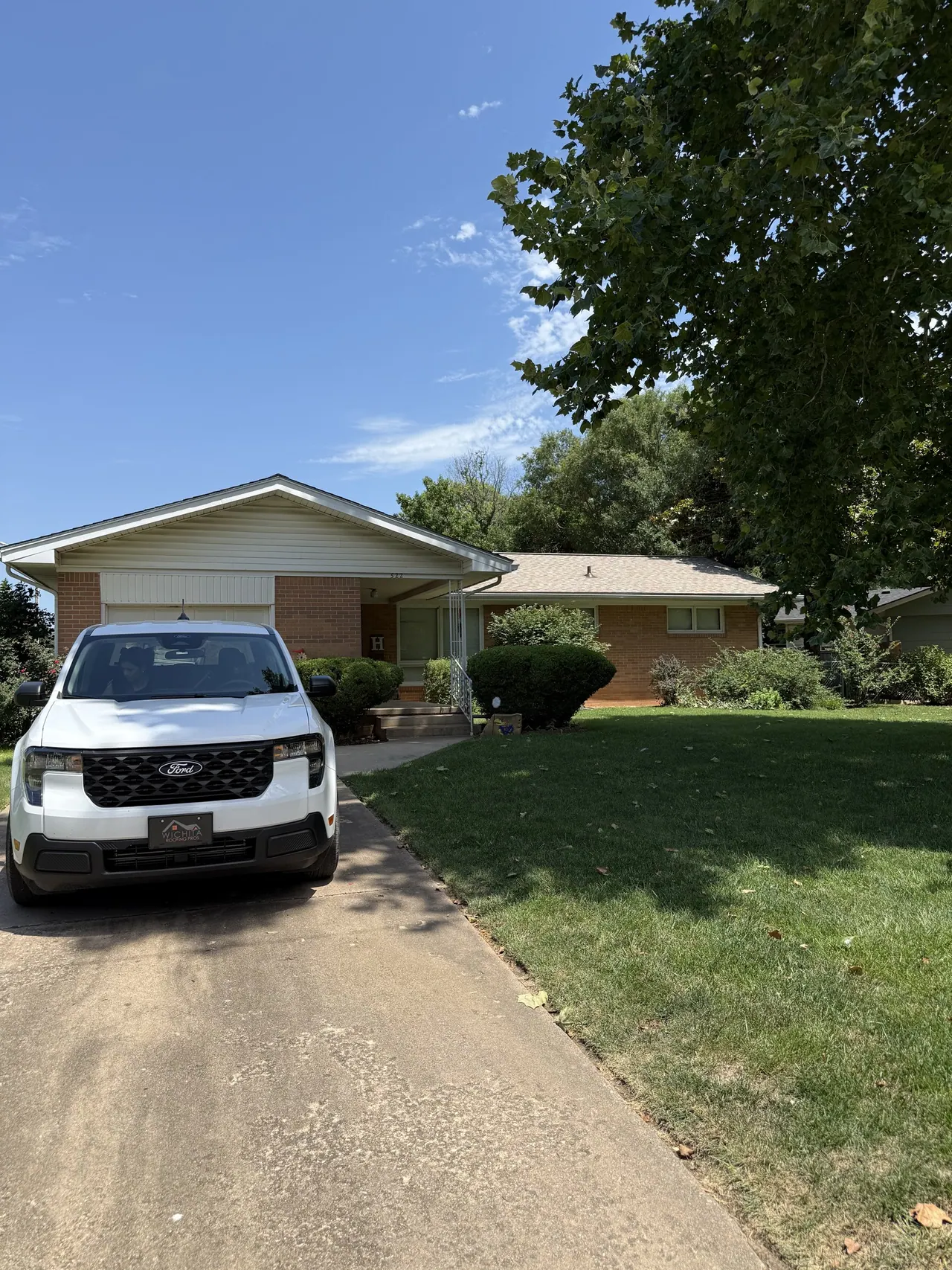
The original gray shingles on this brick ranch were weathered along the ridge and edges. The crew tore the roof off, installed new architectural shingles and a straight new ridge line, and the home was photographed again from the same spots after completion.
Watch: Drone view: crew installing shingles
How Should Valley Center Homeowners Prepare Roofs for Spring Storms? The honest answer depends on your roof’s age, material and the damage we can document. A free inspection from Wichita Roofing Pros gives you photos, a plain-English explanation and a written next step — with no obligation. Hablamos Español.
Schedule a Free Roof InspectionCall (316) 742-1900Frequently Asked Questions About Spring Storm Roof Preparation in Valley Center
How early in the year should Valley Center homeowners start roof prep?
March is the best time to complete spring roof preparation in Valley Center. The area’s severe weather frequency rises sharply in April and peaks through May and June. Beginning preparations in early March allows time for any repair work to be scheduled and completed before the highest-risk weeks. Roofing contractors tend to book up quickly once storm season begins, so early scheduling is a practical advantage beyond just the roof condition outcome.
Should I hire a roofer or can I inspect my own roof?
Homeowners can perform ground-level visual checks with binoculars and handle simple tasks like gutter cleaning. Walking on a residential roof safely requires fall protection equipment and experience with roof surface navigation. Most homeowners are better served by hiring a licensed contractor for the formal inspection, particularly since many area roofers offer free or low-cost spring inspections. A professional walks the entire surface, probes for soft deck spots, and assesses flashings and penetrations not visible from the ground.
What kind of damage does spring hail typically cause in Valley Center?
Spring hail in Valley Center most commonly causes granule displacement on asphalt shingles, denting of aluminum gutters and vent caps, and cracking of older shingles that have become brittle from years of UV exposure. Hailstones larger than one inch in diameter can crack shingles outright or bruise them severely enough that structural integrity is compromised even when no visible hole exists. Functional hail damage that affects the shingle’s ability to shed water typically triggers insurance replacement eligibility, distinct from purely cosmetic impact marks.
Does roof age affect how much spring preparation is needed?
Yes, significantly. A newer roof under five years old in good condition requires primarily gutter cleaning, flashing checks, and post-storm monitoring. A roof between 10 and 20 years old should receive a professional inspection every spring because materials are aging and vulnerabilities that were minor in previous years may become water entry points after a significant storm. Roofs over 20 years old should be evaluated for remaining service life at the start of each storm season so the homeowner can plan proactively rather than react under pressure after a storm event.
Will a roofer come out for free after a storm in Valley Center?
Most licensed roofing contractors serving Valley Center provide free post-storm inspections for residential properties, particularly during periods of widespread weather activity across Sedgwick County. These inspections allow contractors to assess damage and provide estimates as part of the normal business process. Be cautious of contractors who arrive unsolicited immediately after a storm and request signatures or upfront payment before any inspection is completed. Work with a licensed, locally established contractor who provides a written report before any commitment to work is made.
What if only one side of my roof was hit?
That is common with wind-driven hail. We inspect every slope and explain whether repair or replacement makes more sense.
Should I get impact-resistant shingles after a storm?
They are worth considering in Wichita. Ask your insurer whether a Class 4 shingle affects your premium before you choose.
How soon after a hail storm should I get my roof inspected?
As soon as it is safe, ideally within days. Early documentation helps both repairs and claims, and many policies have time limits for reporting damage.




