
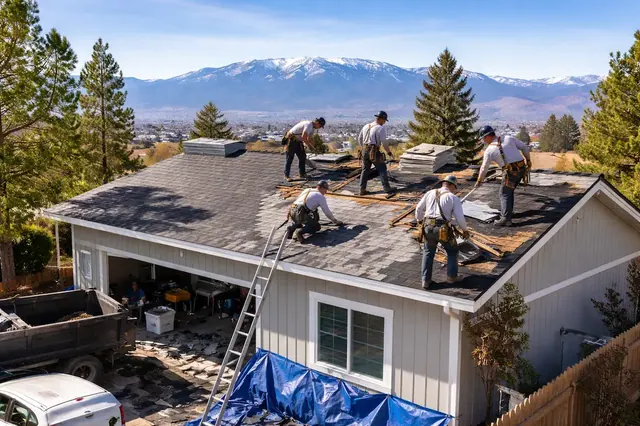
Quick answerInsurance claim roof replacement refers to replacing a damaged roofing system using funds provided through a homeowner’s insurance policy after a covered loss.
A damaged roof can be one of the most stressful and expensive problems a homeowner faces. Whether caused by hail, high winds, heavy rain, or falling debris, roofing damage often requires immediate attention to prevent leaks, structural deterioration, and further property damage. Fortunately, many homeowners insurance policies provide coverage for roof replacement when damage results from covered events.
Understanding the insurance claim roof replacement process can help homeowners navigate repairs more confidently, maximize available benefits, and avoid unnecessary out-of-pocket expenses. Knowing what to expect before filing a claim can make the process smoother and increase the likelihood of a successful outcome.
Worried about your roof?Wichita Roofing Pros will check it for free and explain what we find in plain words.Book a Free Inspection or call (316) 742-1900
If your roof has recently been impacted by severe weather, here’s what you need to know about insurance-covered roof replacement and how it can protect both your home and your finances.
What Is Insurance Claim Roof Replacement?
Insurance claim roof replacement refers to replacing a damaged roofing system using funds provided through a homeowner’s insurance policy after a covered loss.
Most policies may cover roof replacement when damage is caused by:
- Hailstorms
- Windstorms
- Tornadoes
- Falling trees
- Fire damage
- Severe weather events
Coverage details vary depending on the policy, age of the roof, and specific circumstances surrounding the damage.
Why Roof Damage Should Never Be Ignored
Many homeowners delay repairs because damage appears minor from the ground.
Unfortunately, even small roofing issues can lead to serious consequences.
Water Intrusion
Damaged roofing materials allow moisture to enter the home.
Potential effects include:
- Ceiling stains
- Drywall damage
- Insulation deterioration
- Mold growth
Structural Damage
Prolonged water exposure can weaken:
- Roof decking
- Rafters
- Support beams
Increased Repair Costs
Minor issues often become major repairs when left unresolved.
Prompt action helps minimize both damage and expenses.
Knowing what to expect before filing a claim can make the process smoother and increase the likelihood of a successful outcome.
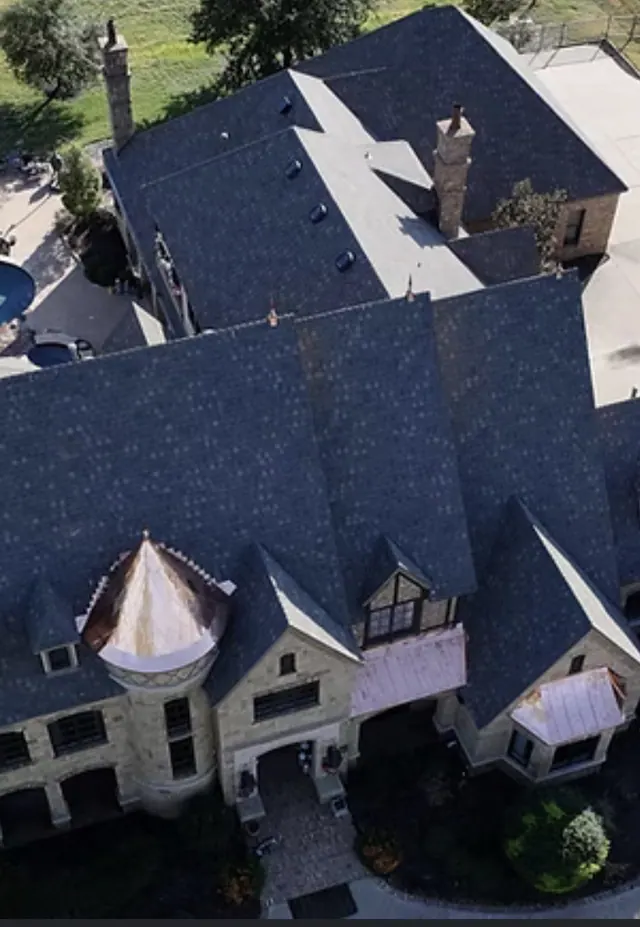
Common Types of Storm Damage Covered by Insurance
Different weather events can affect roofing systems in unique ways.
Hail Damage
Hail is one of the most common causes of insurance roof claims.
Damage may include:
- Cracked shingles
- Granule loss
- Dents in flashing
- Vent damage
- Skylight damage
Even if leaks are not immediately visible, hail can significantly shorten roof lifespan.
Wind Damage
Strong winds can lift or remove shingles entirely.
Signs of wind damage include:
- Missing shingles
- Creased shingles
- Exposed roofing underlayment
- Damaged flashing
Falling Debris
Storms often cause tree limbs and debris to impact roofing systems.
This can result in:
- Punctures
- Structural damage
- Broken shingles
- Water intrusion
Heavy Rain Events
Severe rainstorms can expose weaknesses within an aging or compromised roof.
Professional inspections help identify hidden damage before it worsens.
Signs You May Need a Roof Replacement
Not every damaged roof requires full replacement.
However, certain conditions often justify a complete roofing system upgrade.
Extensive Shingle Damage
Large areas of missing or damaged shingles may indicate widespread issues.
Multiple Leaks
Recurring leaks often signal deeper roofing failures.
Aging Roof Materials
Older roofs may no longer provide adequate protection after a storm.
Structural Concerns
Damage affecting decking or support structures frequently requires replacement rather than repair.
A professional roofing assessment can determine the most appropriate solution.
The Importance of a Professional Roof Inspection
Before filing an insurance claim, scheduling a professional inspection is highly recommended.
A thorough inspection helps:
- Identify visible damage
- Detect hidden issues
- Document storm impacts
- Estimate repair costs
- Support insurance claims
Experienced roofing contractors know what adjusters look for and can provide detailed documentation.
Inspection Documentation May Include:
- Photographs
- Damage reports
- Material assessments
- Replacement recommendations
Accurate documentation strengthens your claim and helps prevent disputes.
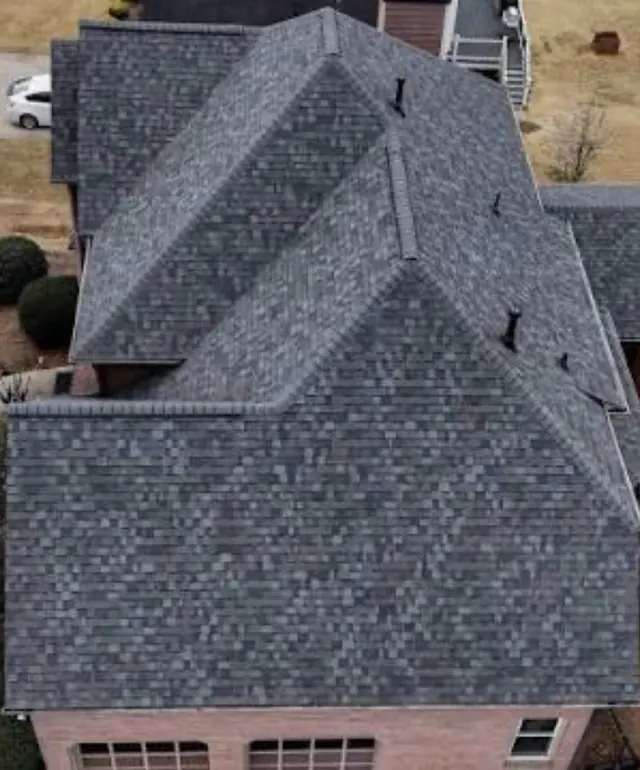
Understanding the Insurance Claim Process
Many homeowners feel overwhelmed by insurance paperwork and procedures.
Breaking the process into manageable steps can make it easier.
Step 1: Assess the Damage
After a storm, inspect your property from a safe distance.
Look for:
- Missing shingles
- Debris impacts
- Visible roof damage
- Interior leaks
Avoid climbing onto the roof yourself.
Step 2: Contact a Roofing Professional
A professional inspection provides valuable documentation and repair recommendations.
Step 3: Notify Your Insurance Company
Report the damage promptly and begin the claims process.
Provide:
- Date of loss
- Description of damage
- Inspection reports
- Photographs
Step 4: Meet With the Insurance Adjuster
The insurance company will typically send an adjuster to evaluate the property.
The adjuster determines:
- Cause of damage
- Extent of loss
- Coverage eligibility
Step 5: Review the Settlement Offer
Carefully review the insurance estimate and compare it with contractor recommendations.
Step 6: Schedule Roof Replacement
Once approved, replacement work can begin.
Professional contractors coordinate the project and ensure compliance with local building codes.
Actual Cash Value vs. Replacement Cost Coverage
Understanding your policy type is essential.
Actual Cash Value (ACV)
ACV policies consider depreciation.
Homeowners may receive payment based on the roof’s current value rather than replacement cost.
Replacement Cost Value (RCV)
RCV policies typically provide coverage for the full replacement cost, minus deductibles and policy limitations.
Reviewing your policy helps clarify potential reimbursement amounts.
Benefits of Roof Replacement Through Insurance
Insurance-covered roof replacement provides significant advantages.
Financial Protection
Coverage helps reduce unexpected expenses after severe weather events.
Improved Home Safety
New roofing systems provide better protection against future storms.
Increased Energy Efficiency
Modern roofing materials often offer improved insulation and ventilation.
Enhanced Property Value
A new roof can increase buyer confidence and improve resale potential.
Greater Peace of Mind
Knowing your home is properly protected provides long-term reassurance.
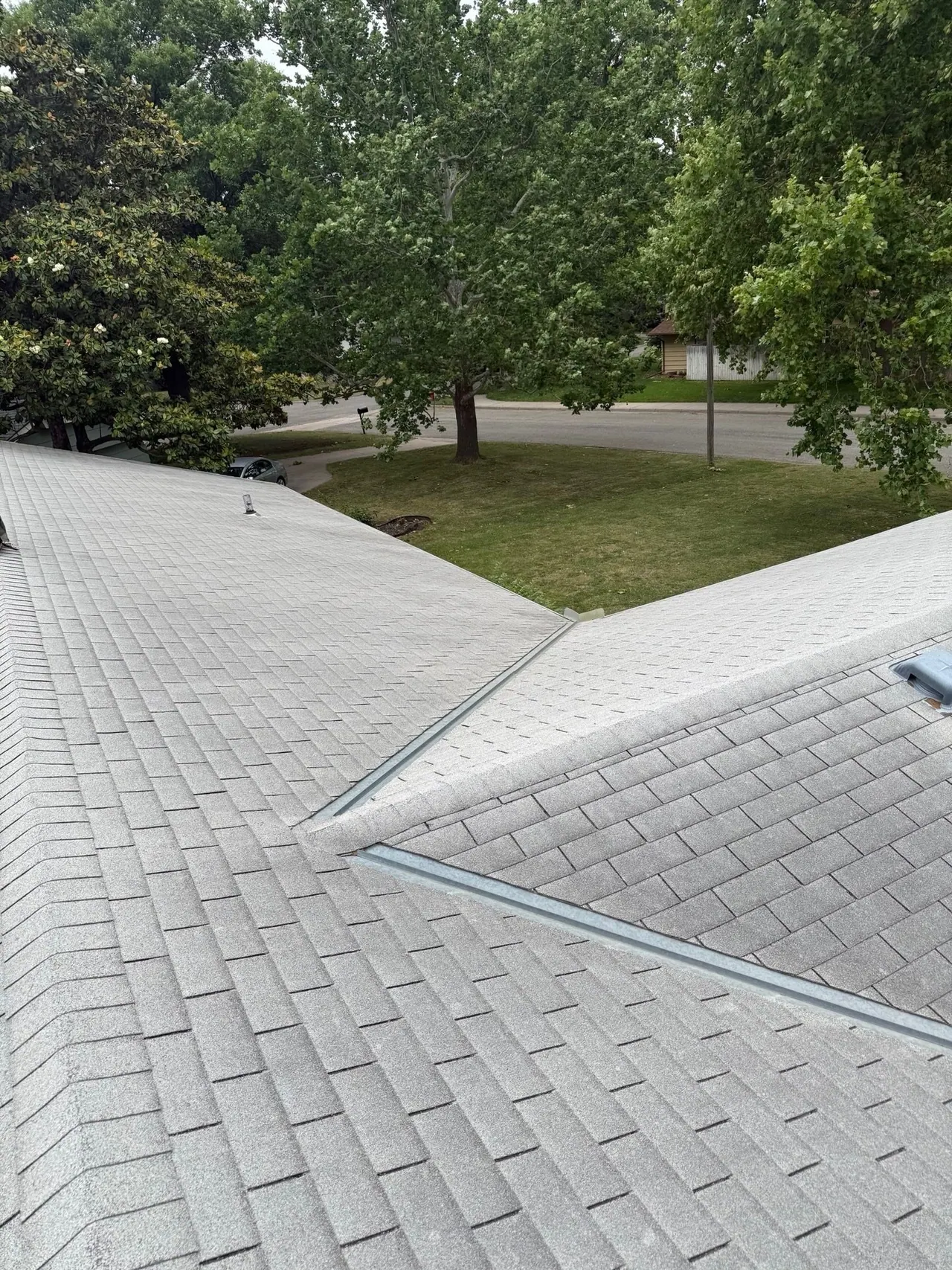
How to Avoid Insurance Claim Mistakes
Certain mistakes can complicate the claims process.
Delaying the Claim
Waiting too long may result in denied coverage.
Inadequate Documentation
Detailed photographs and inspection reports are essential.
Accepting the First Estimate Without Review
Always compare insurance estimates with professional contractor evaluations.
Ignoring Small Damage
Minor storm damage often worsens over time.
Prompt inspections help prevent larger problems.
Choosing the Right Roofing Contractor
Selecting an experienced contractor is critical to a successful roof replacement project.
Look for professionals who offer:
- Licensed and insured services
- Storm damage expertise
- Insurance claim experience
- Detailed inspections
- Strong local reputation
- Quality workmanship warranties
Experienced contractors help ensure repairs meet both insurance requirements and building standards.
Modern Roofing Materials Offer Better Protection
Today’s roofing systems provide enhanced performance compared to older materials.
Popular options include:
Architectural Shingles
Known for durability and improved wind resistance.
Impact-Resistant Roofing
Designed to withstand hail and debris impacts.
Energy-Efficient Roofing Systems
Reflective materials help improve indoor comfort and reduce cooling costs.
Upgrading during replacement can provide long-term benefits beyond storm recovery.
Long-Term Value of a New Roof
Replacing a damaged roof does more than restore protection.
Homeowners often experience:
- Reduced maintenance costs
- Improved curb appeal
- Better weather resistance
- Enhanced energy efficiency
- Increased home value
A professionally installed roof serves as a long-term investment in property protection.
Conclusion
Storm damage can compromise your home’s safety, comfort, and value, making prompt action essential. Understanding the insurance claim roof replacement process helps homeowners navigate repairs more efficiently while maximizing available coverage. From professional inspections and thorough documentation to working with experienced roofing contractors, every step plays a role in achieving a successful outcome. When severe weather strikes, replacing a damaged roof through insurance can protect your investment and provide lasting peace of mind. For expert guidance and quality roofing solutions, Wichita Roofing Pros helps homeowners restore their properties with confidence.
What a Sedgwick County storm season does to a roof
Repeated storms add up. A roof that came through one hail event with light bruising can start shedding granules, lifting tabs or leaking around flashing after the next round of wind. Documenting condition after each major storm gives you a clear timeline if you ever need to file a claim.
Storm damage checklist: what to look for from the ground for Wichita homeowners
You do not need to climb a ladder to spot the first clues. Walk the property in daylight and note anything on this list.
- Dents or dings on gutters, downspouts, vents and window wraps
- Granules collecting at downspout outlets or on driveways
- Missing, creased or lifted shingles, especially on the windward side
- Dented AC condenser fins or damaged patio furniture
- Cracked or split siding and damaged window screens
- New water stains on ceilings or walls after the storm
- Debris or tree limbs resting on the roof
- Shingle pieces in the yard
What to do in the first 48 hours after a storm
A calm, simple order of operations keeps your family safe and protects any future claim.
- Stay safe. Stay off the roof and away from downed lines.
- Stop active water. Move belongings, catch drips and call for emergency tarping if water is coming in.
- Take photos. Date-stamped photos from the ground, plus any interior stains.
- Schedule a free inspection. We document roof-level damage with photos.
- Call your insurer if damage is found. Your insurance company decides coverage; we can meet the adjuster.
Common mistakes after a hail storm
- Waiting until a leak appears before getting an inspection
- Signing with a door-to-door contractor before checking Kansas roofing registration
- Climbing onto a wet or damaged roof
- Throwing away damaged gutters or vents before they are photographed
- Assuming no visible damage from the ground means no damage
How storm repairs are usually paid for
If your policy covers the event, your insurer pays according to your policy after the deductible. If damage is minor or not covered, a targeted repair may be the most cost-effective fix. We put the scope and price in writing either way, and financing is available for qualifying projects.
From our work: Brick Ranch Roof Replacement
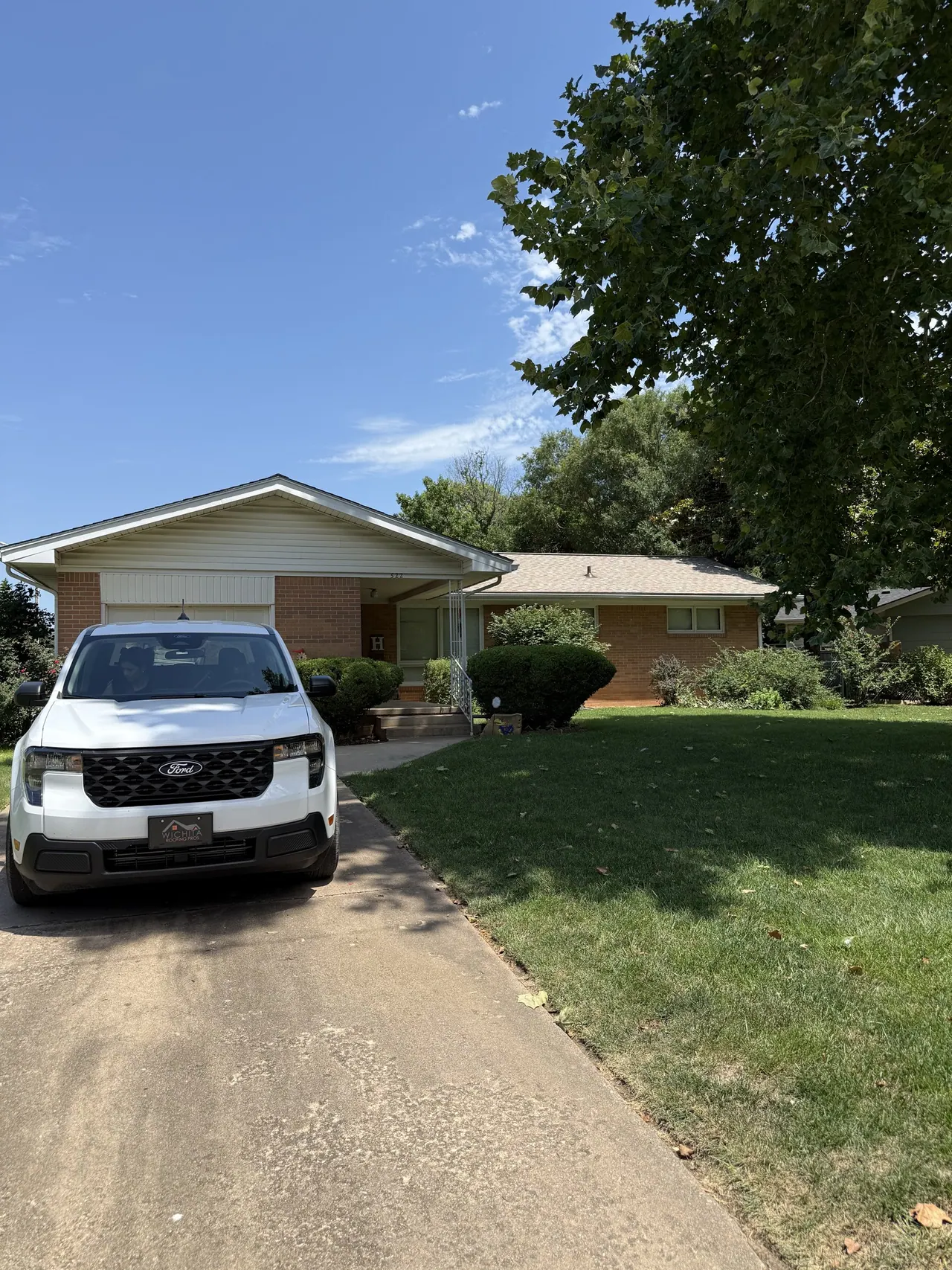
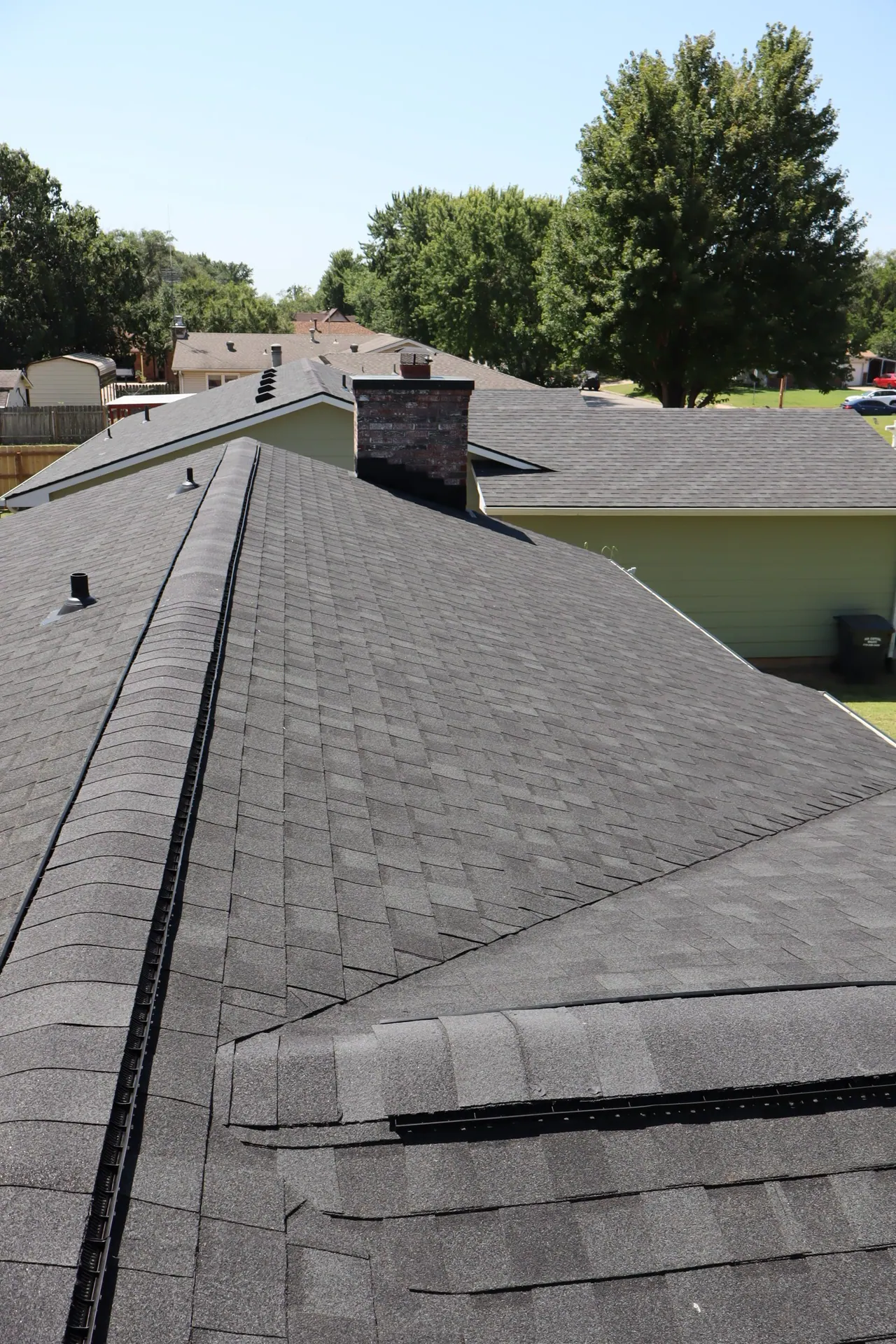
The original gray shingles on this brick ranch were weathered along the ridge and edges. The crew tore the roof off, installed new architectural shingles and a straight new ridge line, and the home was photographed again from the same spots after completion.
Watch: Drone view: crew installing shingles
How Insurance Claim Roof Replacement Can Save Homeowners Thousands After Storm Damage? The honest answer depends on your roof’s age, material and the damage we can document. A free inspection from Wichita Roofing Pros gives you photos, a plain-English explanation and a written next step — with no obligation. Hablamos Español.
Schedule a Free Roof InspectionCall (316) 742-1900Frequently Asked Questions
1. Does homeowners insurance cover roof replacement?
Most homeowners insurance policies cover roof replacement when damage results from covered events such as hail, wind, or falling debris.
2. How do I know if my roof qualifies for an insurance claim?
A professional roof inspection can determine whether storm damage is present and if a claim may be justified.
3. Should I contact a roofer or insurance company first?
Many homeowners benefit from scheduling a professional inspection first to document damage before contacting their insurer.
4. What is the difference between repair and replacement?
Repairs address localized damage, while replacement involves installing a new roofing system when damage is extensive.
5. How long does the insurance claim process take?
Timelines vary depending on claim complexity, inspections, and insurance company procedures, but prompt documentation can help speed the process.
Can hail damage a roof without causing a leak?
Yes. Hail can bruise shingles and knock off granules without an immediate leak. The damage often shows up later as premature aging or leaks.
Do you work with my insurance company?
We can document damage and meet your adjuster. Your insurance company decides what is covered under your policy.
Is a storm inspection really free?
Yes. Wichita Roofing Pros provides free, no-obligation roof inspections. Call (316) 742-1900.




