
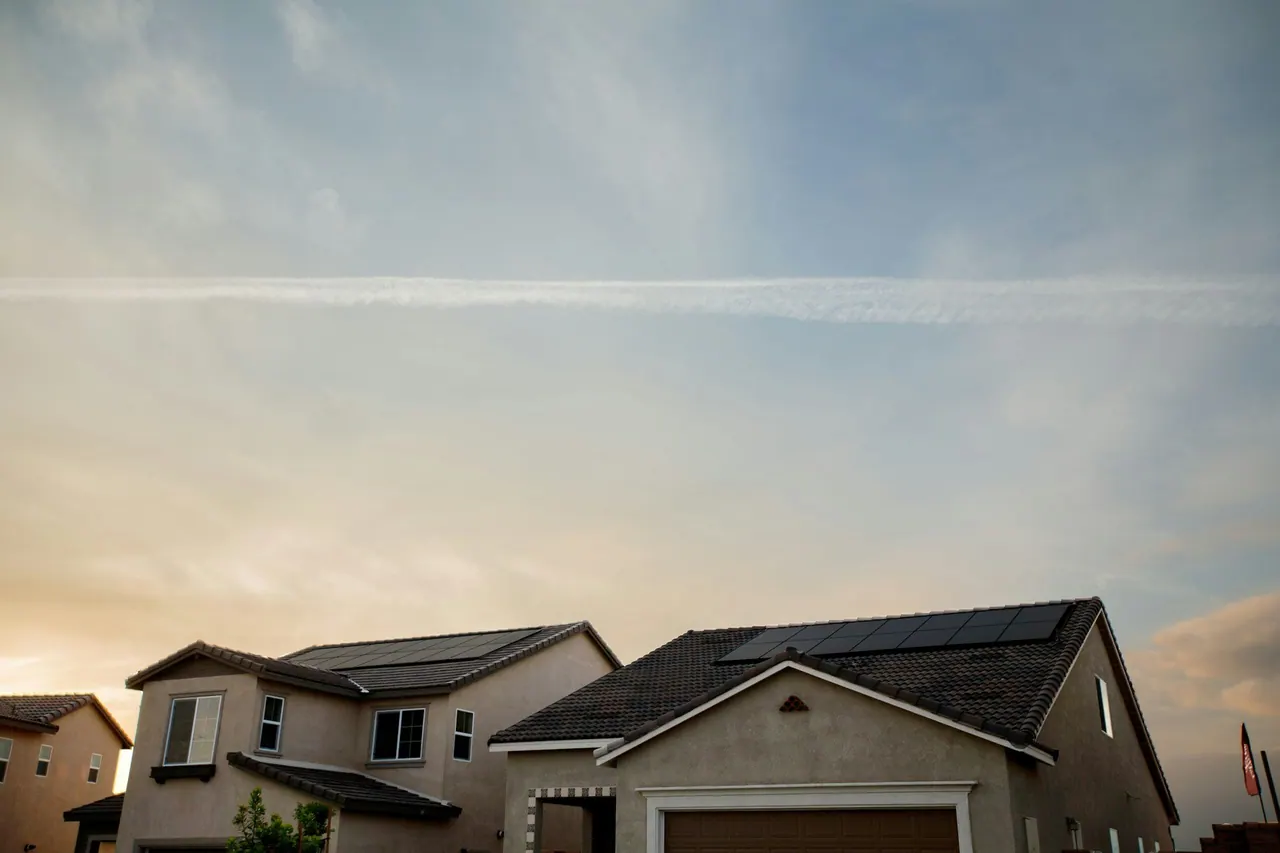
Quick answerIce dam roof damage in Wichita KS begins when the upper portions of a roof deck are warmer than the eave edges. On a home with insufficient attic insulation or poor ventilation, heat escaping from the living space warms the roof deck from below.
Ice dams are not just a problem for Minnesota or Colorado — Wichita homeowners deal with ice dam roof damage after the freeze-thaw weather cycles that roll through south-central Kansas every winter. Sedgwick County typically sees multiple events each January and February where temperatures drop well below freezing, then climb above 32°F within 24 to 48 hours. That cycle melts accumulated snow on rooftops, allows meltwater to run toward the cold eaves, and then refreezes before it can drain off the edge. Understanding how this process damages roofs, how to recognize the early warning signs, and what repairs it typically requires helps Wichita homeowners act before spring storms reveal the full extent of hidden damage.
What Is an Ice Dam and How Does It Form on Wichita Roofs?
Ice dam roof damage in Wichita KS begins when the upper portions of a roof deck are warmer than the eave edges. On a home with insufficient attic insulation or poor ventilation, heat escaping from the living space warms the roof deck from below. Snow on that warm upper surface melts and flows down the slope toward the eaves. When the meltwater reaches the eaves — which extend beyond the exterior wall and receive no warming from the living space below — it refreezes and forms a ridge of ice. As subsequent melt cycles add more liquid water behind that ridge, a pool accumulates on top of the dam. That pooled water sits under hydrostatic pressure and can work its way beneath shingles and through any small gap in the underlayment, entering the attic or wall cavity where wood framing and insulation begin to absorb the moisture. The National Weather Service Wichita office tracks the freeze-thaw cycles that create these conditions, and Wichita’s location in NOAA Climate Division 5 means these events occur regularly rather than as rare exceptions.
Worried about your roof?Wichita Roofing Pros will check it for free and explain what we find in plain words.Book a Free Inspection or call (316) 742-1900
What Damage Do Ice Dams Cause to Wichita Roofs?
The damage from ice dam events falls into several categories depending on severity and how long the dam remains in place. Shingle lifting is the most immediate physical damage: expanding ice wedges beneath shingle tabs, breaking the factory-applied sealant strips and leaving tabs loose or partially detached. Once tabs are unsealed and displaced, wind-driven rain during subsequent storms has direct access to the felt underlayment and decking beneath. Water that intrudes through the eave area can saturate attic insulation, reduce its effective R-value, and cause ceiling stains in the rooms directly below those eave zones. In more serious cases, repeated ice dam events across multiple seasons lead to decking rot at the eave section — a repair that requires removing shingles and underlayment back to sound wood, replacing the damaged OSB or plywood panels, and reinstalling with proper ice-and-water shield underlayment extending well past the interior wall line. Interior damage such as stained drywall, peeling paint on ceilings, and in severe cases mold growth in wall cavities between studs can also result if the intrusion goes undetected and unaddressed. Our Leak Detection and Repair in Wichita team regularly traces interior moisture damage back to ice dam events that occurred weeks or months prior without the homeowner connecting the two.
Understanding how this process damages roofs, how to recognize the early warning signs, and what repairs it typically requires helps Wichita homeowners act before spring storms reveal the full extent of hidden damage.
How Can Wichita Homeowners Tell If Ice Dams Have Damaged Their Roof?
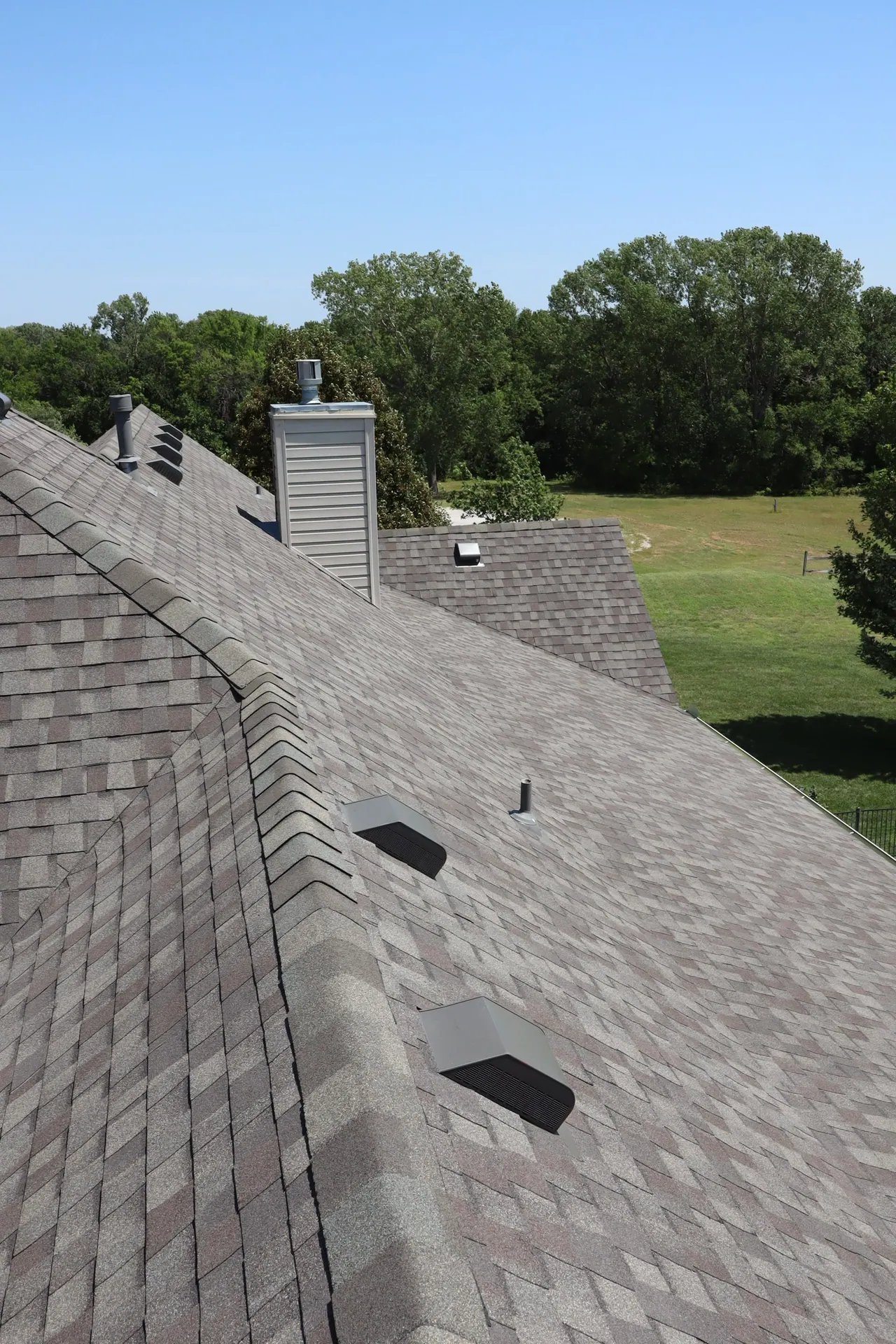
After a significant freeze-thaw sequence, Wichita homeowners should look for specific indicators from ground level and from inside the attic. From the ground, examine the eave line for shingles that appear raised, buckled, or displaced from the flat profile of adjacent tabs. Check gutters for unusual granule accumulation, which indicates shingle abrasion from ice contact along the surface. Gutters themselves may be bent, pulled away from the fascia board, or show visible ice staining along the inner face. Look for icicle formation patterns: icicles that form mid-roof rather than only at the eave edge can indicate meltwater backing up behind a dam rather than draining cleanly. From inside the attic after the weather warms, look for wet insulation near the eave edges, dark staining on the underside of the decking panels, or any daylight visible through small gaps where dam pressure has worked beneath the roofing system. Interior ceiling stains that appear during late winter without a concurrent active rainfall event are a consistent indicator of ice dam intrusion. Any of these findings warrants a professional inspection through our Free Roof Inspection in Wichita to assess the full extent before spring rains compound the existing damage.
What Repairs Does Ice Dam Damage Typically Require in Wichita?
Repair scope depends on how deeply the ice dam event penetrated the roof system and how long the moisture was present. Minor cases where only a few shingle tabs were lifted and no water reached the decking can often be addressed by resealing or replacing the affected shingles and adding roofing cement at the most vulnerable eave-edge locations. Moderate cases with wet or compressed insulation require removing and replacing the saturated insulation batts, allowing the decking to dry fully, and then repairing the shingle tabs. Severe cases with softened or discolored decking require full eave section reconstruction: removing shingles and flashing back to sound structural wood, replacing damaged decking panels, installing a proper ice-and-water shield underlayment extending at least 24 inches past the interior wall line per current code requirements, and then re-shingling over the new underlayment. The FEMA publication on cold-climate roof damage — available through the FEMA website — documents best practices for eave protection that Wichita contractors follow when rebuilding damaged sections. Our Roof Repair in Wichita team scopes each repair based on actual decking condition found during inspection rather than surface appearance assumptions.
How Can Wichita Homeowners Prevent Ice Dam Damage in Future Winters?
Prevention targets the root cause rather than the symptom of ice dam formation. The core structural fix is eliminating the temperature differential between the upper roof deck and the eave overhangs by improving attic insulation and ventilation together as a system. Adding insulation to the attic floor prevents heat from escaping the living space and warming the decking from below. Improving ventilation — particularly intake at the soffits and exhaust at the ridge — keeps the entire attic closer to outdoor temperature so the roof deck stays uniformly cold during a snowfall rather than warm in the center and cold at the edges. Secondary prevention measures include installing a continuous ice-and-water shield underlayment on the lower three to six feet of the roof during any re-roofing project, which provides a redundant sealed barrier even if a small ice dam forms at the eave edge and backs water up beneath the shingles. Ensuring gutters are clear before the winter season and properly pitched to drain allows meltwater to exit the system before it has opportunity to refreeze. Checking that gutters are securely fastened and free of debris before the first freeze of the season adds another layer of protection by ensuring meltwater has a clear path away from the eave edge rather than pooling at the roofline. Homeowners in Wichita-area subdivisions built before 1980, when attic insulation requirements were significantly lower than current code, should pay particular attention to their attic insulation depth because those homes are the most likely to produce the warm-deck conditions that drive ice dam formation in Sedgwick County winters. Our Residential Roofing in Wichita team incorporates ice-and-water shield as standard practice in the eave zone on every complete replacement project.
Does Homeowner Insurance Cover Ice Dam Roof Damage in Wichita?
Ice dam damage is generally treated as a sudden and accidental event under standard homeowner insurance policies, which means it is often covered — but with important caveats that affect Wichita claims specifically. Insurers in Kansas will typically deny claims if they determine the damage resulted from long-term neglect, such as deferred maintenance on attic insulation or ventilation systems that created chronic ice dam conditions over multiple seasons. A single storm event with a clear meteorological record is far more likely to receive coverage than recurring damage that the adjuster characterizes as a maintenance failure pattern. Documenting the specific weather event — including freeze-thaw temperature records from official sources — strengthens any claim significantly and provides context that distinguishes a storm event from normal weathering. After any ice-related event that produces visible damage, scheduling a professional inspection promptly creates a contemporaneous damage record that is valuable if an insurance adjuster later reviews the scope or contests timing. Contact our Wichita roofing team to get a documented assessment suitable for insurance review and claim support.
Why Wichita roofs leak where they do
Most leaks we find around Wichita start at transitions, not in the middle of a slope: pipe boots, chimney and wall flashing, valleys, skylights and roof edges. Wind-driven rain and freeze-thaw cycles push water into small gaps that stay dry in a gentle shower.
Leak warning signs inside and outside your home
Water travels before it shows up, so the stain is rarely right under the problem. Watch for these signs.
- Brown rings or bubbling paint on ceilings
- Damp or musty smell in the attic
- Daylight visible through attic boards
- Dark streaks on rafters or decking
- Cracked or lifted pipe boots
- Rusted or loose flashing at chimneys and walls
- Shingles that feel soft underfoot (reported by a pro)
- Peeling exterior paint near roof edges
Common leak sources and typical fixes
Every roof is different, but these are the patterns we see most often.
| Leak source | What it looks like | Typical fix |
|---|---|---|
| Pipe boot | Stain near a bathroom or kitchen vent | Replace the boot and reseal |
| Chimney or wall flashing | Stain on a wall or near the chimney | Reflash or counter-flash |
| Valley | Stain where two roof planes meet | Repair valley shingles or metal |
| Skylight | Drips around the frame | Reflash or replace the skylight curb |
| Worn field shingles | Multiple stains, granule loss | Section repair or replacement |
Leak repair mistakes that cost more later
- Caulking over a leak without finding the source
- Painting over a ceiling stain
- Ignoring a drip that only appears in heavy storms
- Replacing drywall before the roof is fixed
- Skipping an attic check for wet insulation
What affects the cost of a leak repair
Price depends on the source, roof access and pitch, the material, and whether decking or insulation got wet. A pipe-boot or flashing repair is very different from a repair that needs decking replaced. You get the scope and price in writing after the inspection.
From our work: Wood Shake Leak Tarping

Dan tarps active leak spots on a wood shake roof while the homeowner’s insurance claim is underway, keeping interior damage from getting worse until the roof can be replaced.
How Do Ice Dams Affect Wichita Roofs After Freeze-Thaw Weather? The honest answer depends on your roof’s age, material and the damage we can document. A free inspection from Wichita Roofing Pros gives you photos, a plain-English explanation and a written next step — with no obligation. Hablamos Español.
Schedule a Free Roof InspectionCall (316) 742-1900Frequently Asked Questions About Ice Dam Roof Damage in Wichita KS
Does Wichita get ice dams every winter?
Not every winter produces significant ice dam events in Wichita, but most winters include at least one or two freeze-thaw cycles with enough snow accumulation to create conditions for minor dam formation on vulnerable roofs with poor insulation or ventilation. Homes with old, low-slope sections and inadequate eave underlayment are the most susceptible.
Can I remove an ice dam myself without damaging my shingles?
Mechanical removal with tools like ice picks or metal shovels carries a high risk of shingle damage and personal injury on a slippery winter roof. A safer approach is filling a nylon stocking with calcium chloride ice-melt and positioning it perpendicular across the dam to create a drainage channel. Addressing the underlying insulation and ventilation issue is the permanent solution that prevents recurrence.
How long does it take for ice dam water intrusion to show up inside the home?
Interior signs like ceiling stains can appear within days of an intrusion event if attic insulation is already saturated from prior events. In other cases, they may not appear for several weeks if water is slowly migrating through layers of insulation and drywall. Checking the attic directly after a freeze-thaw event is more reliable than waiting for visible interior indicators.
Will new shingles prevent ice dams on my Wichita roof?
New shingles alone do not prevent ice dam formation because the cause is a thermal condition — warm roof deck over cold eaves — not shingle age or condition. New shingles installed with proper ice-and-water shield underlayment will better resist water intrusion if a dam forms, but improving attic insulation and ventilation is what prevents ice dams from forming in the first place.
Is ice dam damage covered under a roof warranty?
Most manufacturer shingle warranties do not cover ice dam damage because the cause is considered a structural or installation condition rather than a product defect. Contractor workmanship warranties may apply if improper underlayment installation contributed to the intrusion, but each warranty document specifies its exclusions and the homeowner should review those terms carefully. When in doubt about whether ice dam damage falls within warranty scope, requesting a written opinion from the roofing contractor who performed the original installation — along with any ventilation documentation from that project — provides the clearest path to resolving the question without extended disputes.
Is a small leak an emergency?
Any active leak should be addressed quickly. Small leaks soak decking and insulation and can lead to mold.
Do you offer emergency tarping?
Yes. Call (316) 742-1900 if water is coming in.
Will one leak mean I need a new roof?
Not necessarily. Many leaks are fixed with a targeted repair. We explain when replacement makes more sense.



