
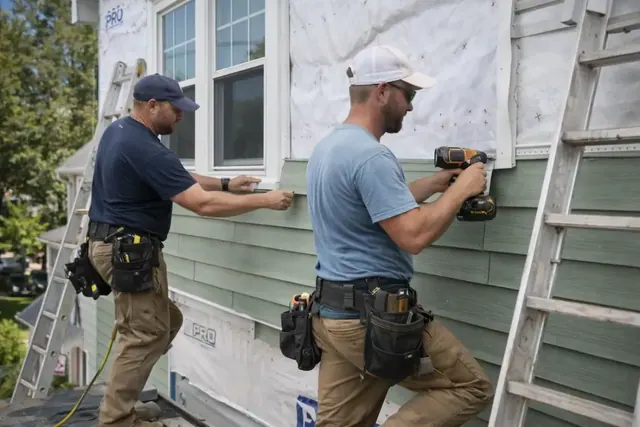
Quick answerVinyl siding is an exterior cladding material made primarily from polyvinyl chloride (PVC). It is designed to protect homes from moisture, wind, and other environmental elements while providing an attractive finished appearance.
Your home’s exterior plays a major role in its curb appeal, energy efficiency, and long-term value. Whether you’re building a new home, remodeling an older property, or looking for a cost-effective way to improve appearance and protection, vinyl siding continues to be one of the most popular choices among homeowners.
Known for its durability, affordability, and low maintenance requirements, vinyl siding offers a practical solution for protecting homes from harsh weather while enhancing visual appeal. With a wide variety of colors, textures, and styles available, homeowners can achieve a customized look without the ongoing maintenance associated with traditional exterior materials.
Worried about your roof?Wichita Roofing Pros will check it for free and explain what we find in plain words.Book a Free Inspection or call (316) 742-1900
If you’re considering an exterior upgrade, understanding the benefits of vinyl siding can help you make an informed decision that adds value and beauty to your property.
What Is Vinyl Siding?
Vinyl siding is an exterior cladding material made primarily from polyvinyl chloride (PVC). It is designed to protect homes from moisture, wind, and other environmental elements while providing an attractive finished appearance.
Modern vinyl siding products are engineered to withstand changing weather conditions and maintain their appearance for many years with minimal upkeep.
Available styles include:
- Horizontal lap siding
- Vertical siding
- Shake siding
- Board and batten designs
- Decorative accent panels
This versatility allows homeowners to match virtually any architectural style.
Why Vinyl Siding Remains So Popular
Among all exterior cladding options, vinyl siding consistently ranks as one of the most installed materials in residential construction.
Its popularity stems from several advantages:
- Affordable installation costs
- Low maintenance requirements
- Excellent durability
- Wide selection of colors
- Improved energy efficiency
- Long lifespan
- Strong return on investment
For homeowners seeking value and performance, vinyl siding offers an attractive balance of cost and functionality.
With a wide variety of colors, textures, and styles available, homeowners can achieve a customized look without the ongoing maintenance associated with traditional exterior materials.

Enhanced Curb Appeal
One of the biggest reasons homeowners choose vinyl siding is its ability to transform a property’s appearance.
Wide Range of Colors
Modern manufacturers offer dozens of color options ranging from traditional neutrals to bold contemporary shades.
Popular choices include:
- White
- Gray
- Beige
- Blue
- Green
- Taupe
Many products feature baked-in color technology that resists fading over time.
Multiple Texture Options
Vinyl siding can replicate the appearance of:
- Natural wood
- Cedar shakes
- Traditional clapboard
- Rustic finishes
This allows homeowners to enjoy the look of premium materials without the associated maintenance.
Durability That Withstands Harsh Weather
Your home’s exterior is constantly exposed to:
- Rain
- Wind
- Hail
- Sunlight
- Temperature fluctuations
High-quality vinyl siding is designed to withstand these conditions while maintaining structural integrity.
Moisture Resistance
Unlike wood, vinyl does not absorb water.
This helps prevent:
- Rot
- Warping
- Swelling
- Insect damage
Wind Resistance
Many modern systems are engineered to withstand strong winds and severe weather conditions.
Impact Resistance
Advanced siding products offer enhanced durability against minor impacts and storm-related debris.
Low Maintenance Benefits
One of the most appealing aspects of vinyl siding is its minimal maintenance requirements.
Unlike wood siding, homeowners do not need to:
- Scrape paint
- Repaint regularly
- Apply sealants
- Treat for termites
Routine maintenance typically involves simple cleaning with water and mild detergent.
This saves both time and money over the life of the home.
Improved Energy Efficiency
Energy efficiency remains a top priority for homeowners.
Insulated vinyl siding can help improve thermal performance by reducing heat transfer through exterior walls.
Benefits include:
- More consistent indoor temperatures
- Reduced heating costs
- Lower cooling expenses
- Enhanced comfort
Combined with proper insulation and weatherproofing, vinyl siding contributes to improved energy savings throughout the year.
Cost-Effective Exterior Remodeling
Homeowners often compare various siding materials when planning exterior renovations.
Vinyl Siding vs. Wood Siding
Wood offers natural beauty but requires ongoing maintenance and periodic repainting.
Vinyl siding provides:
- Lower installation costs
- Reduced maintenance
- Greater moisture resistance
Vinyl Siding vs. Fiber Cement
Fiber cement is durable but generally costs more to install.
Vinyl offers a more budget-friendly alternative while still delivering excellent performance.
Vinyl Siding vs. Brick
Brick provides long-term durability but comes with significantly higher material and labor expenses.
For many homeowners, vinyl siding delivers the best combination of affordability and value.
Long Lifespan and Lasting Protection
When professionally installed, vinyl siding can last for decades.
Factors contributing to its longevity include:
- Resistance to moisture
- UV protection
- Durable manufacturing materials
- Minimal maintenance needs
Proper installation is critical to ensuring optimal performance and lifespan.
Protection Against Pests
Wood siding can attract insects such as:
- Termites
- Carpenter ants
- Wood-boring beetles
Vinyl siding does not provide a food source for these pests, reducing the likelihood of insect-related damage.
This added protection helps preserve the structural integrity of your home.
Environmentally Friendly Advantages
Many homeowners are increasingly concerned about sustainability.
Modern vinyl siding offers several environmental benefits.
Reduced Maintenance Products
Less frequent painting means fewer chemicals and coatings are required over time.
Energy Savings
Improved insulation can reduce household energy consumption.
Long Product Lifespan
Durable materials reduce replacement frequency and construction waste.
These factors contribute to a more environmentally responsible home improvement solution.
Signs It’s Time to Replace Your Existing Siding
Even durable exterior materials eventually require replacement.
Common warning signs include:
Cracks and Damage
Visible cracks can allow moisture infiltration and reduce protection.
Fading Color
Excessive fading may indicate aging materials nearing the end of their lifespan.
Increased Energy Bills
Poor-performing exterior walls can contribute to higher heating and cooling costs.
Mold or Mildew Growth
Persistent moisture issues may suggest siding deterioration.
Frequent Maintenance Needs
Constant repairs often signal that replacement may be more cost-effective than ongoing fixes.
Choosing the Right Vinyl Siding
Not all products offer the same quality and performance.
When selecting siding, consider:
Thickness
Thicker panels generally provide greater durability and impact resistance.
Insulation Options
Insulated products offer improved thermal efficiency.
Color Selection
Choose colors that complement roofing, trim, and landscaping features.
Warranty Coverage
Strong manufacturer warranties often indicate confidence in product quality.
Working with experienced professionals can help you select the best option for your home’s needs.
Professional Installation Matters
Even the highest-quality siding performs poorly if installed incorrectly.
Professional installation helps ensure:
- Proper moisture management
- Secure fastening
- Accurate alignment
- Long-term durability
- Warranty compliance
Experienced contractors understand local climate conditions and building requirements, ensuring reliable results.
Increasing Property Value
Exterior improvements consistently rank among the most valuable home renovation projects.
Benefits of new vinyl siding may include:
- Improved curb appeal
- Increased buyer interest
- Better energy performance
- Reduced maintenance concerns
- Higher resale value
A well-maintained exterior creates a strong first impression and enhances marketability.
Conclusion
Vinyl siding continues to be one of the smartest investments homeowners can make when upgrading their property’s exterior. Its affordability, durability, low maintenance requirements, energy efficiency, and attractive appearance make it an excellent choice for both new construction and remodeling projects. Whether you’re looking to improve curb appeal, protect your home from the elements, or increase property value, professionally installed vinyl siding offers long-term benefits that homeowners can enjoy for years to come. For expert siding installation and exterior improvement services, Wichita Roofing Pros provides the experience and craftsmanship needed to achieve outstanding results.
How siding and roofing work together
Siding, trim, flashing and the roof edge form one water-shedding system. When we see wall stains near a roof line, we check kick-out flashing, step flashing and siding together before recommending a fix.
Siding warning signs
Look closely at the sides that face prevailing wind and storms.
- Cracked, split or hail-dented panels
- Warped or buckled sections
- Soft or swollen boards near the ground or roof line
- Peeling paint on trim
- Gaps where siding meets windows or roof lines
- Mold or mildew streaks
- Loose or missing pieces after wind
- Interior wall stains on exterior walls
Siding materials compared
The two most common choices for Wichita homes.
| Material | Strengths | Considerations |
|---|---|---|
| Vinyl siding | Low maintenance, many colors, budget-friendly | Can crack in hard hail or cold impacts |
| LP SmartSide engineered wood | Impact resistance, wood look, paintable | Needs paint upkeep over time |
| Trim, soffit and fascia | Finishes edges and vents the attic | Rot here often signals water problems |
How we evaluate siding damage
We look beyond the panel to the water path behind it.
- Walk every elevation. Note cracks, dents and gaps.
- Check transitions. Windows, doors, roof lines and kick-out flashing.
- Probe soft spots. Look for swelling or rot.
- Review trim and soffit. Ventilation and edge condition.
- Recommend. Patch, section replace or full re-side.
What affects siding cost
Wall area, material, number of stories, trim and soffit work, and any sheathing repair. Matching existing siding can limit patch options. You receive a written scope and price after the inspection.
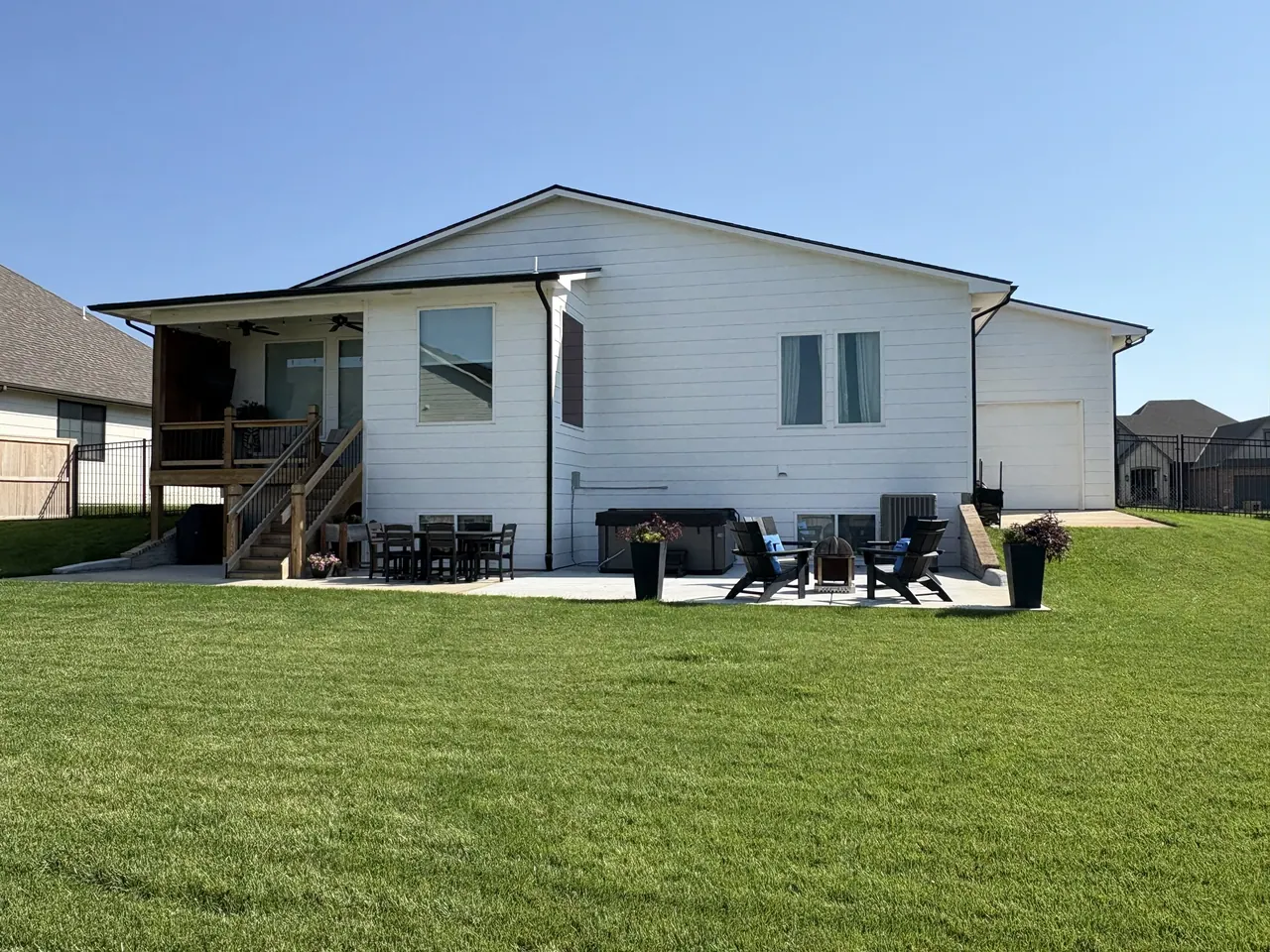
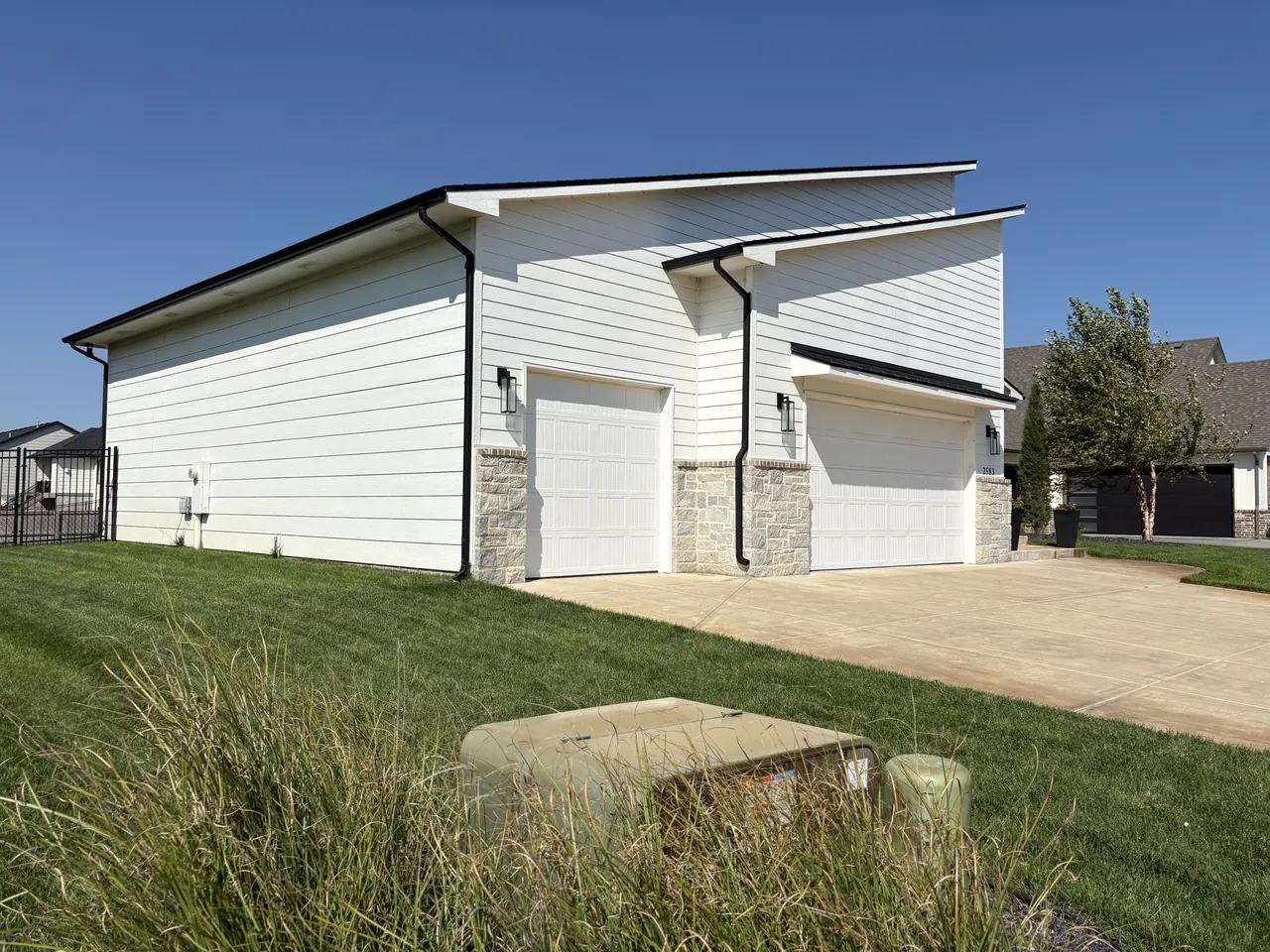
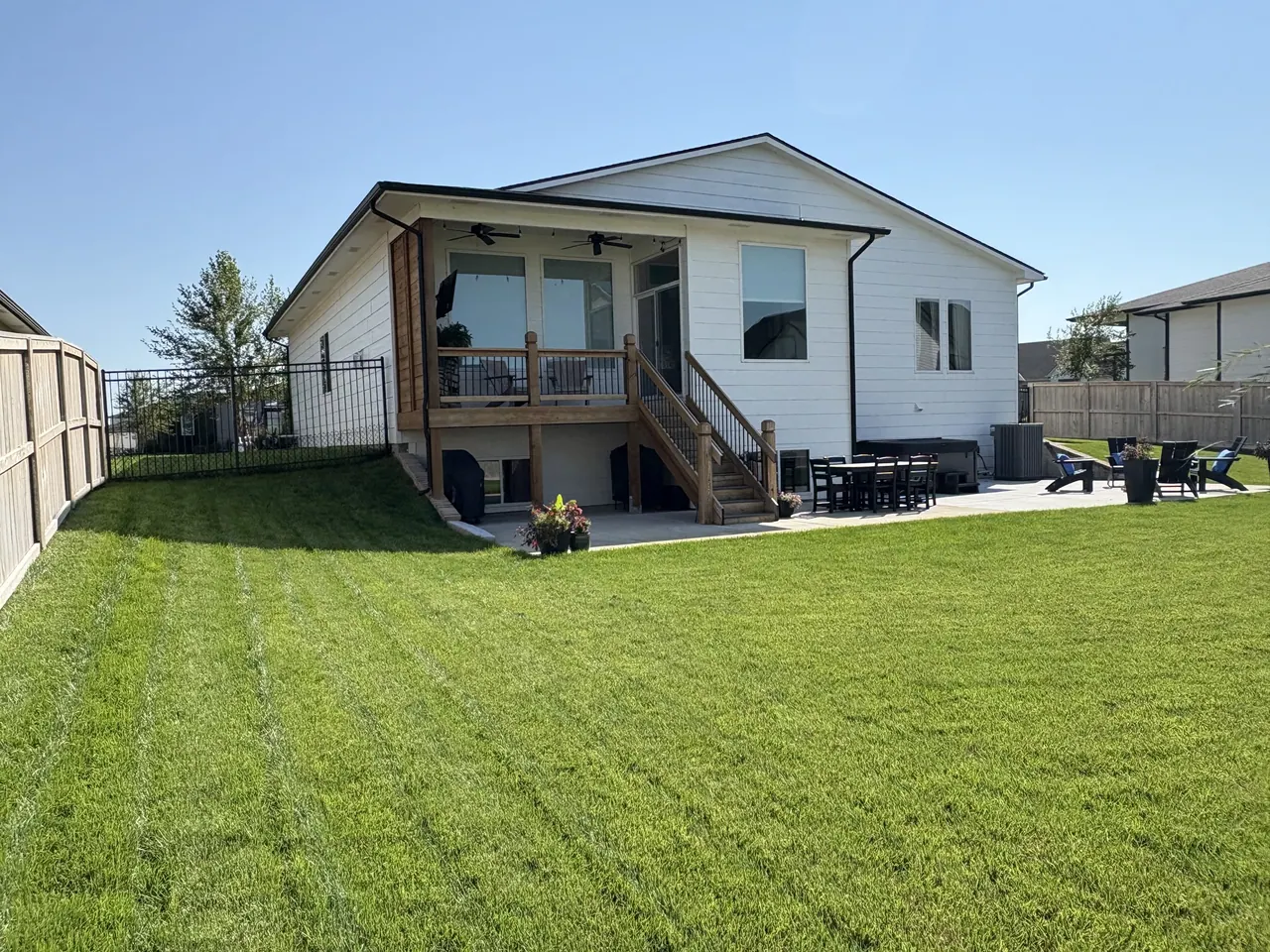
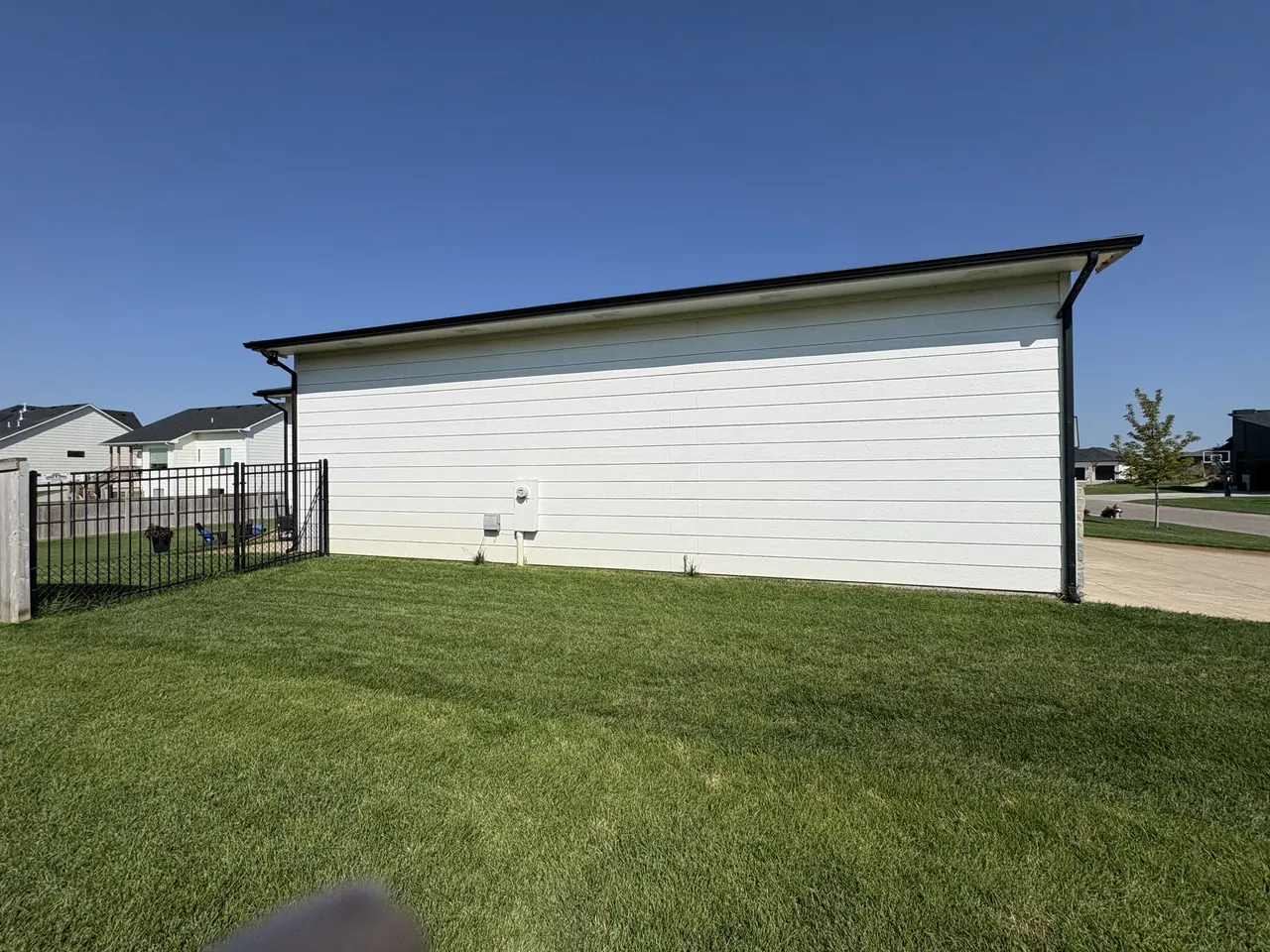
From our work: White Lap Siding Exterior
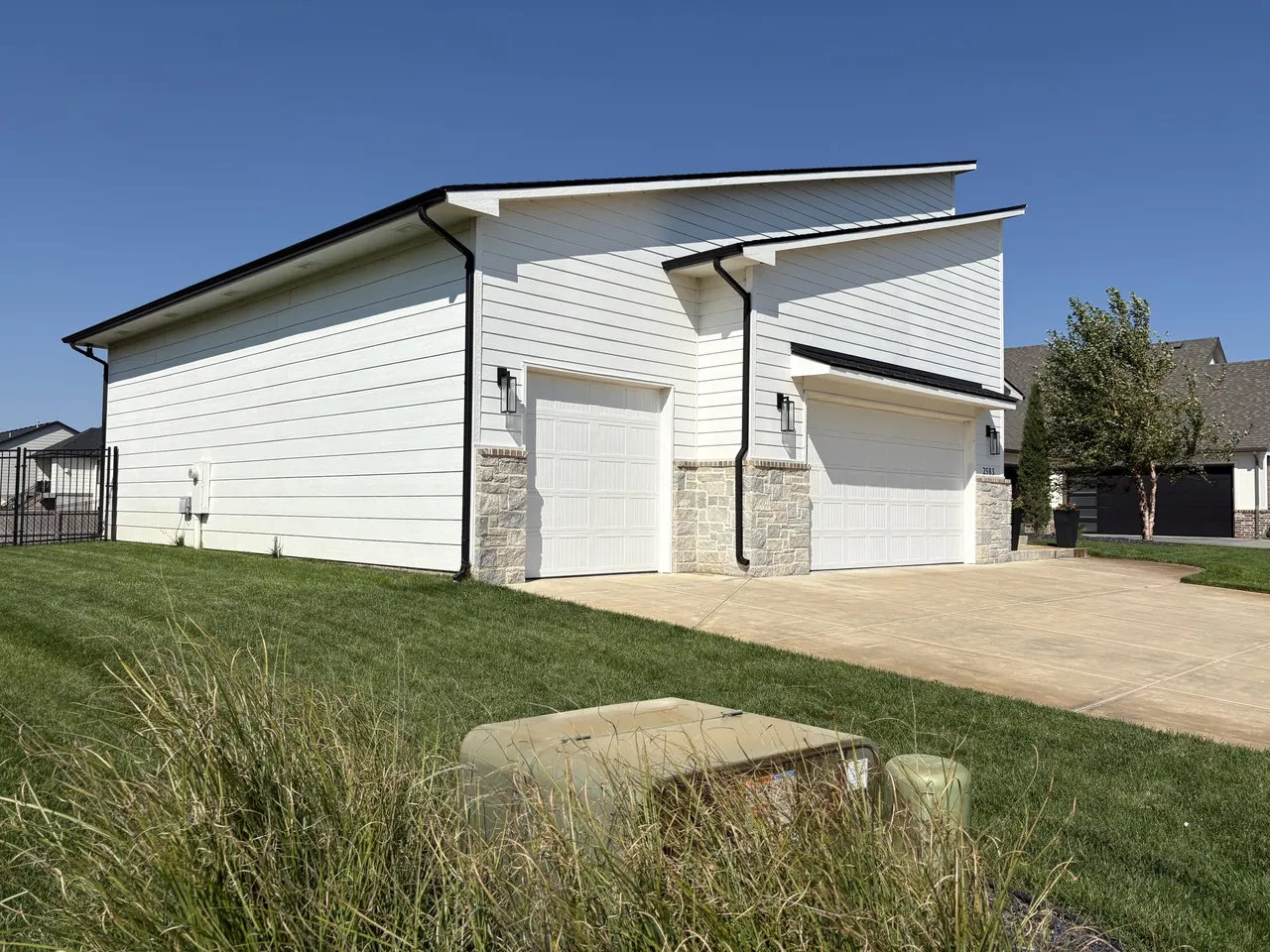
A modern home finished in clean white lap siding, photographed from several angles after completion.
Why Vinyl Siding Is One of the Best Investments for Your Home’s Exterior? The honest answer depends on your roof’s age, material and the damage we can document. A free inspection from Wichita Roofing Pros gives you photos, a plain-English explanation and a written next step — with no obligation. Hablamos Español.
Schedule a Free Roof InspectionCall (316) 742-1900Frequently Asked Questions
1. How long does vinyl siding typically last?
High-quality vinyl siding can last 20 to 40 years or more when properly installed and maintained.
2. Is vinyl siding energy efficient?
Yes. Insulated vinyl siding can improve thermal performance and help reduce heating and cooling costs.
3. Does vinyl siding require painting?
No. Most vinyl siding products feature built-in color that does not require regular painting.
4. Can vinyl siding withstand severe weather?
Modern vinyl siding is designed to resist moisture, wind, and many weather-related challenges.
5. Is vinyl siding a good investment for resale value?
Yes. New siding can improve curb appeal, reduce maintenance concerns, and enhance overall property value.
Is LP SmartSide good for Wichita?
It is a popular choice for impact resistance and a wood look. It needs periodic painting.
Can you repair just a few siding panels?
Often, if matching panels are available. We will tell you if a section replacement makes more sense.
Does hail damage siding?
Yes. Hail can crack vinyl and dent or chip other materials. Document it along with roof damage.



