Quick answerSoffit and fascia problems lead to roof damage because they form the primary barrier between the roof’s structural edges and the outdoor environment. Damaged fascia allows water to run behind gutters and soak the rafter tails, causing wood rot that weakens the structural edge of the entire roof.
Soffit and fascia are the finishing components that run along the underside of the roof overhang and across its outer edge. In Wichita, where seasonal thunderstorms push heavy rain at sharp horizontal angles and where summer heat bakes attic spaces to extreme temperatures, these components carry out functions that directly protect the roof structure, the attic, and the interior of the home. When soffit or fascia deteriorate, the resulting damage often spreads into the roof deck, rafters, and gutter system long before a homeowner notices anything visible from the ground. Understanding how these components work and what goes wrong is essential for good roof maintenance in the Wichita area.
Why Do Soffit and Fascia Problems Lead to Roof Damage?
Soffit and fascia problems lead to roof damage because they form the primary barrier between the roof’s structural edges and the outdoor environment. Damaged fascia allows water to run behind gutters and soak the rafter tails, causing wood rot that weakens the structural edge of the entire roof. Deteriorated soffit closes off the ventilation pathway that keeps attic temperatures and moisture levels in check, which accelerates shingle degradation from the underside. Once rot reaches the rafter tails or the edges of the roof deck, repair costs increase sharply because structural framing must be addressed before new exterior materials can be installed.
Worried about your roof?Wichita Roofing Pros will check it for free and explain what we find in plain words.Book a Free Inspection or call (316) 742-1900
What Role Does Soffit Play in Attic Ventilation?
Vented soffit panels allow cool outside air to enter the attic space along the eave line. This intake air travels up through the attic and exits through ridge vents or box vents near the roof peak, creating a continuous airflow that controls both temperature and moisture levels. In Wichita summers, attic temperatures without adequate ventilation can exceed 150 degrees Fahrenheit, which accelerates shingle granule loss, dries out the adhesive strips that hold shingle tabs down, and causes the roof deck to expand and contract more aggressively than it was designed for. When soffit panels are blocked by insulation pushed against the eave, damaged by pests, or rotted out entirely, that ventilation pathway closes. Over one to two Kansas summers, the resulting thermal stress noticeably shortens shingle life and can void some manufacturer warranties that require specific ventilation ratios to remain in force.
Soffit and fascia problems lead to roof damage because they form the primary barrier between the roof’s structural edges and the outdoor environment.
How Does Fascia Damage Allow Water Into the Roof Structure?
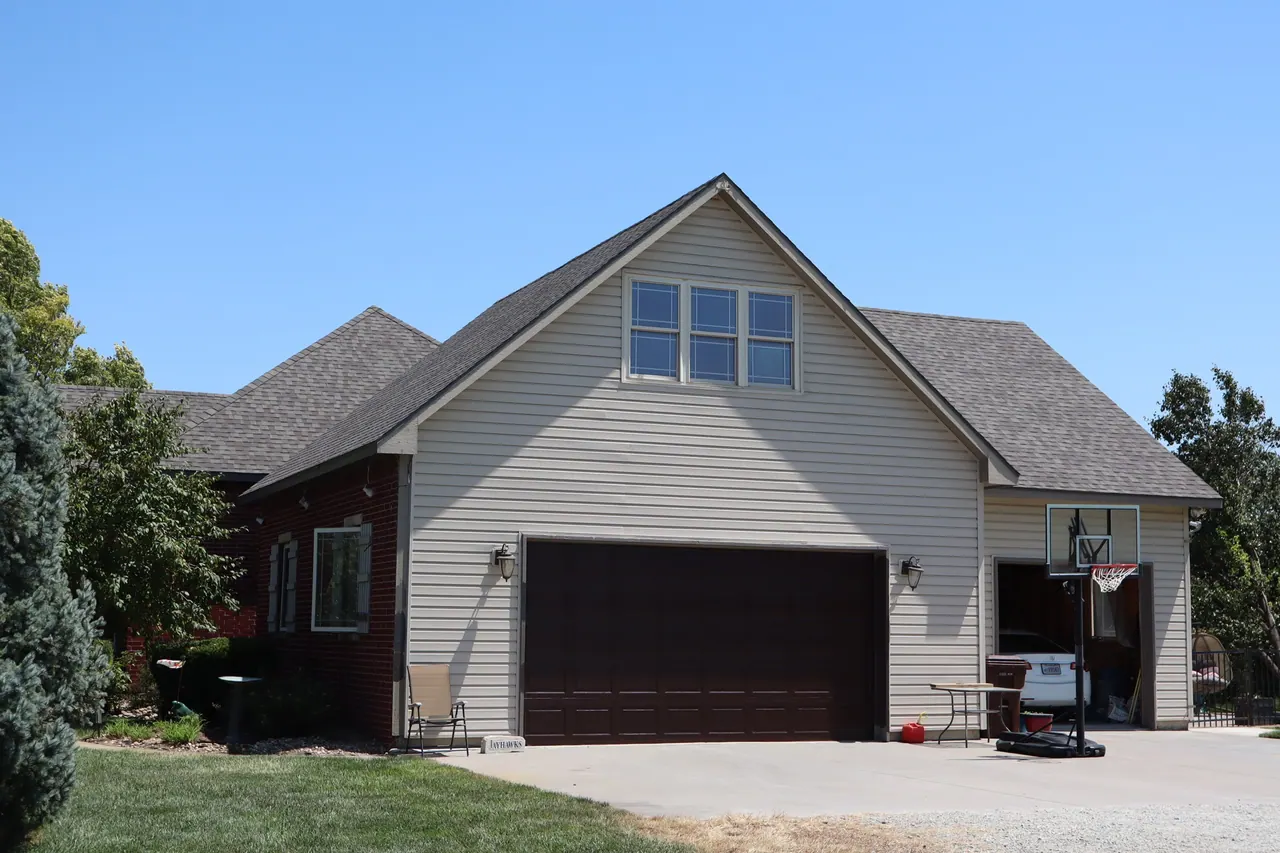
Fascia boards run horizontally along the lowest edge of the roof, directly behind the gutters. They serve two critical functions: they provide the mounting surface for gutters, and they seal the gap between the roof deck edge and the exterior cladding. When fascia deteriorates, gutters lose their solid attachment point and begin pulling away from the house, which directs rainwater against the fascia face, down the wall, and potentially toward the foundation. More critically, any gap between a failing fascia board and the roof deck edge allows wind-driven rain to penetrate and saturate the deck. Wichita’s spring storms regularly produce rain driven at sharp horizontal angles that probe every gap along the roofline. A thorough inspection from Soffit, Fascia and Trim in Wichita specialists can identify these vulnerabilities before interior damage begins.
What Are the Common Signs of Soffit and Fascia Damage in Wichita?
Several visible and tactile signs indicate that soffit or fascia need attention before the next storm season. Peeling or bubbling paint on fascia boards often precedes wood rot and should be investigated rather than simply repainted. Soft spots or sponginess when pressing on fascia wood confirm that moisture has already penetrated the surface layer. Staining or water marks on the soffit underside suggest that water is running along the rafter tails before dripping down. Visible gaps between soffit panels allow pests to enter the attic, and squirrel, bird, or wasp activity around the eaves is often a reliable signal that soffit has been compromised. Gutters that sag, pull away from the fascia face, or show rust where they meet the board are a direct sign that fascia deterioration is underway. Homeowners in the Wichita roofing service area who notice any of these signs should arrange an inspection before the next heavy storm season begins.
Top 6 Consequences of Ignoring Soffit and Fascia Problems
- Rafter tail rot: Once moisture reaches the structural rafter tails, rot spreads inward toward the roof deck. Replacing rafter tails requires careful carpentry and significantly increases project cost compared to replacing only the fascia boards themselves.
- Roof deck edge delamination: Plywood or OSB roof decking that absorbs water at the edges begins to delaminate, losing the structural holding capacity needed to keep shingles and roofing nails secure over time.
- Gutter failure: Gutters attached to rotted fascia cannot maintain proper slope or hold secure attachment. Detached or overflowing gutters direct large volumes of water against foundation walls, window frames, and landscaping.
- Pest infestation: Gaps in deteriorated soffit are entry points for squirrels, birds, wasps, and carpenter bees. Nesting activity inside the attic creates additional moisture problems and potential fire hazards from chewed electrical wiring.
- Attic moisture accumulation and mold: Without adequate soffit ventilation, warm moist air from the living space accumulates in the attic. Mold growth on attic sheathing and insulation creates air quality issues and requires expensive professional remediation.
- Accelerated shingle wear: Heat trapped by blocked soffit vents degrades shingles from the bottom up. This thermal damage is not covered by most shingle manufacturer warranties because it results from inadequate ventilation rather than product defects.
What Materials Are Used for Soffit and Fascia Replacement in Wichita?
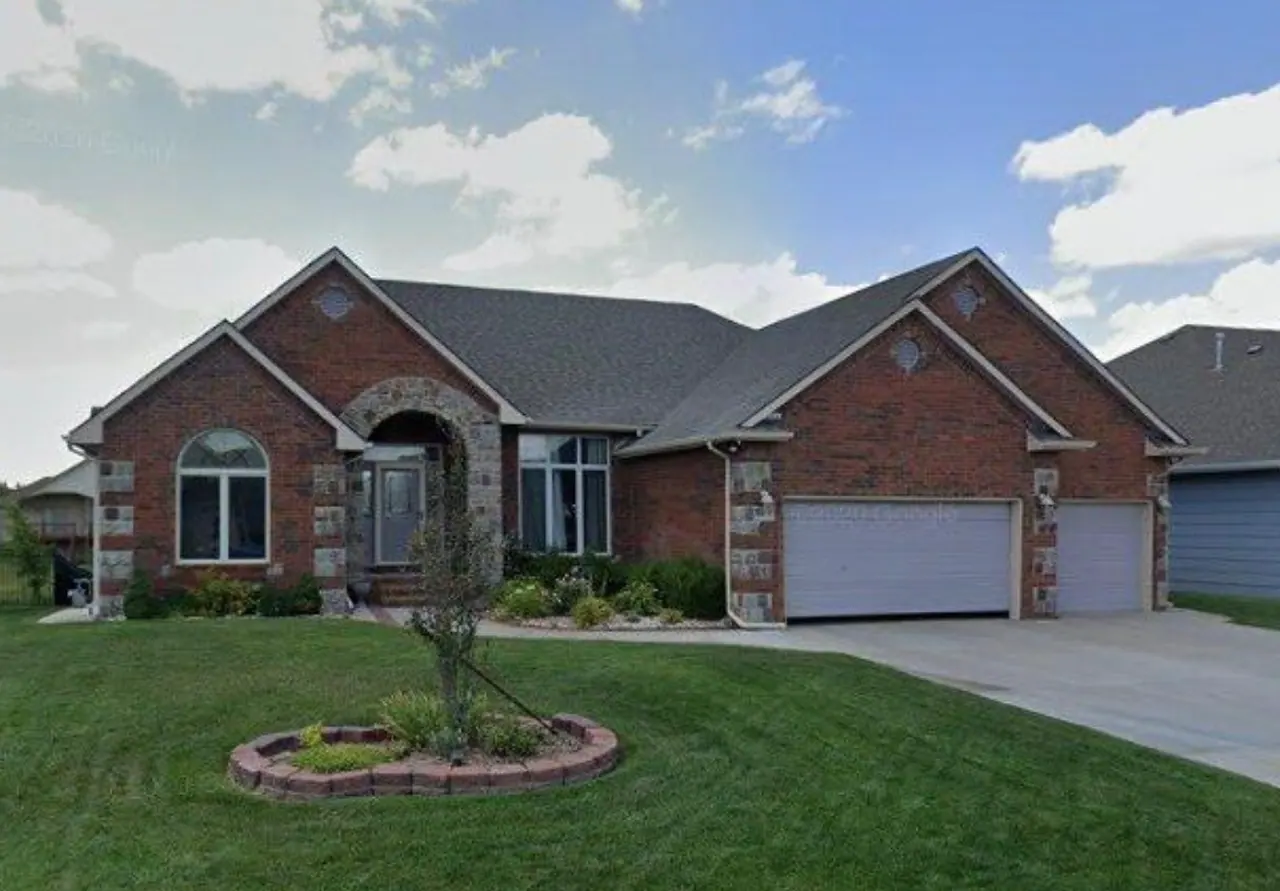
Aluminum and vinyl are the most common replacement materials for soffit and fascia in Wichita because both resist moisture, do not rot, and hold paint well in the Kansas climate. Aluminum fascia wrap is often installed over existing wood fascia boards when the wood remains structurally sound but has paint that is failing. Vinyl soffit panels come in vented and solid profiles and are matched to the existing trim color or coordinated with new siding when a full exterior project is underway. If the underlying wood has rotted significantly, the fascia boards are replaced with new lumber and then wrapped in aluminum, or replaced with cellular PVC, which offers excellent moisture resistance and clean paint adhesion. According to the NOAA National Weather Service Wichita storm reports, the frequency of high-wind events in this region reinforces the importance of choosing materials and installation methods appropriate for the Kansas wind environment.
Is It Possible to Repair Soffit and Fascia Without Replacing the Roof?
Yes, in most cases soffit and fascia work is entirely independent of the roof surface above it. A contractor removes the damaged panels, inspects and repairs any underlying wood, installs new material, and re-attaches or re-aligns the gutters, all without disturbing the shingles. The exception arises when rot has traveled from the fascia into the roof deck edge, which requires lifting the lowest course of shingles to replace the damaged deck section. This is an added cost but far less disruptive and expensive than a full re-roof. Scheduling a Wichita Roofing Pros roof inspection allows the crew to evaluate the soffit, fascia, and roofline together in a single visit and give the homeowner a complete picture of what work is actually needed before any commitment is made.
How Can Wichita Homeowners Prevent Soffit and Fascia Deterioration?
Prevention focuses on keeping moisture away from wood components and maintaining the paint or cladding that seals the wood surface. Gutters are directly tied to soffit and fascia health because overflow and improper drainage are the leading cause of fascia rot. For homeowners who want to address the full roofline system at once, the Wichita gutter services page outlines what Wichita Roofing Pros offers for gutter installation and repair alongside exterior trim work. Gutters should be cleaned twice per year so they do not overflow and direct water against the fascia. Any peeling paint on fascia should be sanded, primed, and repainted before the underlying wood is exposed to weather. Attic insulation should be checked each spring to confirm it has not settled against the soffit vents and blocked airflow. Replacing wood fascia with aluminum-wrapped or cellular PVC fascia eliminates the rot risk entirely and is a worthwhile upgrade during any siding or roofing project. Homeowners who monitor these components annually and address small problems early will find that soffit and fascia outlast their expected service life without requiring major replacement work.
Trees, wind and Kansas gutters
Mature trees in older Wichita neighborhoods fill gutters with leaves and seed pods every season, and strong wind can loosen hangers. Guards and properly spaced hangers cut down on clogs and sagging.
Signs your gutters need attention
Walk the house during or right after a rain and look for these.
- Water spilling over the front edge
- Sagging runs or pulled-away hangers
- Peeling paint or rot on fascia boards
- Stains or erosion under the gutter line
- Downspouts that dump next to the foundation
- Rust spots, cracks or leaking seams
- Granules from shingles collecting in the trough
- Plants growing in the gutter
Gutter options at a glance
The right choice depends on roof size, tree cover and budget.
| Option | Best for | Keep in mind |
|---|---|---|
| Seamless aluminum gutters | Most homes | Fewer joints means fewer leaks |
| Larger gutters and downspouts | Large or steep roofs, heavy rain | Moves more water off the roof |
| Gutter guards | Homes under trees | Reduces clogs and cleaning |
| Gutter repair | Newer systems with isolated issues | Reseal seams, reset hangers, adjust pitch |
How we evaluate a gutter system
Gutters, roof edges and fascia work together, so we look at all three.
- Check flow. Pitch, outlets and downspout placement.
- Inspect the edge. Drip edge, fascia and soffit condition.
- Look for overflow clues. Stains, erosion and splash marks.
- Size the system. Match capacity to roof area and pitch.
- Recommend. Repair, replace, add guards, or fix fascia first.
What drives gutter cost
Linear footage, number of stories, downspout count, gutter size, guards, and any fascia repair needed underneath. Coordinating gutters with a roof replacement can save a second trip. Pricing is provided in writing after the inspection.
From our work: Two-Tone Ranch Replacement
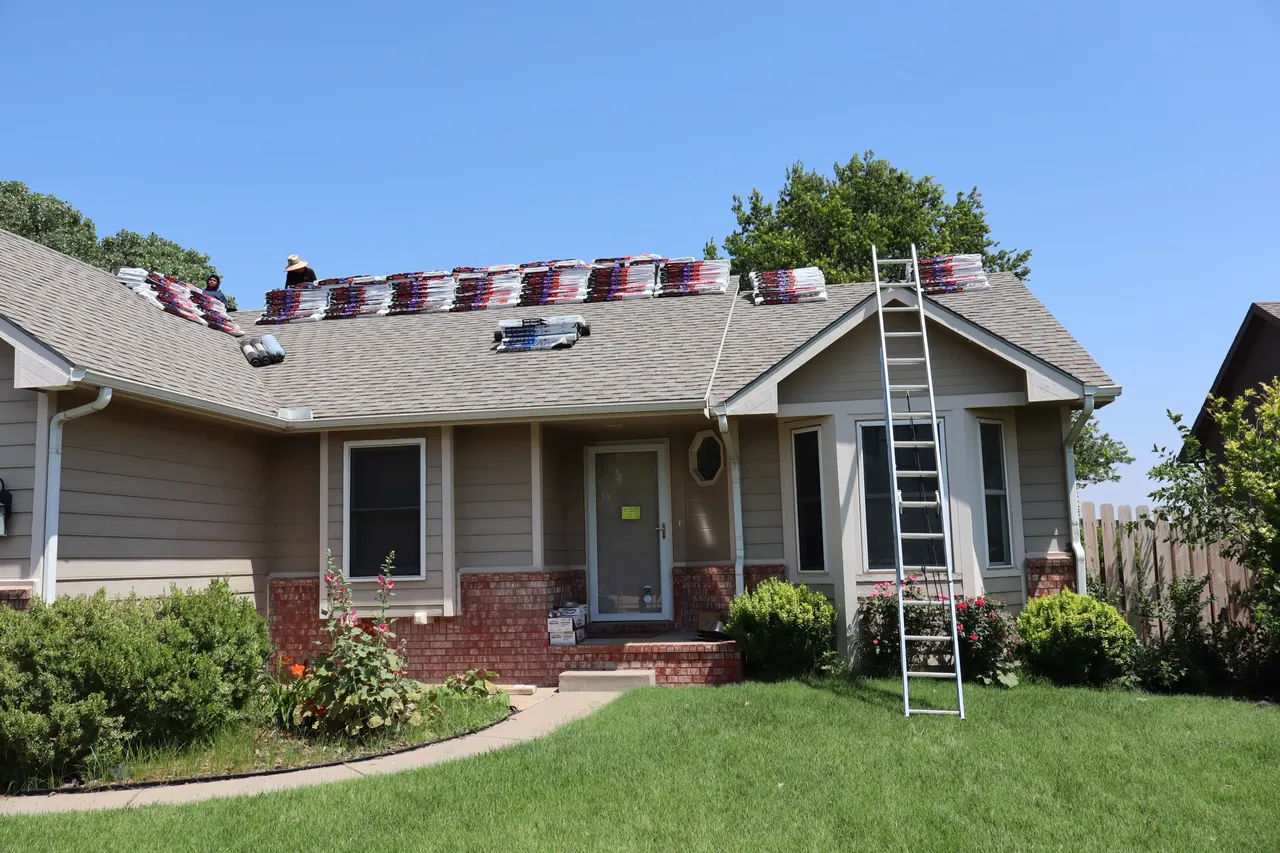
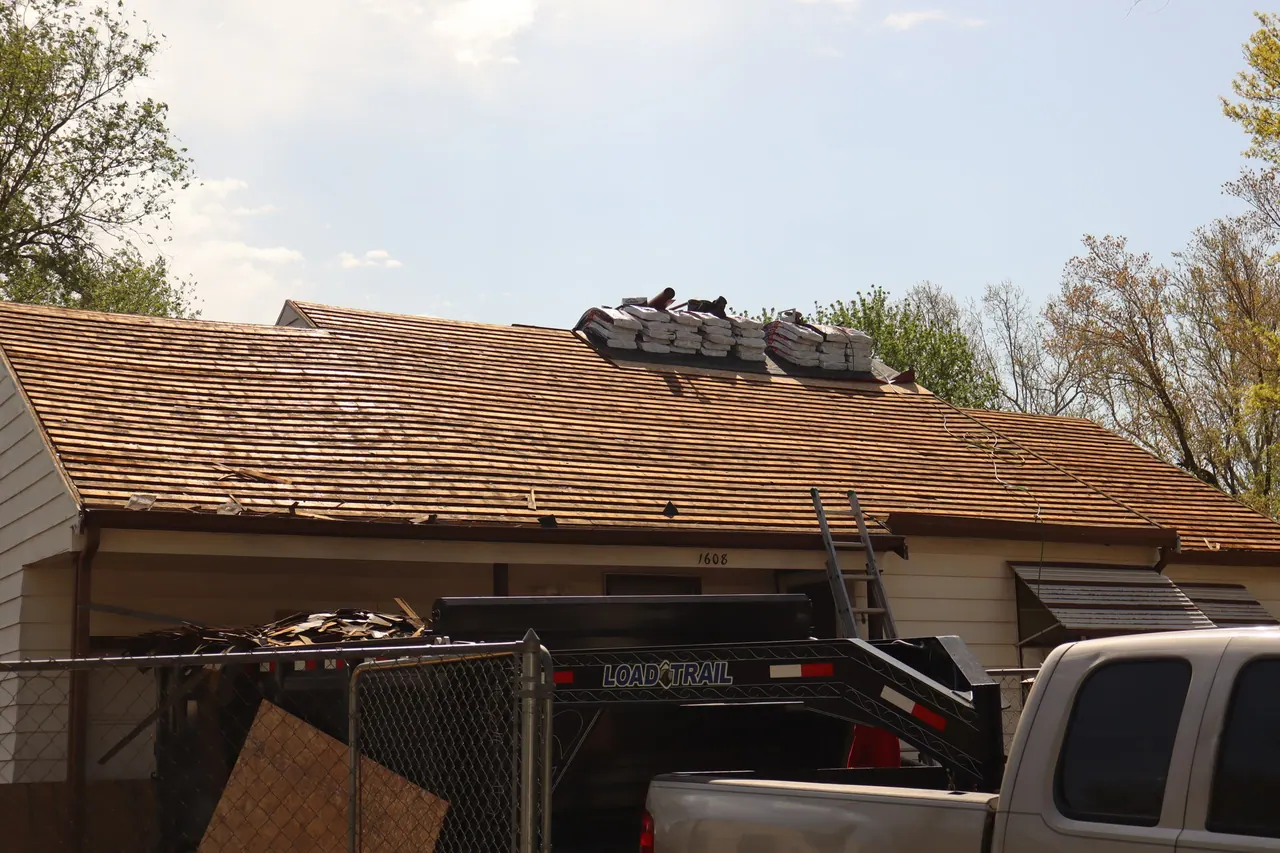
A brick and gray-siding ranch home during replacement: tear-off, crew setup, materials on site and the new architectural shingles going on.
Why Do Soffit and Fascia Problems Lead to Roof Damage? The honest answer depends on your roof’s age, material and the damage we can document. A free inspection from Wichita Roofing Pros gives you photos, a plain-English explanation and a written next step — with no obligation. Hablamos Español.
Schedule a Free Roof InspectionCall (316) 742-1900Frequently Asked Questions About Soffit and Fascia in Wichita
How often should soffit and fascia be inspected in Wichita?
Soffit and fascia should be inspected at least once a year in Wichita, ideally in spring before storm season. A visual check from the ground after any major wind or hail event is also advisable. Look for paint changes, sagging gutters, visible gaps, or water staining on the soffit underside. These components are easy to overlook during routine property maintenance, but they are a direct pathway for water and pests into the home when they fail.
Can I replace soffit and fascia myself, or do I need a professional?
Small sections of vinyl soffit panel can be replaced by a careful homeowner with the right ladder, cutting tools, and matching materials. However, fascia work that involves removing gutters, identifying and treating wood rot, and re-hanging gutters at the correct slope is typically better handled by a professional. Incorrect gutter slope or improperly sealed fascia connections lead to recurring water damage that costs more over time than professional installation would have.
Does homeowners insurance cover soffit and fascia damage from storms in Kansas?
Homeowners insurance in Kansas typically covers soffit and fascia damage caused by wind, hail, or falling objects when the damage meets the claim threshold. Gradual deterioration from age or deferred maintenance is generally not covered. Documenting the condition of your soffit and fascia before and after storm events with dated photos is the most practical way to support a claim if damage occurs.
What is the difference between vented and solid soffit panels?
Vented soffit panels have perforations or slots that allow outside air to flow into the attic, supporting the intake side of passive roof ventilation. Solid soffit panels have no openings and are used where ventilation intake is not needed. Most Wichita homes use a combination. Replacing vented soffit with solid panels by mistake restricts attic airflow and accelerates heat buildup, so contractors must match the original vent area specifications or improve them.
How long does a soffit and fascia replacement project typically take?
A typical soffit and fascia replacement on a single-story Wichita home takes one to two days for a professional crew. Two-story homes or projects requiring substantial wood rot repair can extend to three or four days. Projects that include gutter removal and re-hanging add time but ensure the entire water management system is correctly integrated. Scheduling in advance during spring or fall is advisable since demand for roofing and exterior contractors in the Wichita area is highest during those seasons.
Are gutter guards worth it in Wichita?
For homes under trees, guards can significantly reduce clogs and overflow.
What are seamless gutters?
Gutters formed on site in continuous lengths, with joints only at corners and downspouts.
Why do my gutters overflow in heavy rain?
Common causes are clogs, poor pitch, too few downspouts or gutters that are too small for the roof.