Quick answerWichita homeowners should replace vinyl siding when two or more of the following conditions exist simultaneously: panels are cracked, warped, or buckled beyond isolated spots; moisture has entered behind the siding and caused sheathing or framing damage; energy costs have risen because deteriorated panels no longer insulate properly; or storm damage is extensive enough that insurance will cover replacement. A single cracked panel can often be swapped out individually, but widespread problems signal that the full system has reached the end of its service life and piecemeal repair is no longer cost-effective.
Vinyl siding is one of the most popular exterior cladding choices in Wichita because it holds up reasonably well against the region’s dramatic temperature swings and gusty spring winds. Over time, even quality panels degrade. Knowing when a repair is sufficient and when a full replacement makes financial sense can save Wichita homeowners from water damage, rising energy bills, and an exterior that pulls down curb appeal. This guide covers the clearest warning signs that replacement is overdue, what Kansas weather does to vinyl over time, how to compare repair costs against replacement value, and what to expect from a professional installation in the Wichita area.
When Should Wichita Homeowners Replace Vinyl Siding?
Wichita homeowners should replace vinyl siding when two or more of the following conditions exist simultaneously: panels are cracked, warped, or buckled beyond isolated spots; moisture has entered behind the siding and caused sheathing or framing damage; energy costs have risen because deteriorated panels no longer insulate properly; or storm damage is extensive enough that insurance will cover replacement. A single cracked panel can often be swapped out individually, but widespread problems signal that the full system has reached the end of its service life and piecemeal repair is no longer cost-effective.
Worried about your roof?Wichita Roofing Pros will check it for free and explain what we find in plain words.Book a Free Inspection or call (316) 742-1900
What Warning Signs Tell You Vinyl Siding Needs Replacement?
Several warning signs indicate that replacement is the right call rather than continued repair. The most common are visible across multiple areas of the home rather than in one isolated section.
Book a Free Inspection or call (316) 742-1900 What Warning Signs Tell You Vinyl Siding Needs Replacement?
Top 7 Warning Signs That Your Vinyl Siding Needs Replacement
- Widespread cracking or splitting: Small cracks allow Kansas wind-driven rain to push moisture into the wall cavity. When cracks appear across multiple elevations rather than one spot, replacement is usually more cost-effective than ongoing repairs.
- Warping, buckling, or rippling panels: Vinyl expands and contracts with temperature change. Panels that warp severely and do not lie flat after the season are at end of life or were improperly installed from the start.
- Fading that cannot be cleaned off: Moderate fading is cosmetic, but severe uneven fading often means UV degradation has made the material brittle. Brittle vinyl cracks more easily during hail events, which are common across Sedgwick County every spring.
- Loose or missing panels after a storm: Wichita sits in a corridor prone to high straight-line winds. According to the NOAA National Weather Service Wichita storm reports, severe wind events regularly exceed 60 mph in this area. Panels that detach repeatedly have lost their locking channel integrity and will not stay secure with spot repairs.
- Visible mold, mildew, or rot behind panels: Surface mold can sometimes be cleaned, but mold or rot in the underlying sheathing means moisture has been penetrating for a sustained period. Full panel removal is required to treat the substrate before re-siding.
- Higher heating and cooling bills: Degraded siding allows air infiltration through gaps and failed locking channels. Replacing older panels with insulated vinyl siding adds a measurable thermal barrier that can lower utility costs in both Wichita winters and summer heat peaks.
- Interior water stains near exterior walls: Stains on interior drywall that align with exterior walls point to a failure in the siding and housewrap system. Delaying replacement risks structural framing damage that costs far more to address than the siding itself.
What Does Wichita Weather Do to Vinyl Siding Over Time?
Wichita weather puts vinyl siding through an aggressive cycle of thermal stress, hail impact, and UV exposure year after year. Summers regularly push temperatures above 95 degrees Fahrenheit, causing panels to expand significantly, while hard Kansas winters pull temperatures below zero, causing sharp contraction. This repeated cycling loosens the locking channels that hold panels in place. Hail, which strikes the Wichita metro multiple times each spring season, dents and pocks older vinyl that has already become brittle from UV exposure. UV radiation degrades both the color pigments and the polymer structure of the panel, making the material more prone to cracking on impact over time. Homes in Wichita with vinyl siding more than 20 years old have typically endured enough of these cycles that the material has reached the end of its reliable service window regardless of surface appearance.
How Does Vinyl Siding Replacement Compare to Ongoing Repair in Cost?
Spot repairs for one or two cracked panels are almost always the right call when the rest of the siding is sound. However, repair costs accumulate quickly when damage is distributed across multiple elevations. A contractor typically charges a minimum trip fee plus material markup for each service visit, so repeated calls over a few years can approach or exceed the cost of a coordinated replacement project. Replacement also opens the option of adding insulated underlayment and upgraded trim, both of which improve energy performance and increase home value. When a hail or wind event has caused enough damage to support an insurance claim, replacement is frequently covered at replacement cost and becomes the economically dominant choice. Vinyl Siding in Wichita from Wichita Roofing Pros includes a free scope assessment so homeowners can compare repair and replacement options before committing to either path.
What Types of Vinyl Siding Are Available for Wichita Homes?
Wichita homeowners choosing new vinyl siding have several product categories to evaluate. Standard horizontal lap siding in double-4 or double-5 profiles is the most common choice and works well for traditional home styles throughout the Wichita roofing service area. Insulated vinyl siding adds a layer of molded foam directly behind the panel face, increasing impact resistance and thermal value. Dutch lap and beaded profiles add visual depth for homes where curb appeal is a priority. Shake and shingle panels work well on dormers or accent areas, and vertical siding has grown in popularity for modern or farmhouse-style exteriors. Thickness matters significantly for Kansas wind performance: panels rated at 0.044 inches or thicker hold up better in high-wind conditions than thin builder-grade material. A qualified contractor should specify products rated for the local wind zone and explain warranty terms before installation begins.
Is Vinyl Siding a Good Investment for Wichita Homeowners?
For most Wichita homeowners, vinyl siding replacement delivers a solid return when the existing siding has aged past 20 years or suffered substantial storm damage. Low maintenance requirements, good resistance to the region’s humidity and temperature swings, and a wide range of color options make vinyl a practical choice for the Kansas climate. Insulated varieties reduce thermal bridging through the stud cavity, which matters in both heating and cooling seasons. Homes with updated exterior cladding typically appraise higher and sell faster than comparable homes with visibly dated or damaged siding. The return on investment improves further when replacement is coordinated with related work such as trim, gutters, or window capping, all of which Wichita Roofing Pros can assess during a combined exterior inspection.
Do Wichita Homeowners Need a Permit to Replace Vinyl Siding?
Permit requirements for siding replacement in Wichita vary depending on scope and whether structural sheathing is being replaced. The City of Wichita permits information page outlines which exterior projects require a building permit. In many cases, a straight re-side over an existing intact substrate does not require a permit, but if the project involves replacing water-damaged sheathing or altering the wall assembly, a permit is typically required. A licensed contractor handles the permit process as part of the project and ensures the installation meets current code, which protects the homeowner’s claim rights if future storm damage occurs and an adjuster reviews the installation history.
What Should Wichita Homeowners Expect During a Vinyl Siding Installation?
A professional vinyl siding installation in Wichita follows a defined sequence. The crew removes the old siding and inspects the housewrap or building paper beneath for damage, replacing any sections that have been compromised by moisture. Damaged sheathing is repaired before new material goes on. Fresh housewrap or water-resistant barrier is installed per manufacturer specifications, and starter strips are set level at the foundation line before the first panel course is locked in place. Panels are fastened with the correct nail slot spacing to allow thermal expansion, a step that matters significantly in Kansas given the wide seasonal temperature range. Trim pieces around windows, doors, and corners are cut, fitted, and caulked properly. A walkthrough with the homeowner confirms color, profile, and all accessory trim are installed per the agreed scope. Scheduling a Wichita Roofing Pros roof inspection at the same time is a practical way to confirm the roofline, drip edge, and fascia transition correctly to the new siding panels.
Why Wichita siding takes a beating
Hail, wind-blown debris and big temperature swings are hard on siding. Cracks and loose panels let wind-driven rain behind the wall, and damage near rooflines can show up as roof-edge leaks.
Siding warning signs
Look closely at the sides that face prevailing wind and storms.
- Cracked, split or hail-dented panels
- Warped or buckled sections
- Soft or swollen boards near the ground or roof line
- Peeling paint on trim
- Gaps where siding meets windows or roof lines
- Mold or mildew streaks
- Loose or missing pieces after wind
- Interior wall stains on exterior walls
Siding materials compared
The two most common choices for Wichita homes.
| Material | Strengths | Considerations |
|---|---|---|
| Vinyl siding | Low maintenance, many colors, budget-friendly | Can crack in hard hail or cold impacts |
| LP SmartSide engineered wood | Impact resistance, wood look, paintable | Needs paint upkeep over time |
| Trim, soffit and fascia | Finishes edges and vents the attic | Rot here often signals water problems |
Siding mistakes to avoid
- Patching siding without fixing the flashing behind it
- Mixing panel profiles that do not match
- Ignoring rotted trim before new gutters
- Covering soffit vents
- Waiting until interior walls stain
What affects siding cost
Wall area, material, number of stories, trim and soffit work, and any sheathing repair. Matching existing siding can limit patch options. You receive a written scope and price after the inspection.
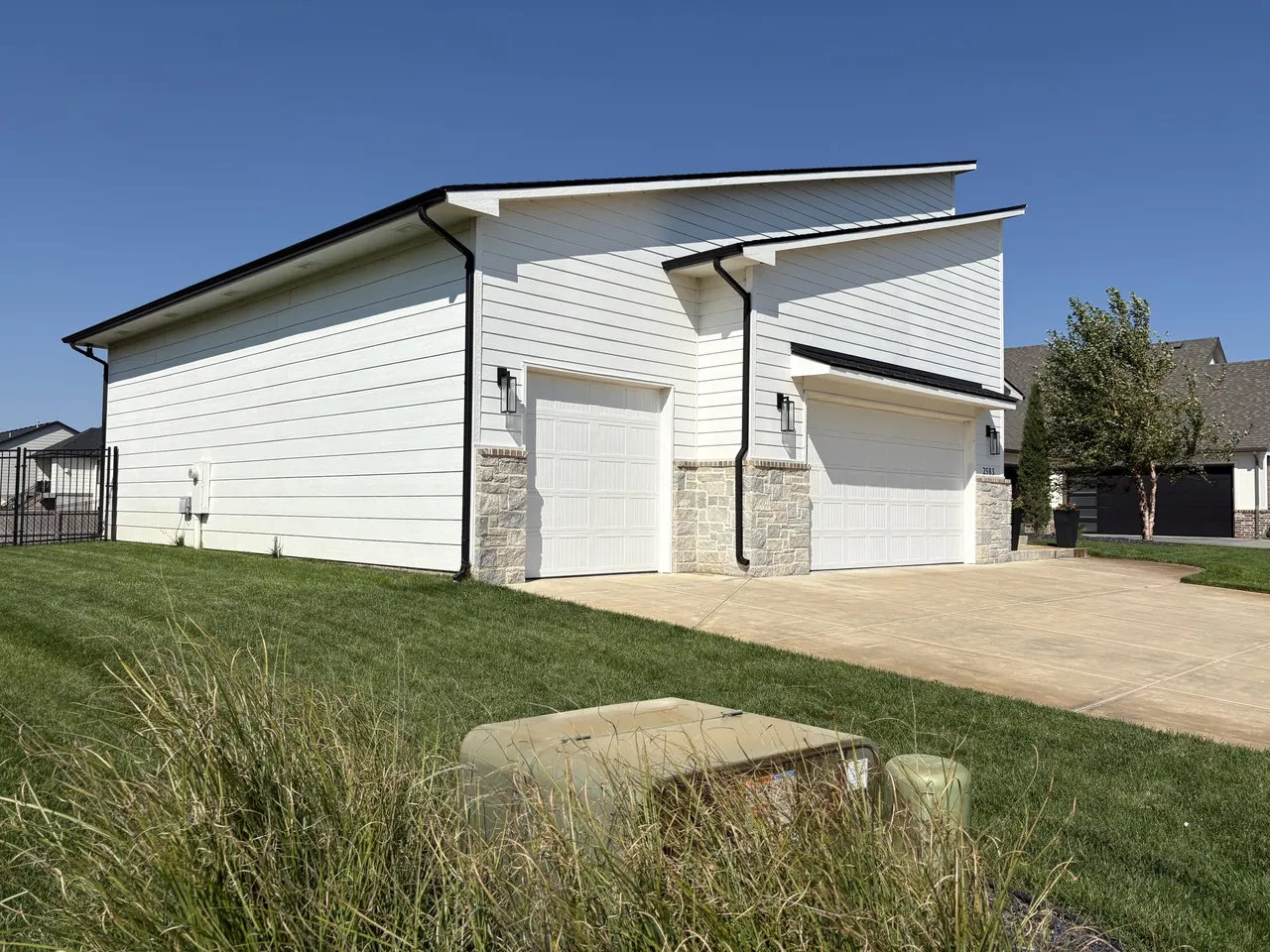
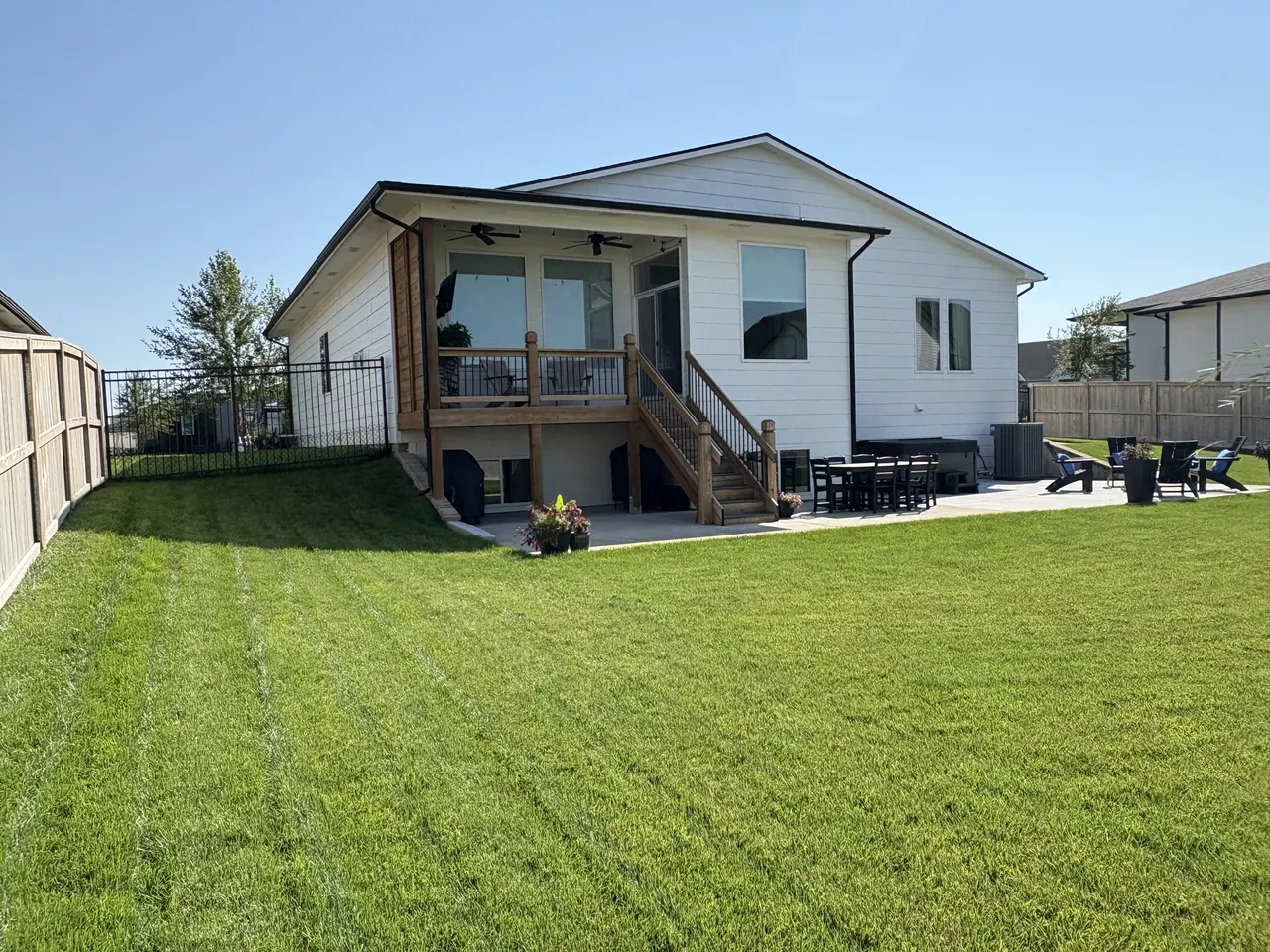
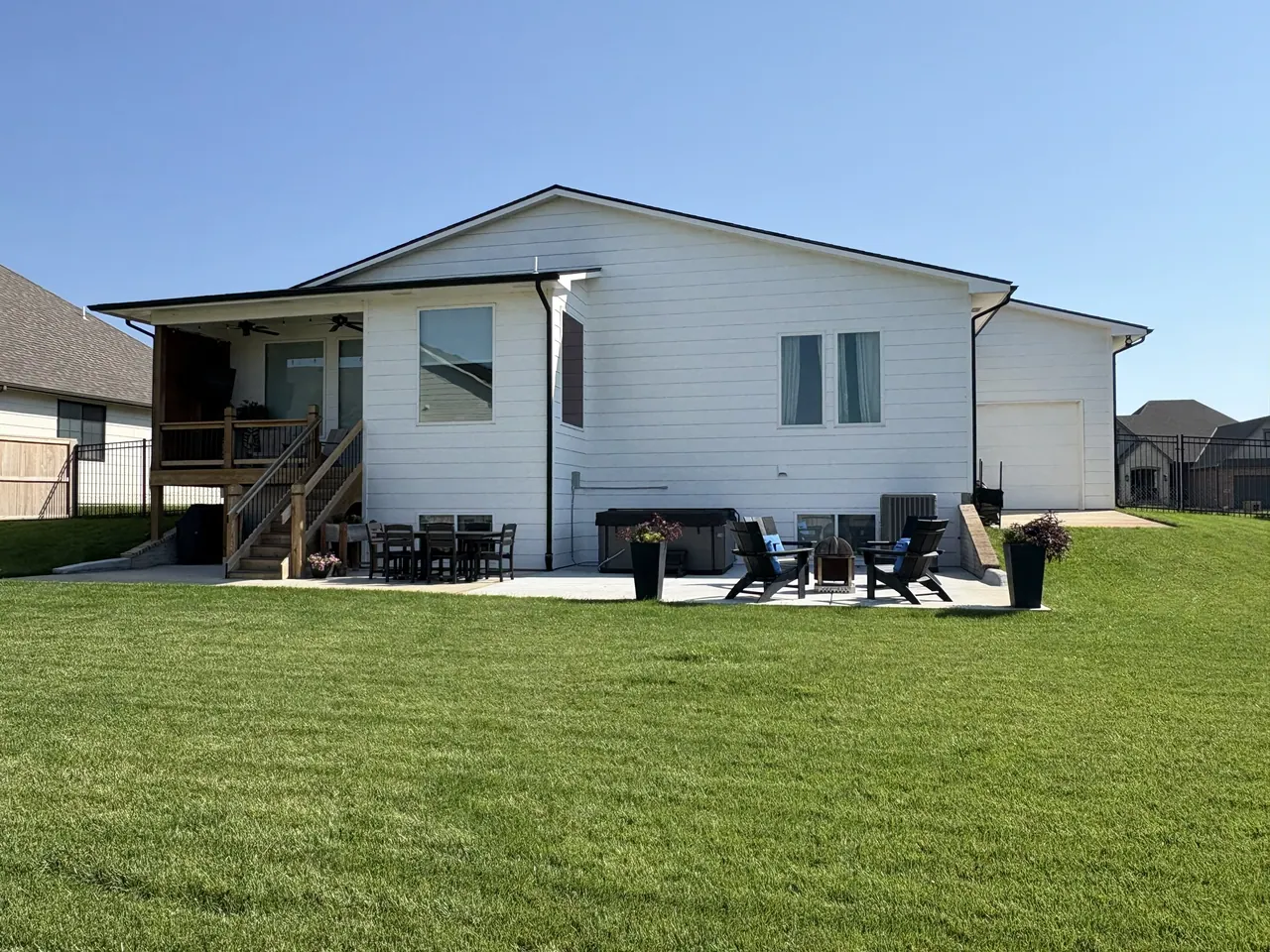
From our work: White Lap Siding Exterior
A modern home finished in clean white lap siding, photographed from several angles after completion.
When Should Wichita Homeowners Replace Vinyl Siding? The honest answer depends on your roof’s age, material and the damage we can document. A free inspection from Wichita Roofing Pros gives you photos, a plain-English explanation and a written next step — with no obligation. Hablamos Español.
Schedule a Free Roof InspectionCall (316) 742-1900Frequently Asked Questions About Vinyl Siding Replacement in Wichita
How long does vinyl siding last in the Wichita climate?
Quality vinyl siding in Wichita typically lasts 20 to 30 years with minimal maintenance. Kansas hail and UV exposure can shorten that range for thinner products. Premium insulated panels from established manufacturers often carry warranties of 30 to 50 years, though regular inspection after severe storms is still advisable regardless of the warranty length or product tier.
Can vinyl siding be painted if the color has faded significantly?
Vinyl siding can be painted using exterior paints specifically formulated for vinyl substrates, but thorough surface preparation is required. Painting is a viable option if panels are structurally sound but have faded unevenly. However, paint adds ongoing maintenance costs and does not restore impact resistance, so replacement is generally the better long-term value when panels are also cracked or brittle from age.
Will homeowners insurance in Kansas cover vinyl siding replacement after a storm?
Homeowners insurance in Kansas typically covers vinyl siding replacement when damage is caused by a covered peril such as hail, wind, or a falling tree. Coverage depends on policy terms, the deductible, and whether the adjuster determines the damage meets the replacement threshold. Documenting storm damage thoroughly with photos immediately after an event strengthens a claim. A contractor familiar with insurance processes can provide a scope that aligns with what adjusters typically require for a full siding claim.
What is the difference between standard and insulated vinyl siding?
Standard vinyl siding consists of a hollow panel that locks into adjacent courses. Insulated vinyl siding has a layer of expanded polystyrene foam molded to the back of the panel, which adds rigidity, reduces exterior noise transfer, and improves the wall assembly’s thermal resistance. In Wichita, where both heating and cooling loads are significant through the year, the energy savings from insulated siding can meaningfully offset the higher upfront cost over the life of the product.
How do I choose a vinyl siding contractor in Wichita?
When selecting a vinyl siding contractor in Wichita, verify that the company holds current liability and workers compensation insurance and any required local contractor registration. Many siding projects also involve gutter and trim work, so choosing a contractor who can handle the full exterior scope saves time and coordination effort. Learn more about related exterior services through the Wichita siding and trim services page. Ask for a written scope specifying product brand, panel thickness, and warranty terms. Ask what happens if water damage is found under the old siding and how that additional work is priced. A reputable contractor provides a written estimate, pulls any required permits, and offers a separate workmanship warranty on installation quality beyond the product manufacturer’s coverage.
Can siding damage cause roof leaks?
Yes. Gaps at roof-wall transitions and missing kick-out flashing can send water into walls and roof edges.
Is LP SmartSide good for Wichita?
It is a popular choice for impact resistance and a wood look. It needs periodic painting.
Can you repair just a few siding panels?
Often, if matching panels are available. We will tell you if a section replacement makes more sense.