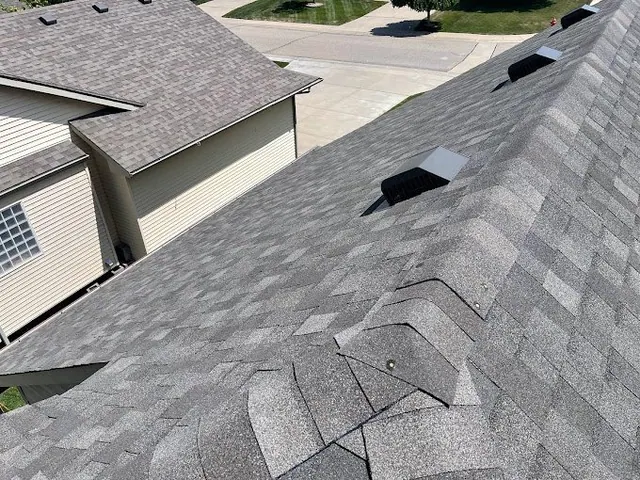
Quick answerWichita homeowners should replace fascia before installing new gutters any time the existing board is soft to probing, visibly rotted, cracked along its length, exhibiting bubbling or peeling paint, or pulling away from the rafter tails at more than one location. Fascia that appears sound from the ground but is soft when probed with a screwdriver should be replaced, not covered over.
Fascia replacement is one of the most commonly skipped steps when Wichita homeowners upgrade their gutters, and skipping it is one of the most reliable ways to shorten the life of a new gutter installation before it ever performs at its best. The fascia board runs horizontally along the eave of the roof, covering the exposed rafter tails and providing the structural surface to which gutters are anchored. When fascia is compromised — rotted, soft, cracked, or pulling away from the rafter tail — new gutters installed over it will sag, pull away from the roofline, and overflow before the rest of the installation has any chance to age normally. In Wichita and Sedgwick County, where spring hail and summer thunderstorms put stress on every exterior component simultaneously, installing new gutters over deteriorated fascia is an investment that returns poor results faster than most homeowners expect.
When Should Wichita Homeowners Replace Fascia Before New Gutters?
Wichita homeowners should replace fascia before installing new gutters any time the existing board is soft to probing, visibly rotted, cracked along its length, exhibiting bubbling or peeling paint, or pulling away from the rafter tails at more than one location. Fascia that appears sound from the ground but is soft when probed with a screwdriver should be replaced, not covered over. New gutters anchored to soft fascia will not hold proper pitch or position over time, and the failure cycle — sag, overflow, additional moisture intrusion, further rot — will repeat faster than it did with the original installation. A professional fascia and gutter assessment before any installation contract is signed is the right sequence, because contractors who skip the pre-installation evaluation create callbacks and disputes that could have been avoided with honest upfront diagnosis.
Worried about your roof?Wichita Roofing Pros will check it for free and explain what we find in plain words.Book a Free Inspection or call (316) 742-1900
What Causes Fascia Damage on Wichita Homes?
Fascia damage on Wichita homes develops through a predictable set of causes that all involve prolonged moisture exposure at or near the eave. The most common is gutter overflow: when a gutter overtops its front edge during heavy rainfall, water runs down the fascia face and saturates the wood behind the gutter’s back edge. Gutters improperly pitched so that water pools at one end rather than draining toward the downspout hold standing water against the fascia continuously between rain events. Gutters that have pulled away even slightly from the fascia allow wind-driven rain to enter the gap and soak the wood from behind without any visible overflow at all. Ice dam formation during Wichita’s winter cold snaps can force water under the drip edge and into the fascia-rafter tail joint, accelerating decay at the attachment point where gutter hardware is concentrated. The National Weather Service Wichita records winter precipitation and ice storm events every year that contribute to this cycle, particularly on homes with inadequate attic insulation that allows ice dams to form at the eave line during cold snaps following warm spells.
The most common is gutter overflow: when a gutter overtops its front edge during heavy rainfall, water runs down the fascia face and saturates the wood behind the gutter’s back edge.
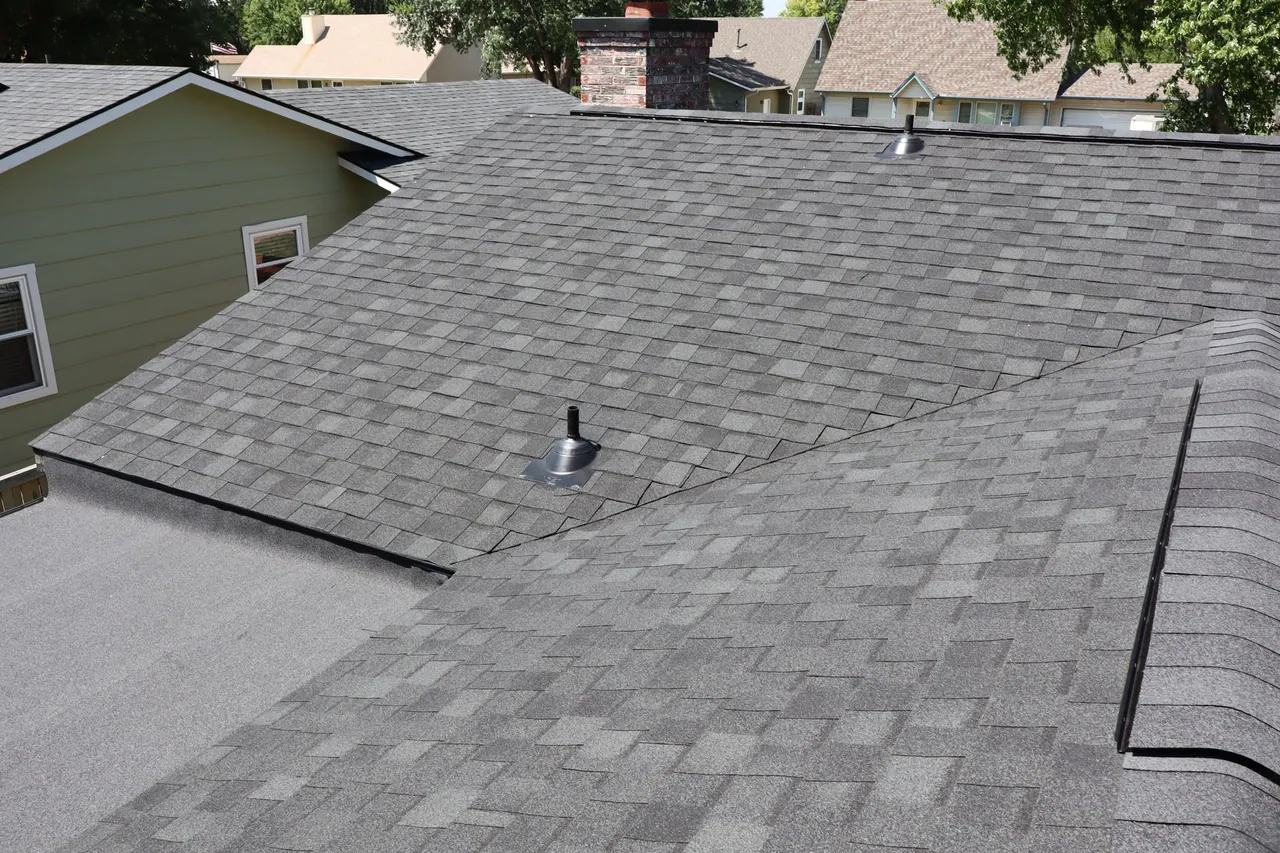
How Do You Assess Fascia Condition Before a Gutter Installation?
Assessing fascia condition before a gutter installation requires removing the existing gutters and physically probing the wood rather than relying on visual inspection from a ladder with the gutter channel in place. A screwdriver or awl pressed into the fascia at attachment points and at any location where paint is peeling or discolored will reveal soft, punky wood that will not hold a gutter screw under sustained load. Sections that appear painted and intact may still be deteriorated beneath the surface if moisture has been entering from behind the gutter for years without visible exterior symptoms. The soffit board directly below the fascia is often the first place deterioration becomes visible as dark staining or paint failure, and soffit condition is a useful leading indicator of what will be found when gutters are removed for full inspection. Our team conducts thorough free roof inspections that include fascia and soffit condition assessment to give Wichita homeowners a complete picture of eave health before any work begins.
What Materials Are Best for Fascia Replacement in Wichita’s Climate?
PVC cellular trim and composite wood products are the most durable choices for fascia replacement in Wichita’s climate because they do not absorb water, do not rot, and resist the repeated freeze-thaw cycling that splits conventional wood during Kansas winters. Solid wood fascia — typically 1-by-6 or 1-by-8 pine or fir — can be used when properly primed, painted, and maintained, but it requires more diligent long-term upkeep to prevent moisture infiltration at cut ends and nail penetrations. Engineered wood products such as fiber cement fascia offer dimensional stability and moisture resistance superior to solid wood, though they require careful sealing at cut ends to prevent moisture wicking into the substrate. Whatever material is chosen, installing a properly sized aluminum drip edge over the fascia top before shingling is the critical detail that directs water cleanly into the gutter rather than behind it. IBHS FORTIFIED Home standards emphasize proper eave and gutter attachment as a key resilience factor for homes in severe weather regions, which includes all of south-central Kansas, and selecting durable fascia materials is a direct contribution to meeting those standards.
How Does Fascia Condition Affect Roof Replacement Scope?
Fascia condition directly affects roof replacement scope because drip edge installation — a standard component of any professional roof replacement — must terminate over a sound, solid fascia to function correctly for the life of the new roof. Drip edge metal sits at the eave and directs water off the roof deck and over the fascia into the gutter channel. If the fascia behind it is rotted, the drip edge will eventually separate or allow water to run behind it even if it appears correctly installed at first inspection. Including fascia replacement in the roof replacement scope, rather than treating it as a deferred separate project, allows the drip edge to be installed properly the first time and eliminates the need to disturb new roofing material later to perform fascia work that was visible before installation began. Our residential roofing services include fascia and soffit condition evaluation as part of the full project scope on every replacement we perform in Wichita and surrounding communities.
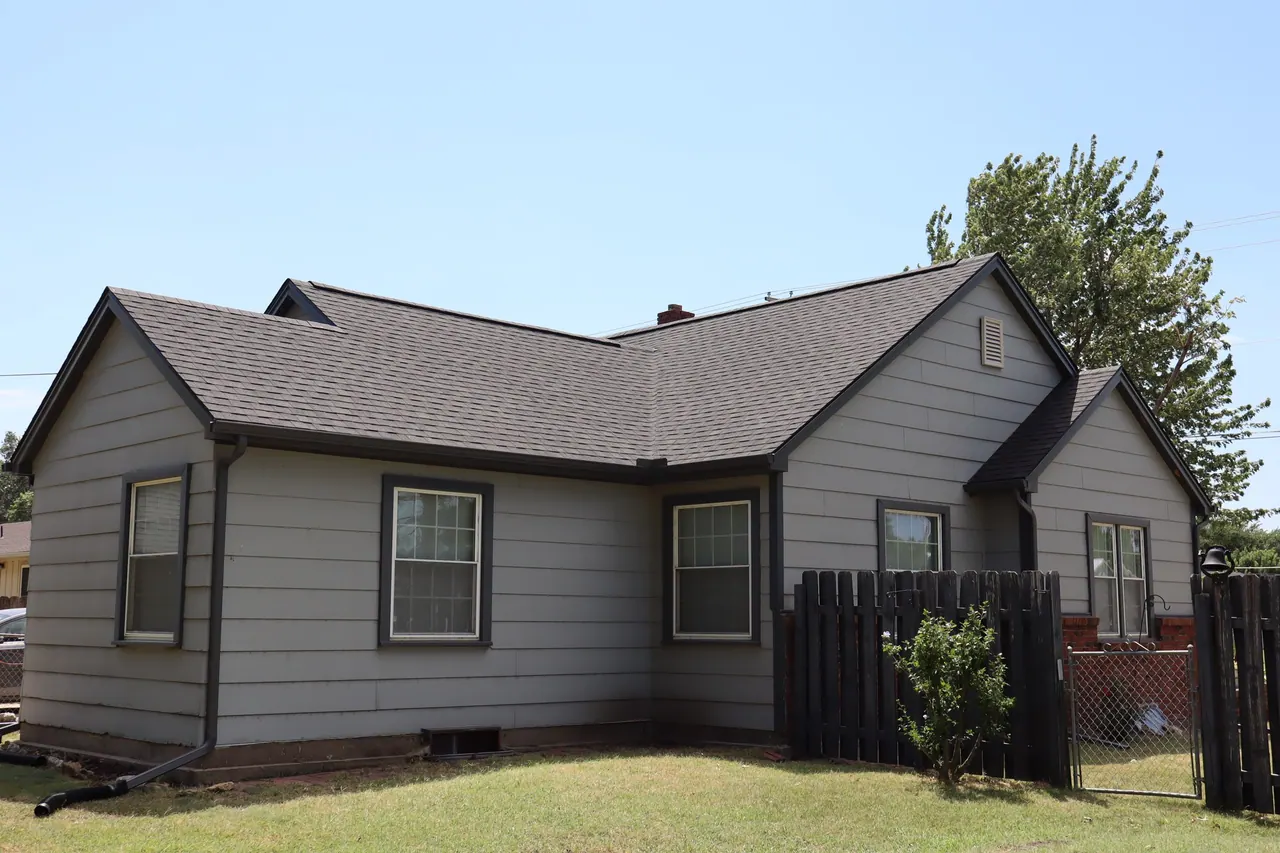
What Is the Correct Sequence for Fascia and Gutter Work in Wichita?
The correct sequence for combined fascia and gutter work in Wichita begins with removing existing gutters to expose the full fascia surface, then assessing and replacing any deteriorated fascia or soffit sections, then installing new drip edge over the repaired fascia, and finally installing new gutters at the appropriate size and pitch. If the work is being done in conjunction with a roof replacement, the sequence extends: strip old shingles, replace any rotted decking at the eave, install new drip edge over the repaired fascia, apply new roofing materials, and install new gutters as the final step. Compressing this sequence to reduce upfront cost — or skipping fascia inspection entirely — creates a callback scenario within one to three storm seasons. See our roof repair services page for how we coordinate these scopes, and our Wichita service area page for context on the specific construction ages and conditions we encounter most frequently across Sedgwick County. Our field teams bring direct experience managing fascia and gutter sequencing across a wide range of residential construction types, and we build that knowledge into every project estimate we provide.
How Can Homeowners Protect New Fascia Long-Term in Wichita?
Protecting new fascia long-term in Wichita’s environment begins with proper gutter maintenance that prevents overflow from ever contacting the board in the first place. Keeping gutters clear of debris, ensuring downspouts drain freely, and confirming that gutters maintain proper pitch after each storm season are the three most important maintenance behaviors for fascia longevity. Beyond gutter maintenance, inspecting fascia paint or finish annually and touching up any areas where the coating is chipping or cracking prevents moisture from entering through surface defects before they develop into structural deterioration. For homes with wood fascia, applying a penetrating wood preservative at cut ends during installation — and reapplication every five to seven years — provides meaningful additional protection against moisture infiltration at the most vulnerable points. FEMA’s residential resilience resources note that proactive maintenance of exterior drainage components is among the most effective strategies for reducing repetitive storm-related losses, a pattern that applies directly to the fascia-gutter system performance cycle in Wichita-area homes of all ages and construction types.
Trees, wind and Kansas gutters
Mature trees in older Wichita neighborhoods fill gutters with leaves and seed pods every season, and strong wind can loosen hangers. Guards and properly spaced hangers cut down on clogs and sagging.
Signs your gutters need attention
Walk the house during or right after a rain and look for these.
- Water spilling over the front edge
- Sagging runs or pulled-away hangers
- Peeling paint or rot on fascia boards
- Stains or erosion under the gutter line
- Downspouts that dump next to the foundation
- Rust spots, cracks or leaking seams
- Granules from shingles collecting in the trough
- Plants growing in the gutter
How we evaluate a gutter system
Gutters, roof edges and fascia work together, so we look at all three.
- Check flow. Pitch, outlets and downspout placement.
- Inspect the edge. Drip edge, fascia and soffit condition.
- Look for overflow clues. Stains, erosion and splash marks.
- Size the system. Match capacity to roof area and pitch.
- Recommend. Repair, replace, add guards, or fix fascia first.
Gutter mistakes we see often
- Installing new gutters on rotted fascia
- Downspouts that end at the foundation
- Too few hangers for Kansas wind
- Skipping guards under heavy tree cover
- Replacing gutters right before a roof replacement without coordinating the drip edge
What drives gutter cost
Linear footage, number of stories, downspout count, gutter size, guards, and any fascia repair needed underneath. Coordinating gutters with a roof replacement can save a second trip. Pricing is provided in writing after the inspection.
From our work: Two-Tone Ranch Replacement
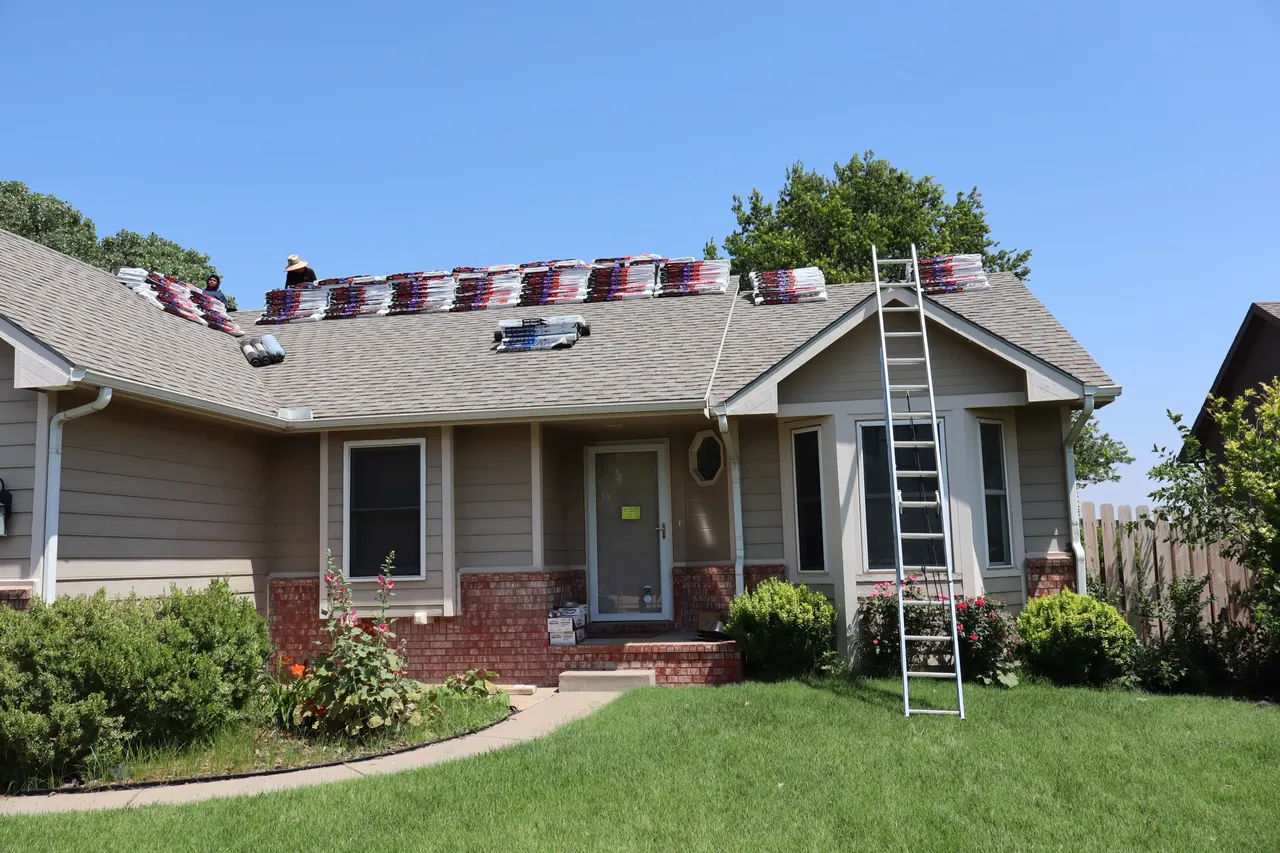
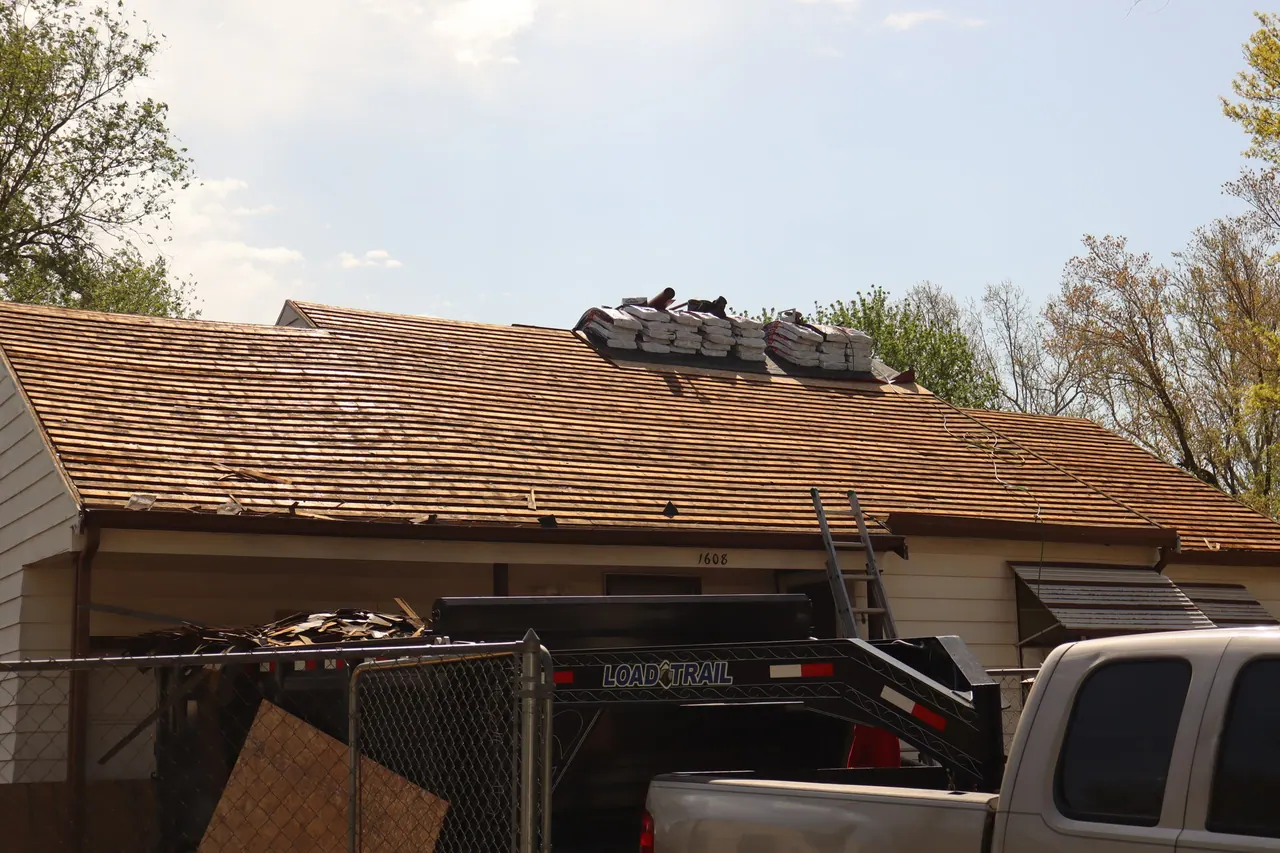
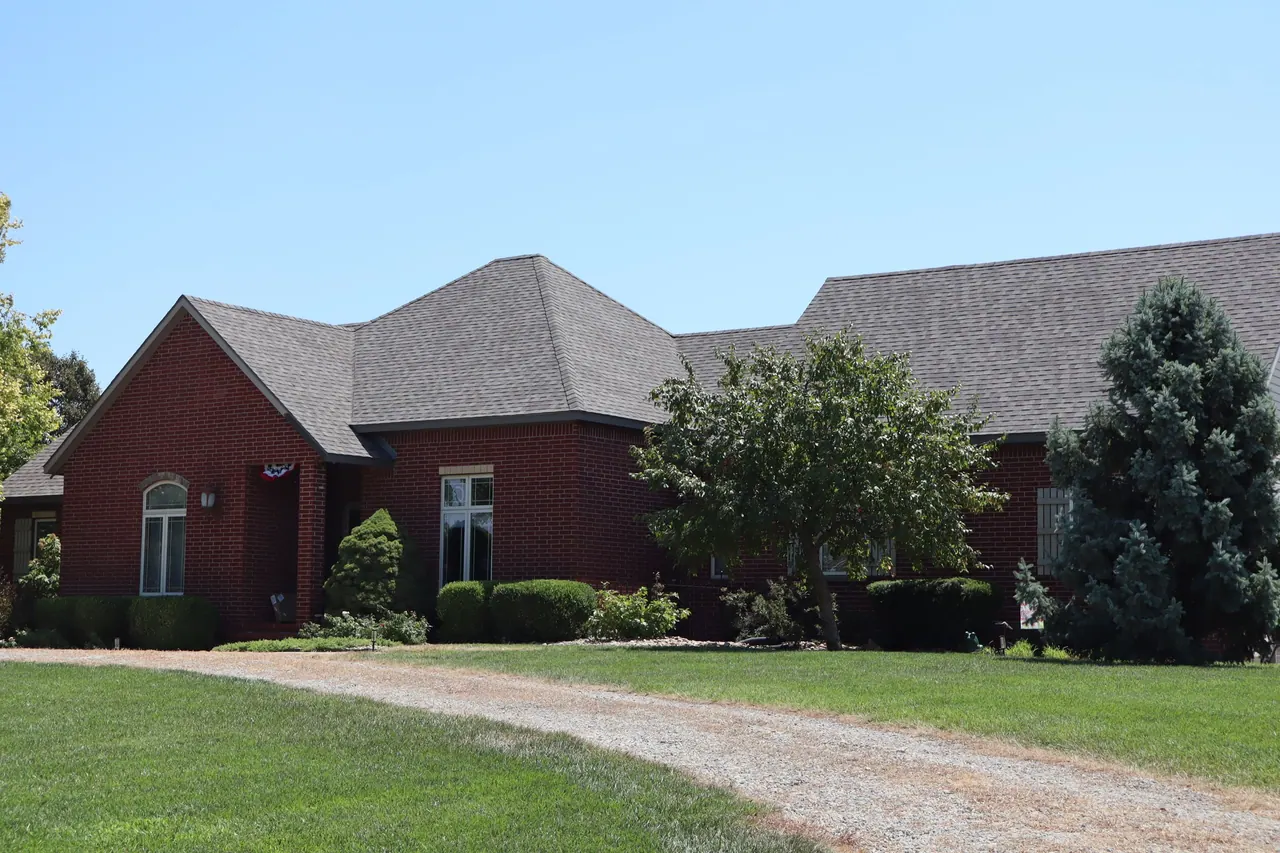
A brick and gray-siding ranch home during replacement: tear-off, crew setup, materials on site and the new architectural shingles going on.
When Should Wichita Homeowners Replace Fascia Before New Gutters? The honest answer depends on your roof’s age, material and the damage we can document. A free inspection from Wichita Roofing Pros gives you photos, a plain-English explanation and a written next step — with no obligation. Hablamos Español.
Schedule a Free Roof InspectionCall (316) 742-1900Frequently Asked Questions About Fascia Replacement in Wichita
Can I paint over deteriorated fascia instead of replacing it?
No. Painting over soft or rotted fascia seals moisture inside the wood rather than stopping deterioration. The paint film will fail within one to two seasons as the rotted substrate beneath it continues to move and compress under load. Replacement is the only reliable correction for deteriorated fascia regardless of how sound the surface appears after fresh paint is applied over it.
How long does fascia replacement typically take on a Wichita home?
Fascia replacement on a typical Wichita ranch home or two-story residence takes one to two days depending on the extent of replacement needed and whether soffit work is included. Homes where only one or two sections are deteriorated can be completed in a few hours as part of a combined gutter installation visit, while full perimeter fascia replacement on a larger home is a full-day project.
Is fascia replacement covered by homeowners insurance after hail damage?
Fascia damage caused by a specific storm event — such as wind forcing water behind gutters or hail impacting exposed fascia trim — may be covered under a homeowners insurance claim. Gradual deterioration from years of gutter overflow is typically classified as a maintenance issue and excluded from coverage. Documenting fascia condition before and after major storms helps establish whether damage is sudden or incremental when a claim is evaluated by an adjuster.
What is the difference between fascia and soffit?
The fascia is the vertical board running along the eave that faces outward and provides the attachment surface for gutters. The soffit is the horizontal surface beneath the eave that covers the underside of the rafter tails between the fascia and the exterior wall. Both components enclose the eave assembly, and both are susceptible to moisture damage when gutters overflow or allow water to migrate behind them.
Should I replace soffit at the same time as fascia?
If soffit shows any staining, softness, or paint failure when fascia is being replaced, replacing both simultaneously is strongly advisable. The labor cost of accessing and working at eave height is the largest component of both projects, and combining them eliminates the need to return to the same scaffold or ladder access points for a second round of work. If the soffit is structurally sound and properly ventilated, it can remain in place, but any visible moisture damage warrants simultaneous replacement.
Do you install gutters with roof replacements?
Yes. Wichita Roofing Pros installs gutters and guards and can coordinate them with your roof.
Should I replace gutters before or after a new roof?
Usually after, or at the same time, so the drip edge and gutter line up correctly.
Are gutter guards worth it in Wichita?
For homes under trees, guards can significantly reduce clogs and overflow.