
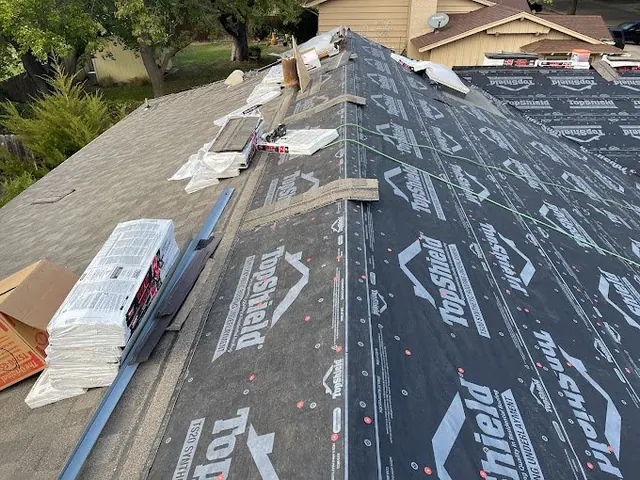
Quick answerBefore a Wichita roof replacement, homeowners should address four categories of exterior repairs: fascia and soffit structural integrity, gutter system sizing and condition, siding at all roof-wall junctions, and attic ventilation adequacy. Each component either directly supports the new roof or affects its long-term performance.
A roof replacement is one of the largest investments most Wichita homeowners make in the life of their property, and the decisions made in the weeks before installation begins have as much influence on long-term outcome as the roofing material itself. Exterior components that interact directly with the roof system — gutters, fascia, siding at roof-wall junctions, soffit, and attic ventilation — must be in sound condition when the new roof goes on. Installing premium roofing material over deteriorated fascia, failed step flashing, or inadequate ventilation produces a system that will underperform its rated service life from day one, often in ways that are difficult to trace back to the pre-existing conditions that caused the failure. Wichita’s climate, which combines severe hail, wind-driven rain, intense summer heat, and hard winter temperature cycling, puts every exterior component under significant stress, which means pre-replacement assessment and repair must be taken seriously rather than treated as optional scope padding.
What Exterior Repairs Should Come Before a Wichita Roof Replacement?
Before a Wichita roof replacement, homeowners should address four categories of exterior repairs: fascia and soffit structural integrity, gutter system sizing and condition, siding at all roof-wall junctions, and attic ventilation adequacy. Each component either directly supports the new roof or affects its long-term performance. Fascia that cannot hold gutter hardware will allow water to migrate behind the eave within one storm season. Undersized gutters that overflow will shorten new shingle life at the eave by keeping drip edge in chronic contact with overflow water. Failed step flashing at wall-to-roof intersections will produce leaks that appear to be roofing failures but are actually pre-existing flashing problems the new roof did not correct. And inadequate attic ventilation accelerates shingle aging from below through heat and moisture accumulation that the shingle manufacturer’s warranty rating does not account for under those conditions.
Worried about your roof?Wichita Roofing Pros will check it for free and explain what we find in plain words.Book a Free Inspection or call (316) 742-1900
Why Does Fascia Condition Matter Before a Roof Replacement?
Fascia condition matters before a roof replacement because drip edge installation — an essential component of any correctly executed residential roof — requires a solid, sound substrate to function for the life of the new material above it. Drip edge is the metal strip nailed along the eave and rake edges of the roof deck that directs water off the deck and over the fascia into the gutter. If the fascia behind the drip edge is soft, rotted, or pulling away from the rafter tails, the drip edge will not maintain contact with the board over time and will eventually allow water to run behind it and into the eave assembly. Installing new shingles over a compromised fascia means the new roof’s drip edge is already failing at installation, and the new material above it will exhibit premature granule loss and edge curling as moisture cycles through the eave from below. Fascia should be assessed by removing existing gutters before the replacement begins, not estimated from the ground through the existing gutter channel. Our free roof inspection includes gutter removal and fascia probing at any location where moisture damage is suspected before we write any project scope.
Failed step flashing at wall-to-roof intersections will produce leaks that appear to be roofing failures but are actually pre-existing flashing problems the new roof did not correct.
How Should Gutter Decisions Be Coordinated with Roof Replacement Timing?
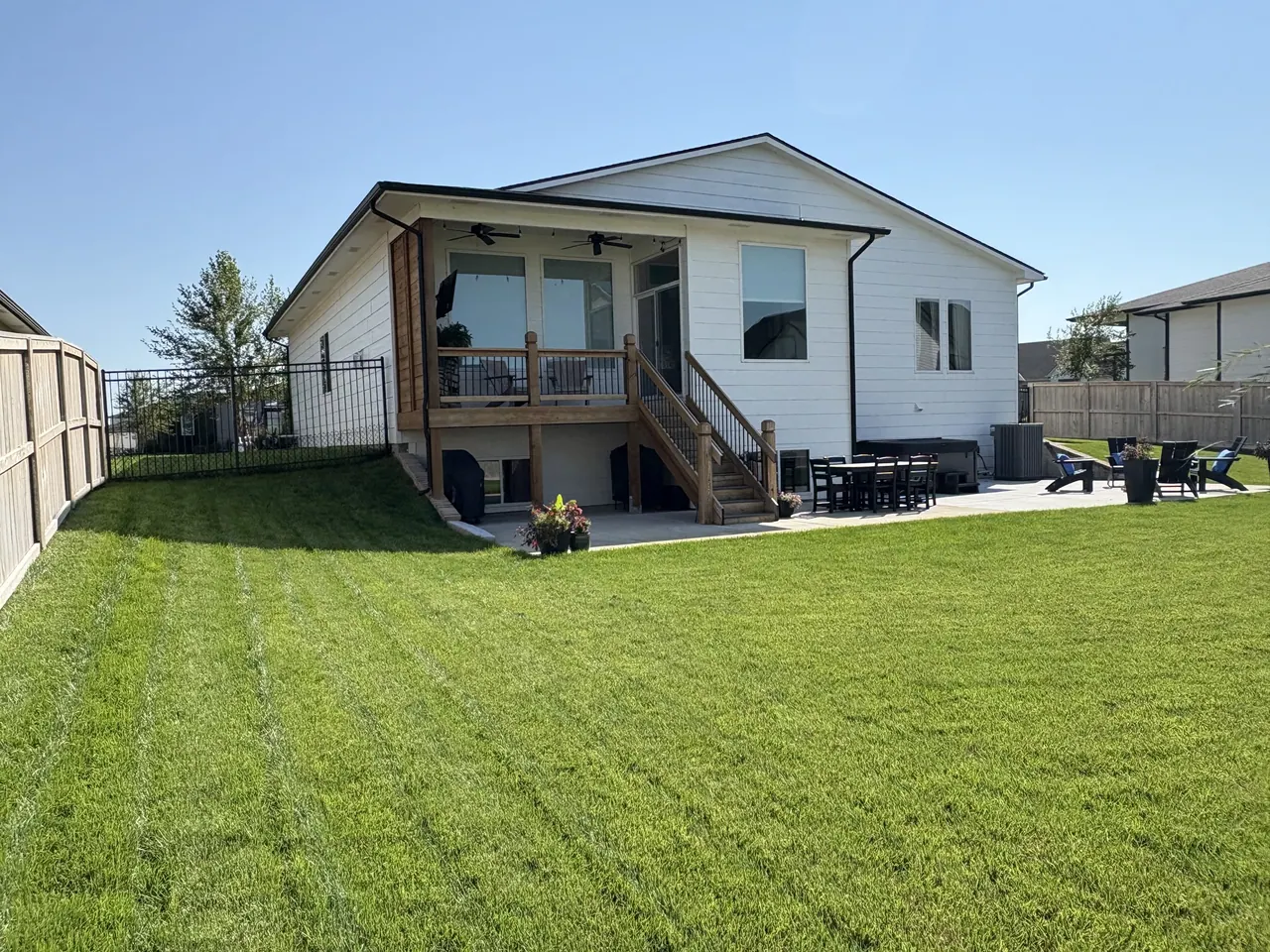
Gutter decisions should be made as part of the roof replacement planning process rather than treated as a completely separate project scheduled after the new roof is finished. The most practical approach is to assess gutter condition and sizing simultaneously with the roof replacement bid, and to include any gutter work within the same project timeline and crew mobilization. Replacing gutters after a new roof is installed requires working around finished roofing material and new drip edge, which increases the risk of incidental damage to newly installed components. More importantly, if new gutters are needed, the sizing decision should account for the full roof drainage design rather than simply matching what was previously installed. Wichita’s rainfall intensity data — documented by the National Weather Service Wichita — supports upsizing to 6-inch gutters on most residential properties, and doing so at the same time as a roof replacement eliminates a costly return mobilization. Our residential roofing team coordinates roof and gutter scopes so that both components are installed in the correct sequence and at the correct sizing for each specific home.
What Siding Repairs at Roof-Wall Junctions Should Precede a New Roof?
Siding repairs at roof-wall junctions — locations where a vertical wall surface meets a sloped roof, such as dormers, porch roofs, and additions — should be completed or fully scoped before a new roof is installed because the step flashing at these junctions is an integral part of the new roof system itself. Step flashing is installed interleaved with shingle courses and runs behind the siding, which means that if siding must be replaced after the new roof is finished, the roofing material near the junction must be disturbed to allow correct step flashing installation. Existing siding at these junctions should be examined for correct flashing detail — metal step flashing running behind the siding, not just a bead of caulk at the joint — and for hail damage, cracking, or separation that would allow water entry above the new roof flashing. IBHS FORTIFIED Home standards specify wall-to-roof junction details as a critical water intrusion control point, and meeting those standards on a new installation requires that the wall side of the junction be in sound condition before roofing begins. Our team across Sedgwick County projects identifies and coordinates these details so they are resolved before installation rather than after.
How Does Attic Ventilation Affect a New Roof’s Performance in Wichita?
Attic ventilation affects a new roof’s performance in Wichita directly through the temperature and moisture environment on the underside of the roof deck. Insufficient exhaust ventilation at the ridge allows heat to accumulate in the attic during Wichita’s summer months when exterior temperatures regularly exceed 95 degrees Fahrenheit, driving shingle temperatures well above manufacturer-rated limits and accelerating granule loss and premature cracking. The result is shortened shingle life that typically manifests within five to eight years rather than the fifteen to twenty years a properly installed shingle under correct ventilation conditions should provide. In winter, inadequate ventilation allows warm moist air from the living space to condense on the cold roof deck, producing mold, deck deterioration, and ice dams at the eave when temperatures cycle below freezing. ENERGY STAR’s guidance on roofing systems recognizes proper attic ventilation as a fundamental factor in both energy performance and roofing material longevity. Correcting ventilation before a new roof is installed — rather than hoping the new roof compensates for structural ventilation deficiencies — is the approach that protects the warranty and the material investment. Our roof repair and replacement team assesses attic ventilation as a standard component of every full replacement scope we develop for Wichita homeowners.
Should Wichita Homeowners Address Soffit Damage Before a Roof Replacement?
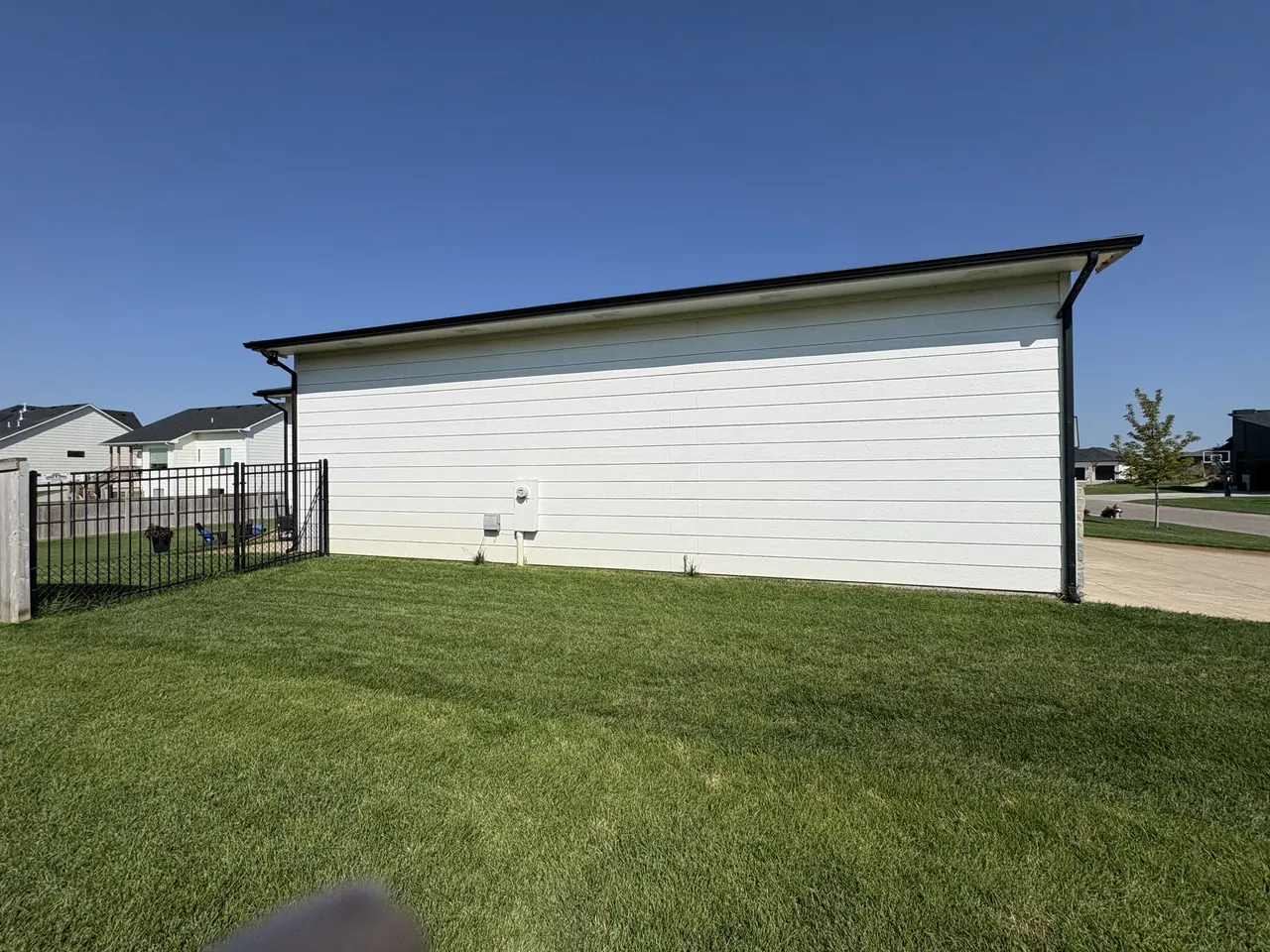
Soffit damage should be addressed before a roof replacement whenever it affects ventilation function or involves deteriorated wood that could allow moisture into the eave assembly behind new roofing material. Soffit panels that are physically intact but have blocked vent openings — from paint overspray, debris accumulation, or attic insulation pushed against them — restrict intake airflow and undermine the balanced ventilation system the new roof depends on. Rotted soffit sections adjacent to deteriorated fascia are often found together, and replacing both simultaneously while the crew is already working at eave height is the most efficient and cost-effective approach. Homes with aluminum or vinyl replacement soffit installed over original wood soffit should be checked to confirm that original ventilation openings are still functional beneath the overlay, as this construction combination is common in Wichita’s older neighborhoods and frequently results in blocked intake ventilation that appears adequate from the ground but is not. Confirming soffit ventilation function before a new roof is installed ensures that the manufacturer’s ventilation requirements are met from the first day the new roofing material is in service, preserving both the warranty and the performance the new roof was purchased to deliver.
What Is the Right Way to Sequence Exterior Repairs Around a Wichita Roof Replacement?
The correct sequencing of exterior repairs around a Wichita roof replacement follows a logical order determined by which work is covered or constrained by subsequent work. Attic ventilation corrections — ridge vent upgrades, additional soffit intake, or correction of blocked existing ventilation — happen before new roofing because ridge vent is integrated into shingle installation at the peak. Fascia replacement happens before new drip edge is installed at the eave. Siding repairs at roof-wall junctions happen during or immediately after step flashing installation, since both components must be correctly lapped with each other to function. Gutter installation happens last, after drip edge is in place and roofing material is complete, to ensure gutters attach to sound finished fascia and correctly capture water exiting the drip edge. Attempting to compress this sequence or skip individual steps to reduce upfront cost produces callbacks, warranty disputes, and leaks that a correctly ordered scope would have prevented. FEMA’s guidance on residential storm mitigation emphasizes that whole-system resilience requires all exterior envelope components to work together rather than being addressed in isolation. Visit our Wichita service area page for more on how we approach full exterior replacement projects across Sedgwick County. Wichita Roofing Pros has developed systematic project sequences across hundreds of local homes — the kind of field knowledge that only comes from managing what happens when these steps are done correctly and what happens when they are not.
Why Wichita siding takes a beating
Hail, wind-blown debris and big temperature swings are hard on siding. Cracks and loose panels let wind-driven rain behind the wall, and damage near rooflines can show up as roof-edge leaks.
Siding materials compared
The two most common choices for Wichita homes.
| Material | Strengths | Considerations |
|---|---|---|
| Vinyl siding | Low maintenance, many colors, budget-friendly | Can crack in hard hail or cold impacts |
| LP SmartSide engineered wood | Impact resistance, wood look, paintable | Needs paint upkeep over time |
| Trim, soffit and fascia | Finishes edges and vents the attic | Rot here often signals water problems |
How we evaluate siding damage
We look beyond the panel to the water path behind it.
- Walk every elevation. Note cracks, dents and gaps.
- Check transitions. Windows, doors, roof lines and kick-out flashing.
- Probe soft spots. Look for swelling or rot.
- Review trim and soffit. Ventilation and edge condition.
- Recommend. Patch, section replace or full re-side.
Siding mistakes to avoid
- Patching siding without fixing the flashing behind it
- Mixing panel profiles that do not match
- Ignoring rotted trim before new gutters
- Covering soffit vents
- Waiting until interior walls stain
What affects siding cost
Wall area, material, number of stories, trim and soffit work, and any sheathing repair. Matching existing siding can limit patch options. You receive a written scope and price after the inspection.
From our work: White Lap Siding Exterior
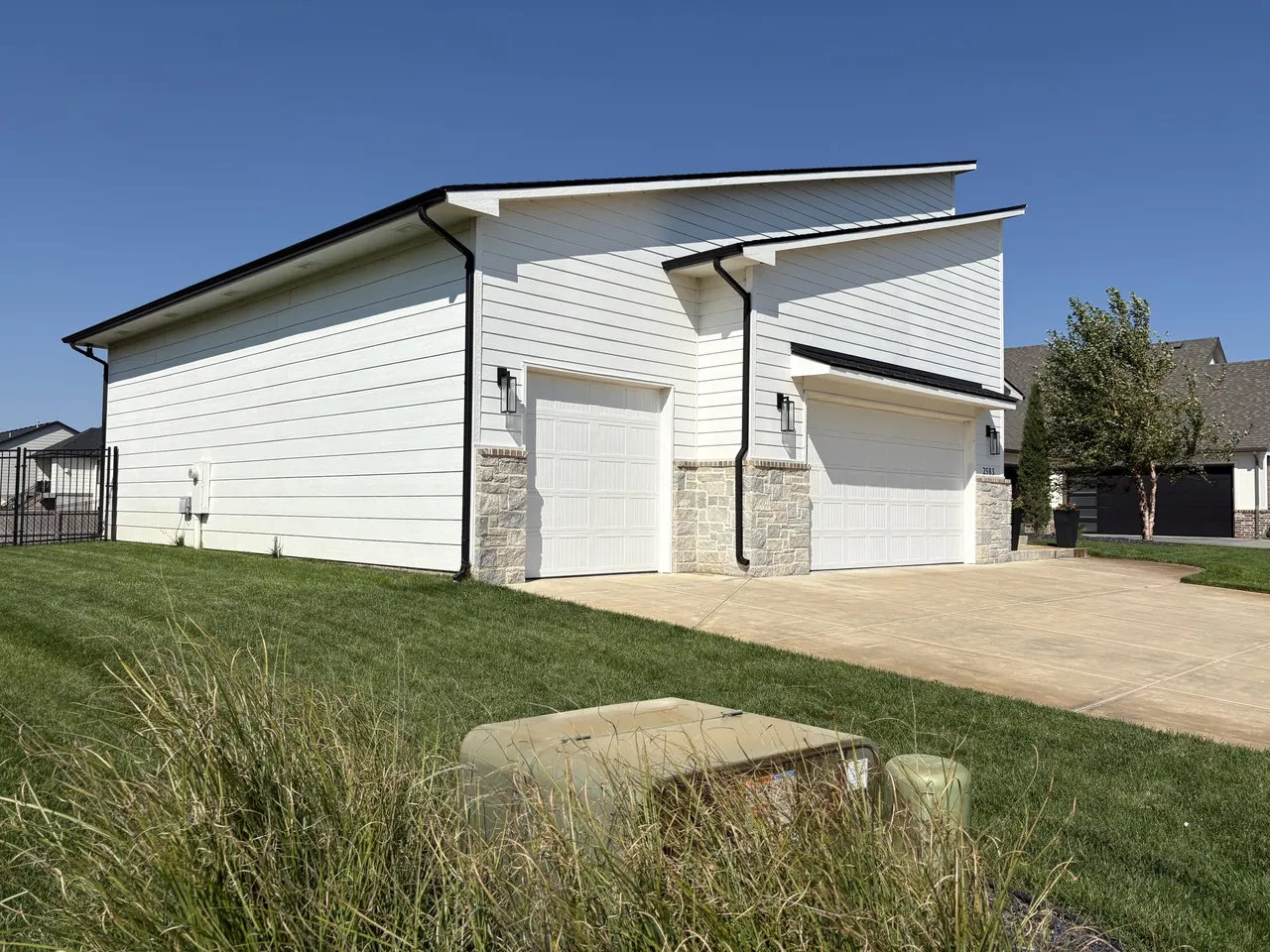
A modern home finished in clean white lap siding, photographed from several angles after completion.
What Exterior Repairs Should Come Before a Wichita Roof Replacement? The honest answer depends on your roof’s age, material and the damage we can document. A free inspection from Wichita Roofing Pros gives you photos, a plain-English explanation and a written next step — with no obligation. Hablamos Español.
Schedule a Free Roof InspectionCall (316) 742-1900Frequently Asked Questions About Exterior Repairs Before Roof Replacement in Wichita
Will my roofer automatically check fascia and soffit before replacing my roof?
Not always. Some contractors proceed directly to installation without a thorough pre-installation assessment of fascia, soffit, and ventilation. Homeowners should specifically ask whether the contractor will remove gutters and probe fascia before work begins, and whether deteriorated wood will be replaced as part of the base scope. Contracts should identify what happens if deteriorated wood is discovered mid-installation — whether the cost is included or a change order.
Does replacing the roof first and gutters later cause problems?
Replacing the roof and scheduling gutters as a separate later project creates a window where new drip edge may be disturbed or damaged during subsequent gutter installation. It also means the gutter installer may not assess fascia condition as carefully, since fascia is not their primary project focus. Coordinating both in one scope avoids these gaps and is typically more cost-effective given shared labor mobilization across the combined project.
How do I know if my attic has adequate ventilation before a roof replacement?
A contractor performing a pre-replacement inspection should calculate the net free area of existing intake and exhaust ventilation and compare it to the one-per-150-square-feet minimum standard. Homeowners can also observe for attic heat accumulation in summer or moisture staining on decking near the ridge or eave in winter — both indicators of inadequate ventilation that should be corrected before new roofing is installed.
Can exterior repair needs affect the timing of a Wichita roof replacement project?
Yes. Significant fascia replacement, siding repairs at junctions, or ventilation corrections extend the project timeline beyond a standard one- to two-day shingle replacement. Homeowners should factor this into project scheduling, particularly around Wichita’s spring storm season when scheduling demand peaks and lead times extend across all roofing trades throughout the Sedgwick County market.
What is the most commonly skipped exterior repair before a Wichita roof replacement?
Attic ventilation correction is the most commonly skipped repair. Because ventilation deficiencies are invisible from the exterior and do not affect the appearance of a freshly installed roof, they are frequently omitted from replacement scope discussions. The consequences — accelerated shingle aging, deck moisture, and potential warranty complications — only become apparent years later when the roof begins performing well below its expected service life for reasons that trace back to conditions present before installation began.
Do you replace soffit and fascia?
Yes. Wichita Roofing Pros repairs and replaces soffit, fascia and trim.
Should siding be done before or after a roof?
Usually the roof first, then siding and gutters, so flashing and edges tie in correctly.
Can siding damage cause roof leaks?
Yes. Gaps at roof-wall transitions and missing kick-out flashing can send water into walls and roof edges.




