
Quick answerRoof ventilation in Wichita KS matters because Sedgwick County summers routinely push attic temperatures above 140°F in unventilated or under-ventilated spaces. At those temperatures, asphalt shingles bake from both sides — solar heat from above and trapped radiant heat from below — shortening their effective lifespan by years.
Roof ventilation is one of the most overlooked systems on a Wichita home, and it becomes critically important as temperatures climb into the 90s and 100s each summer. An attic that cannot exhaust heat properly accelerates shingle deterioration, drives up cooling costs, and can void manufacturer warranties on roofing materials. Getting roof ventilation in Wichita KS checked before Memorial Day rather than in mid-July — when problems are already visible — is the kind of proactive maintenance that separates roofs that last 25 years from those that need premature replacement. This guide explains what proper roof ventilation looks like, how Wichita’s climate stresses the system, and what inspectors look for during a pre-summer evaluation.
Why Does Roof Ventilation Matter So Much in Wichita, KS?
Roof ventilation in Wichita KS matters because Sedgwick County summers routinely push attic temperatures above 140°F in unventilated or under-ventilated spaces. At those temperatures, asphalt shingles bake from both sides — solar heat from above and trapped radiant heat from below — shortening their effective lifespan by years. Heat-damaged shingles become brittle, lose granules faster, and crack along the tab lines, creating pathways for water intrusion during the thunderstorms that define late spring and early summer in south-central Kansas. Proper ventilation balances intake air, typically through soffit vents, with exhaust air through ridge vents, box vents, or powered attic fans, creating continuous airflow that keeps attic temperatures within 10 to 20 degrees of outdoor ambient. This airflow prevents the heat accumulation cycle that degrades both roofing materials and the structural wood underneath them. Our team at Free Roof Inspection in Wichita checks ventilation balance as part of every pre-summer evaluation.
Worried about your roof?Wichita Roofing Pros will check it for free and explain what we find in plain words.Book a Free Inspection or call (316) 742-1900
What Are the Signs of Poor Roof Ventilation in a Wichita Home?
Wichita homeowners can spot several warning signs without climbing onto the roof. Inside the home, unusually high cooling bills in May or June — before the peak summer heat — often indicate an attic that is trapping heat and radiating it down into living spaces. Upstairs rooms that are noticeably hotter than downstairs rooms, even with the HVAC system running consistently, point to the same problem. In the attic itself, a musty or stale odor when the hatch is opened suggests that moisture and heat are accumulating rather than exhausting. Visible rust on metal fasteners, darkened wood at ridge areas, or frost and condensation on the underside of the roof deck during late-winter cold snaps are evidence of chronically poor ventilation year-round. On the exterior, shingles that look wavy, cupped, or unusually worn within the first five to ten years of installation often reflect excessive heat cycling from below. Any of these signs warrants a full Residential Roofing inspection before summer loading begins.
Roof ventilation in Wichita KS matters because Sedgwick County summers routinely push attic temperatures above 140°F in unventilated or under-ventilated spaces.
How Is Roof Ventilation Balanced and Calculated for Wichita Homes?
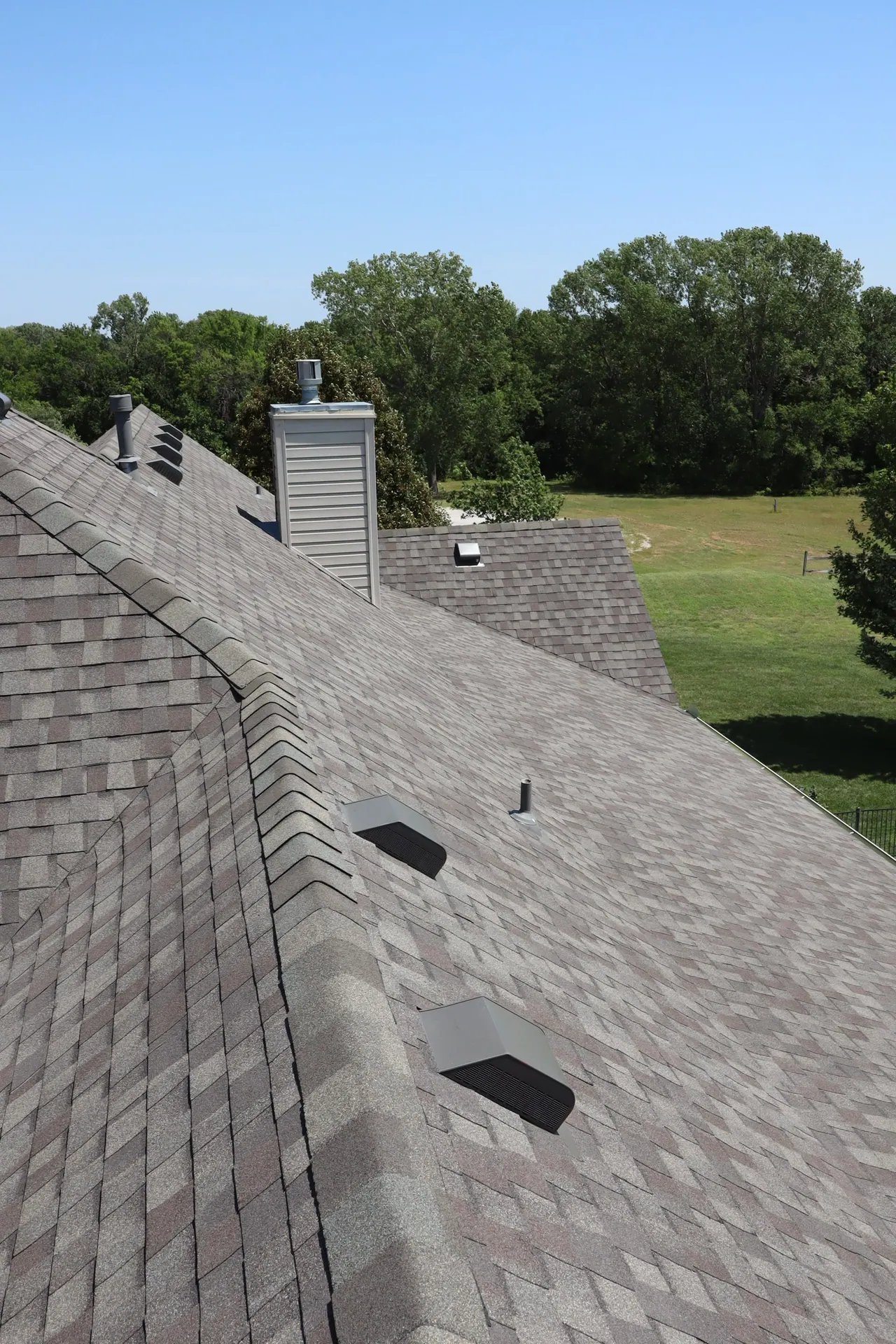
The standard ventilation calculation used across the industry is one square foot of net free ventilation area per 150 square feet of attic floor space, split evenly between intake and exhaust. For a typical Wichita ranch home with 1,400 square feet of attic floor, that means roughly 9.3 square feet of net free ventilation area total — about 4.7 square feet of soffit intake and 4.7 square feet of ridge or box-vent exhaust. Many older homes in Wichita’s established neighborhoods were built before modern ventilation codes and fall well short of this ratio. Inspectors measure existing vent openings, check for blocked soffit vents covered by insulation, and verify that ridge vents run continuously rather than in short interrupted sections. Insulation baffles at the eave edges are also examined because compressed or absent baffles allow insulation to block the intake airway entirely, eliminating soffit ventilation even when the vent openings themselves are open and unobstructed. In some cases, adding a single continuous ridge vent can resolve an imbalance without any other changes to the roof. The ENERGY STAR Roof Products program provides guidance on how ventilation and roofing material choices interact to reduce attic heat gain across climate zones similar to Kansas.
Does Roof Ventilation Affect Shingle Warranty in Wichita?
Yes — most major shingle manufacturers include ventilation requirements as a condition of their limited warranty coverage. Owens Corning, GAF, and CertainTeed all specify minimum ventilation ratios in their warranty documentation, and failure to meet those ratios can void coverage for heat-related failures such as granule loss, blistering, and premature cracking. In practice, this means a Wichita homeowner who had a roof replaced in 2020 with a 30-year architectural shingle warranty could find that warranty unenforceable if a 2026 inspection reveals inadequate attic ventilation was present throughout. Documenting ventilation adequacy at the time of installation — or correcting it soon after — protects that warranty investment against future disputes. When a homeowner cannot locate original installation documentation, a current inspection can establish whether the system meets specification and provide a baseline record going forward. Our Roof Replacement in Wichita projects include ventilation evaluation and correction as a standard scope item so homeowners start their new warranty period in full compliance.
Can Bad Roof Ventilation Cause Leaks in Wichita Winters?
Poor ventilation contributes to winter leak risk in two distinct ways. First, warm air from living spaces rises into an inadequately ventilated attic and carries moisture with it. That moisture condenses on cold roof decking and can saturate insulation over repeated cold spells, a process that slowly degrades decking integrity from the inside out without any exterior breach. Second, in cold winters with snowfall, an overly warm attic melts snow on the roof surface from below, which then refreezes at the cold eaves before it can drain. While Wichita does not experience the persistent ice dam conditions of northern climates, freeze-thaw cycles in January and February can still allow meltwater to back up under shingles at the eave edge and enter the wall or attic cavity. Correcting ventilation before summer also means the system functions correctly going into the following winter heating season. For homes that have experienced interior moisture issues without an obvious exterior leak source, our Leak Detection and Repair in Wichita team can evaluate whether attic condensation from ventilation deficiency is a contributing factor.
What Happens During a Roof Ventilation Inspection in Wichita?
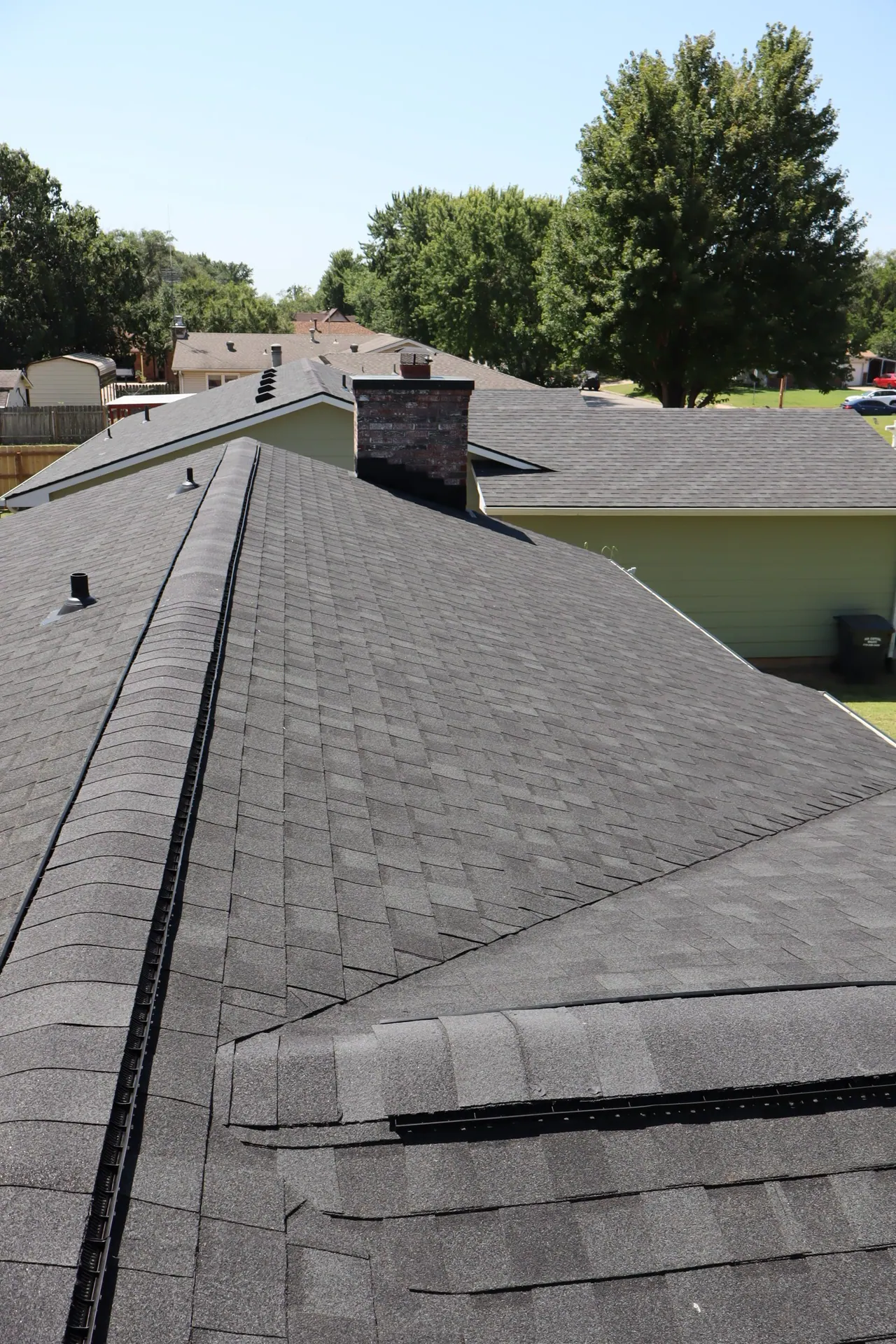
A thorough pre-summer ventilation inspection in Wichita covers both the exterior and the attic interior. On the exterior, the inspector examines ridge vent continuity and condition, checks that box vents are clear of debris and functioning, verifies that soffit vents are open and unobstructed along the full eave run, and looks for signs of heat-related shingle damage consistent with poor ventilation such as cupping, blistering, or premature granule loss. In the attic, the inspector checks insulation depth and placement, particularly whether insulation baffles are installed to keep soffit intake pathways clear at every rafter bay. The inspector also measures or estimates the net free vent area, checks for moisture indicators such as staining, mold, or rust on fasteners, and examines any powered attic fans for correct thermostat settings and motor function. The inspection also notes whether bath or kitchen exhaust fans terminate inside the attic — a common code violation in older Wichita homes that adds significant moisture load to an attic that may already have marginal ventilation. A written summary with specific corrective recommendations is the expected deliverable from a complete inspection. Schedule yours through our Free Roof Inspection page and get ahead of Wichita’s summer heat before it does measurable damage to your roofing system.
Are There Energy Savings From Improving Roof Ventilation in Wichita?
Properly ventilated attics can meaningfully reduce cooling loads for Wichita homes. When attic temperatures are kept closer to outdoor ambient instead of climbing 40 to 50 degrees above it, the ceiling assembly between the attic and living space transfers less radiant heat into conditioned areas below. The result is that HVAC systems run shorter cycles, consume less electricity, and experience less compressor wear during the peak July and August weeks when Wichita utility bills are highest. Studies on attic thermal performance consistently show that reducing attic air temperature through ventilation improvement can reduce ceiling heat transfer significantly in hot-climate applications, and Wichita’s summer profile places it in a climate zone where these gains are achievable. The combination of lower cooling costs, extended shingle life due to reduced heat cycling, and maintained shingle warranty compliance means ventilation improvements often offer a favorable return on investment for Wichita homeowners planning to stay in their home for five or more years. For homes in established Wichita neighborhoods like College Hill, Riverside, or the northeast quadrant where older construction used minimum-code ventilation designs, upgrades frequently make a noticeable difference in both comfort and utility costs within the first complete summer season after the improvement is made. Our Wichita service area team can walk through the specific improvements that make the most difference for your roof type, attic configuration, and home orientation.
A simple Wichita roof maintenance calendar
Spring: inspect after storm season starts and clear gutters. Summer: check attic ventilation and heat damage. Fall: clear leaves and check flashing before freeze-thaw. Winter: watch for ice dams and attic moisture. After any major storm: get a free inspection.
Homeowner maintenance checklist for Wichita homeowners
Do these from the ground or attic; leave the roof itself to a pro.
- Clear gutters and downspouts twice a year
- Trim branches away from the roof
- Look for missing or lifted shingles after wind
- Check the attic for stains, damp insulation or daylight
- Make sure soffit and ridge vents are not blocked
- Watch for granules in gutters
- Check caulk and flashing around chimneys from the ground
- Schedule an inspection after major storms
When to schedule an inspection
A simple rule of thumb for Wichita homeowners.
| Trigger | Why it matters | Recommended timing |
|---|---|---|
| After hail or high wind | Hidden damage and claim deadlines | Within days |
| Before buying or selling | Disclosure and negotiation | Before listing or closing |
| Roof over 15 years old | Aging materials | Once a year |
| New stain or drip | Active water | Right away |
| Routine | Catch small issues | Spring and fall |
Maintenance mistakes that shorten roof life
- Pressure-washing shingles
- Walking on the roof in hot weather
- Blocking attic vents with insulation
- Letting gutters overflow
- Skipping post-storm checks
What maintenance costs, and what it saves
Inspections are free. Small repairs like resealing flashing or replacing a pipe boot cost far less than decking and interior repairs after a long-term leak. We price every repair in writing first.
From our work: Red Shingle Roof Flyover
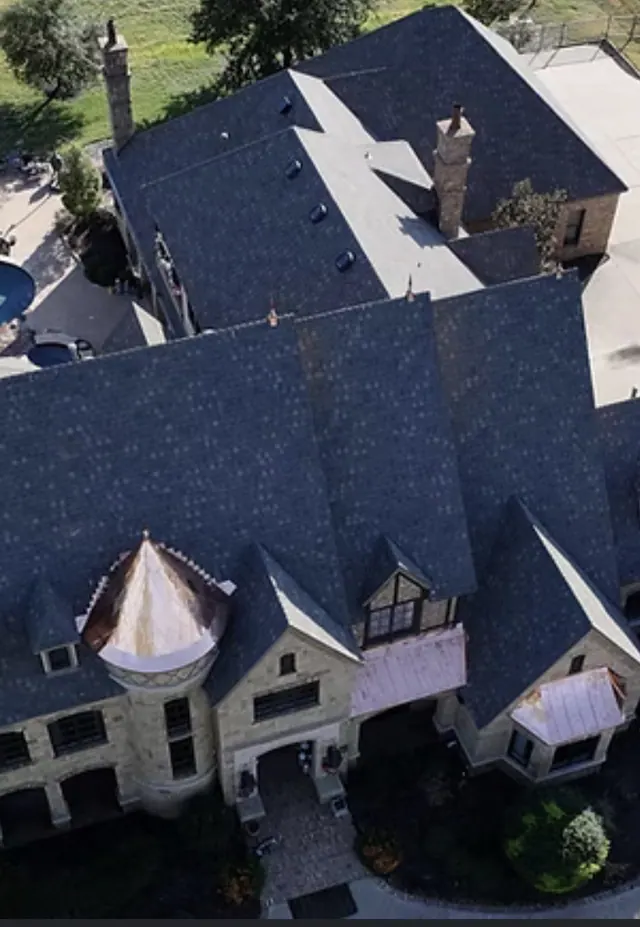
A drone flyover of a finished red shingle roof on a Victorian-style home, plus a second flyover of a finished gray roof.
Should Wichita Homes Get Roof Ventilation Checked Before Summer? The honest answer depends on your roof’s age, material and the damage we can document. A free inspection from Wichita Roofing Pros gives you photos, a plain-English explanation and a written next step — with no obligation. Hablamos Español.
Schedule a Free Roof InspectionCall (316) 742-1900Frequently Asked Questions About Roof Ventilation in Wichita KS
How many vents does a typical Wichita home need?
Most single-story Wichita homes with 1,200 to 1,600 square feet of attic floor space need approximately 8 to 11 square feet of net free ventilation area, split between soffit intake and ridge or box exhaust. Actual vent counts depend on the size and type of vent used; a qualified inspector can assess your specific configuration and identify any shortfall.
Can I add roof ventilation without replacing my shingles?
In most cases yes. Adding soffit vents, extending a ridge vent, or installing additional box vents can be done without disturbing intact shingles in good condition. The work is typically modest in scope and can be completed in a day for most Wichita homes, making it a cost-effective standalone project when shingles are otherwise performing well.
Does a ridge vent work better than box vents for Wichita homes?
Continuous ridge vents generally outperform individual box vents because they allow exhaust airflow across the entire ridge length rather than at isolated points. In Wichita’s variable wind conditions, ridge vents also tend to perform more consistently than wind-driven turbine vents, which depend on sufficient wind speed to function as designed.
Will better ventilation help with high upstairs temperatures in summer?
It often contributes significantly. If the attic is radiating stored heat down through the ceiling, upper-floor rooms stay warm even with air conditioning running at full capacity. Improving ventilation reduces that radiant heat load, though paired insulation upgrades may also be warranted for the greatest temperature improvement in Wichita’s summer conditions.
Is a ventilation inspection different from a regular roof inspection?
A complete ventilation inspection includes attic access and interior evaluation that a basic exterior-only roof inspection may not cover. When scheduling with any roofing contractor in Wichita, ask specifically for an attic and ventilation assessment to ensure the interior component is included in the scope of work, not just an exterior shingle review. The interior assessment is often where the most actionable findings are made for Wichita homes that have never had a documented ventilation evaluation.
Do you inspect the attic?
When needed and accessible, we check for moisture, ventilation and decking issues.
Can I inspect my own roof?
You can check from the ground and attic. Leave the roof surface to a professional for safety.
What does attic ventilation do?
It releases heat and moisture, which protects shingles and decking and helps prevent ice dams.




