
Quick answerSpring is the highest-value maintenance window in Sedgwick County because it positions the roof system before peak severe weather season, which runs roughly from April through August, and allows any deterioration that developed over the winter months to be identified and repaired while installation conditions are favorable. The spring maintenance checklist should include a professional inspection that documents current shingle condition across all roof planes, checks every flashing point for winter-related movement or sealant separation, and confirms that all pipe boots are still intact and seated.
A roof that receives no scheduled attention between major storm events will fail earlier and cost more to repair than a roof maintained on a consistent annual cycle. In Sedgwick County, where the combination of frequent hail, high summer heat, deep temperature cycling from season to season, and periodic straight-line wind events compresses the effective service life of roofing materials, a structured yearly Roof maintenance plan is not optional housekeeping it is a direct investment in the longevity of the roof system and the structural integrity of everything below it. Homeowners across Wichita and the surrounding communities in Sedgwick County who commit to a documented annual maintenance routine consistently extend their roof’s service life, keep insurance claims clean and well-supported, and avoid the expensive reactive repairs that result from deferred maintenance compounding over several seasons. This guide builds a complete roof maintenance Sedgwick County KS calendar that any homeowner can follow, with clear seasonal tasks, professional inspection touchpoints, and documentation practices that support insurance claims and resale disclosures.
What Should Sedgwick County Homeowners Do for a Roof Maintenance Plan Each Spring?
Spring is the highest-value maintenance window in Sedgwick County because it positions the roof system before peak severe weather season, which runs roughly from April through August, and allows any deterioration that developed over the winter months to be identified and repaired while installation conditions are favorable. The spring maintenance checklist should include a professional inspection that documents current shingle condition across all roof planes, checks every flashing point for winter-related movement or sealant separation, and confirms that all pipe boots are still intact and seated. Clean all gutters and flush downspouts after winter debris accumulation to ensure full drainage capacity heading into heavy rain season. Inspect soffit vents and ridge vents for bird nest blockages or pest intrusion that would compromise balanced attic ventilation. Trim any tree branches overhanging the roof that could abrade shingle surfaces during high winds or concentrate organic debris in valleys. A documented spring inspection establishes a pre-storm-season baseline condition for the roof that is genuinely valuable if a hailstorm hits later that season and an insurance claim becomes necessary. Schedule the free roof inspection in March or April before the spring storm pattern develops. The roofing professionals who serve Sedgwick County communities bring direct hands-on experience with local storm patterns and the specific failure modes most common to this region’s housing stock, providing a more reliable assessment than a generalist contractor unfamiliar with Kansas weather conditions.
Worried about your roof?Wichita Roofing Pros will check it for free and explain what we find in plain words.Book a Free Inspection or call (316) 742-1900
What Summer Roof Maintenance Tasks Matter for Sedgwick County Homes?
Summer in Sedgwick County means sustained UV exposure, temperature extremes, and active severe weather throughout the season. Homeowners should monitor gutters at least monthly during storm season since leaf and debris accumulation can become heavy between cleanings when trees are fully leafed out and summer thunderstorms are dropping organic material onto the roof. After any confirmed severe weather event producing hail above three-quarters of an inch or wind gusts above 60 mph, a post-storm assessment should be added to the calendar promptly rather than waiting until fall. The NWS Wichita forecast office provides storm archive data, including hail size and wind speed reports at specific locations across the county, that are useful for verifying event details if insurance claim documentation becomes necessary. Mid-summer is also the right time to check attic conditions: excessive attic heat above 140 to 150 degrees Fahrenheit on a hot July afternoon indicates a ventilation imbalance that is degrading both shingles and decking from below. A simple attic thermometer reading during peak heat provides actionable information about ventilation health that exterior inspection alone cannot deliver. If ventilation deficiencies are identified, correcting them before the end of summer prevents another full season of accelerated shingle degradation. Wichita Roofing Pros can assess and address ventilation as a component of any scheduled roof repair visit to Sedgwick County properties, rather than requiring a separate service call.
What Roof Maintenance Should Sedgwick County Homeowners Complete Each Fall?
Fall maintenance closes the storm season documentation window and prepares the roof for winter conditions. Clean gutters thoroughly in October or November after deciduous trees have finished shedding clogged gutters that freeze in place during Kansas winters can cause significant weight and ice-related damage to gutter systems and the fascia boards they are attached to. Re-examine all flashings that were flagged as marginally intact during the spring inspection: any flashing showing minor lifting or sealant cracking should be addressed in fall while conditions still allow exterior sealant work to be performed correctly before freezing temperatures arrive. Check ridge caps and scan for any shingle tabs that were lifted by summer wind events but not completely displaced partially lifted tabs that are exposed to Kansas freeze-thaw cycles over winter will separate by spring, leaving the decking exposed. Inspect the attic for moisture staining that may have developed during the humid summer months; early fall is the right time to identify and address condensation-related issues before cold temperatures complicate both diagnosis and repair. Sedgwick County homeowners who experienced a hail event during the spring or summer but have not yet completed a professional inspection should schedule one in fall before standard one-year insurance claim windows begin to close. The storm and hail damage service page outlines the inspection and documentation process for events that went unassessed at the time they occurred.
What Winter Roof Maintenance Steps Apply to Sedgwick County Homes?
Kansas winters are milder than northern plains climates, but Sedgwick County homeowners still face meaningful roof risks from cold-season weather. Ice dams form along eave edges when heat loss through the attic melts snow on the upper, warmer roof sections and the meltwater refreezes at the colder, unheated overhang zone. The resulting ice wedges under shingles and starter courses, allowing water infiltration that only manifests as an interior ceiling stain after the ice melts sometimes weeks after the original event. The correct preventive measure is adequate attic insulation combined with balanced ventilation that keeps the roof deck temperature uniform from peak to eave, not heat cables, which treat the symptom without addressing the thermal cause. Heavy wet snow accumulation above 12 to 18 inches can approach or exceed the structural load design capacity of some older Sedgwick County homes; professional load assessment on unexamined aging structures is appropriate before the first heavy winter event of the season. Ice and water shield membrane installed in the eave zone during any re-roofing project provides long-term protection against ice dam moisture infiltration. For energy-efficient winter upgrades that also reduce heat loss through the roof assembly, the ENERGY STAR roofing products database includes insulation and roofing products rated for Kansas’s climate zone with potential federal tax incentive eligibility. Wichita Roofing Pros installs ice and water shield as a standard component on all Sedgwick County roof replacement projects.
How Should Sedgwick County Homeowners Keep Roof Maintenance Records?
A maintenance record is the documentation trail that proves your roof’s condition before a storm claim, supports seller disclosure obligations when the property is sold, and helps contractors identify recurring problem areas across multiple inspection cycles. At minimum, each maintenance or repair event should be recorded with the service date, the contractor name and contact information, the written scope of work performed, and before-and-after photos of the conditions addressed. Keep copies of all inspection reports, written repair estimates, executed contracts, approved insurance claim documents, and warranty certificates in a dedicated folder physical or digital organized by your property address. When storm events occur, the NWS storm archive record and any adjuster correspondence or claim paperwork should be added to the same property file. Properties with organized, complete maintenance records sell faster and with fewer buyer objections during inspection contingency periods because the condition history is transparent and verifiable. Sedgwick County homeowners who engage Wichita Roofing Pros for annual inspections receive a written report after each visit, building an automatic documentation trail without requiring the homeowner to maintain it manually. Reach the Wichita Roofing Pros team to begin or resume a scheduled annual maintenance program for your Sedgwick County property. For broader home documentation best practices applicable to disaster-prone regions, FEMA provides homeowner preparedness guidance relevant to Kansas weather exposure.
Trim any tree branches overhanging the roof that could abrade shingle surfaces during high winds or concentrate organic debris in valleys.
What Are the Most Cost-Effective Roof Maintenance Investments for Sedgwick County Homeowners?
Not all maintenance spending produces equal return on investment, and understanding which tasks deliver the highest protective value helps homeowners prioritize limited maintenance budgets. Pipe boot replacements cost $75 to $150 each and prevent recurring attic moisture intrusion that, left unaddressed, can damage insulation and framing components worth thousands of dollars. Valley re-flashing at $200 to $400 per valley prevents the most concentrated water flow locations on the roof from becoming chronic, difficult-to-trace leak sources. Sealing or replacing open step flashing along dormers and walls requires a few hours of labor and prevents cascading wood rot in the adjacent framing that would otherwise require structural repair at the time of roof replacement. Gutter cleaning twice per year at $100 to $200 per service visit prevents fascia rot, soffit moisture intrusion, and the foundation drainage problems that follow chronically blocked downspouts. For Sedgwick County homeowners who plan to replace their roof in the next one to three years, considering an impact-resistant Class 3 or Class 4 shingle upgrade is worth evaluating with the FORTIFIED Home program at fortifiedhome.org, which provides a structured framework for resilience upgrades some Kansas insurers recognize formally. A consistent annual maintenance program even a modest one materially reduces the total cost of roof ownership across a 25 to 30-year ownership period. If any maintenance visit uncovers active moisture entry that requires immediate attention, contact Leak Detection & Repair specialists to address it before the next rain event adds to the damage.
A simple Sedgwick County roof maintenance calendar
Spring: inspect after storm season starts and clear gutters. Summer: check attic ventilation and heat damage. Fall: clear leaves and check flashing before freeze-thaw. Winter: watch for ice dams and attic moisture. After any major storm: get a free inspection.
For homes and businesses in Sedgwick County, Wichita Roofing Pros provides free inspections from our office at 1809 S Hoover Rd in Wichita. See our Sedgwick County roofing page for local details.
When to schedule an inspection
A simple rule of thumb for Wichita homeowners.
| Trigger | Why it matters | Recommended timing |
|---|---|---|
| After hail or high wind | Hidden damage and claim deadlines | Within days |
| Before buying or selling | Disclosure and negotiation | Before listing or closing |
| Roof over 15 years old | Aging materials | Once a year |
| New stain or drip | Active water | Right away |
| Routine | Catch small issues | Spring and fall |
What happens during a free inspection
A clear, consistent process from start to finish.
- We listen. You tell us what you noticed.
- Exterior and roof check. Shingles, flashing, vents, valleys and gutters.
- Attic check when needed. Moisture, ventilation and decking.
- Photos. When access is safe.
- Written next step. Repair, replace or monitor, with no obligation.
Maintenance mistakes that shorten roof life
- Pressure-washing shingles
- Walking on the roof in hot weather
- Blocking attic vents with insulation
- Letting gutters overflow
- Skipping post-storm checks
What maintenance costs, and what it saves
Inspections are free. Small repairs like resealing flashing or replacing a pipe boot cost far less than decking and interior repairs after a long-term leak. We price every repair in writing first.
From our work: Red Shingle Roof Flyover
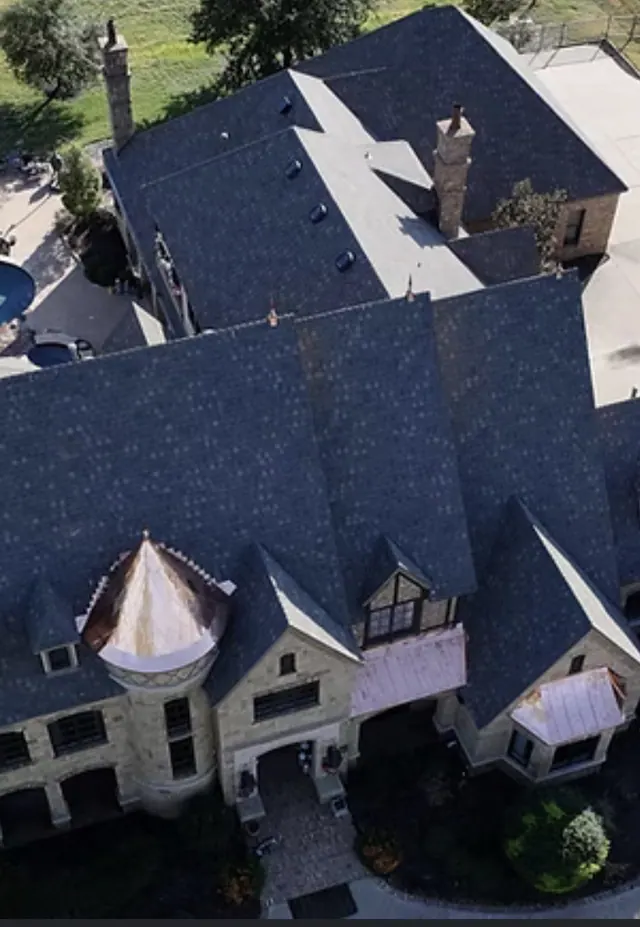
A drone flyover of a finished red shingle roof on a Victorian-style home, plus a second flyover of a finished gray roof.
How Can Sedgwick County Homeowners Build a Yearly Roof Maintenance Plan? The honest answer depends on your roof’s age, material and the damage we can document. A free inspection from Wichita Roofing Pros gives you photos, a plain-English explanation and a written next step — with no obligation. Hablamos Español.
Schedule a Free Roof InspectionCall (316) 742-1900Frequently Asked Questions: Roof Maintenance Sedgwick County KS
How often should Sedgwick County homeowners schedule professional roof inspections?
Once per year as a baseline minimum, plus an additional inspection following any storm event producing confirmed hail at or above three-quarters of an inch or sustained wind gusts above 60 mph. Annual professional inspections allow small problems cracked boots, lifted flashings, granule-depleted zones to be addressed before they compound into large repair costs or complicate insurance claim filings. Each written inspection report also adds to the property’s documented maintenance history, which has tangible value at resale.
What is the biggest roof maintenance mistake Sedgwick County homeowners make?
Deferring small repairs that are inexpensive when caught early but exponentially more costly when delayed. A cracked pipe boot, a few lifted shingle tabs, or a single open flashing joint each costs well under $300 to repair when identified during a routine inspection. Left unaddressed through another storm season or winter, each of those conditions can cause thousands of dollars in interior water damage and potentially require emergency repair under challenging weather conditions at far higher cost.
Does Sedgwick County require permits for routine roof maintenance or minor repairs?
Permit requirements vary by municipality within the county. Routine maintenance tasks such as pipe boot replacement, flashing re-sealing, or replacing a small number of damaged shingles typically do not require a permit. Full re-roofing projects and structural repairs generally do. Your contractor should confirm the applicable local requirement for the specific scope of work before any project begins, and documentation of permitted work is an asset in your property records.
Can homeowner’s insurance cover damage found during a routine maintenance inspection?
Insurance covers sudden storm damage, not maintenance-related gradual deterioration. However, a routine inspection sometimes uncovers previously unknown storm damage from a prior qualifying event that was not reported at the time. If that damage can be dated to a specific verifiable storm occurrence with NWS records support, it may still be claimable within the policy’s filing window. This is one significant reason prompt post-storm inspections consistently produce better outcomes than delayed ones.
What should Sedgwick County homeowners budget for annual roof maintenance?
A practical annual maintenance budget of $300 to $600 covers a professional inspection plus minor maintenance items such as gutter cleaning and sealant touch-ups in most years. Reserve an additional $500 to $1,500 for years when minor repairs are identified during inspection. This modest annual commitment prevents the deferred-maintenance spiral that converts small, addressable problems into major replacement-level expenses that arrive without warning at the worst possible moment.
How often should I have my roof inspected?
Once a year for older roofs, and after any major hail or wind storm.
Are your inspections really free?
Yes, with no obligation. Call (316) 742-1900.
Do you inspect the attic?
When needed and accessible, we check for moisture, ventilation and decking issues.




