
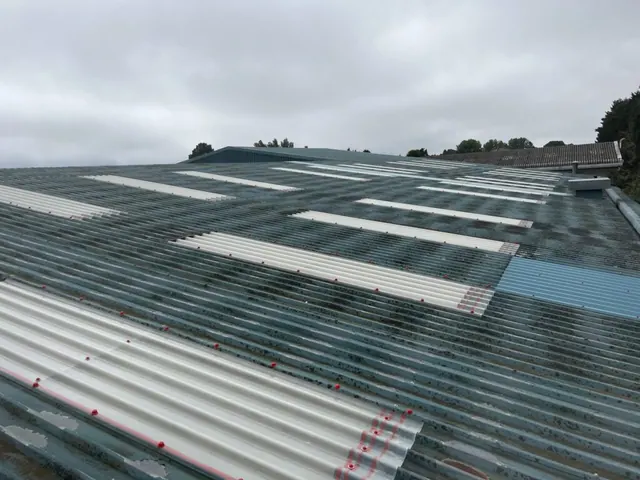
Quick answerRoutine inspections are critical for maintaining the structural integrity of your roof. Over time, weather conditions, wear and tear, and aging materials can lead to hidden problems.
A commercial roof is one of the most valuable assets of any business property. It protects your building, equipment, employees, and daily operations from environmental damage. However, without proper inspection and maintenance, even the strongest roofing systems can deteriorate over time.
Regular commercial roof inspection and maintenance services are essential to ensure durability, safety, and cost efficiency. By identifying issues early and addressing them promptly, business owners can avoid expensive repairs and extend the life of their roofs.
Worried about your roof?Wichita Roofing Pros will check it for free and explain what we find in plain words.Book a Free Inspection or call (316) 742-1900
Why Commercial Roof Inspection Matters
Routine inspections are critical for maintaining the structural integrity of your roof. Over time, weather conditions, wear and tear, and aging materials can lead to hidden problems.
Key benefits of regular inspections:
- Early detection of leaks and damage
- Prevention of structural issues
- Improved safety for occupants
- Compliance with building regulations
- Reduced long-term repair costs
Ignoring small issues can lead to major expenses, making inspections a smart investment.
What is Commercial Roof Maintenance?
Commercial roof maintenance involves routine care and minor repairs to keep your roofing system in optimal condition. This includes cleaning, sealing, repairing small damages, and ensuring proper drainage.
Maintenance works hand-in-hand with inspections to provide a complete roofing care solution.
By identifying issues early and addressing them promptly, business owners can avoid expensive repairs and extend the life of their roofs.
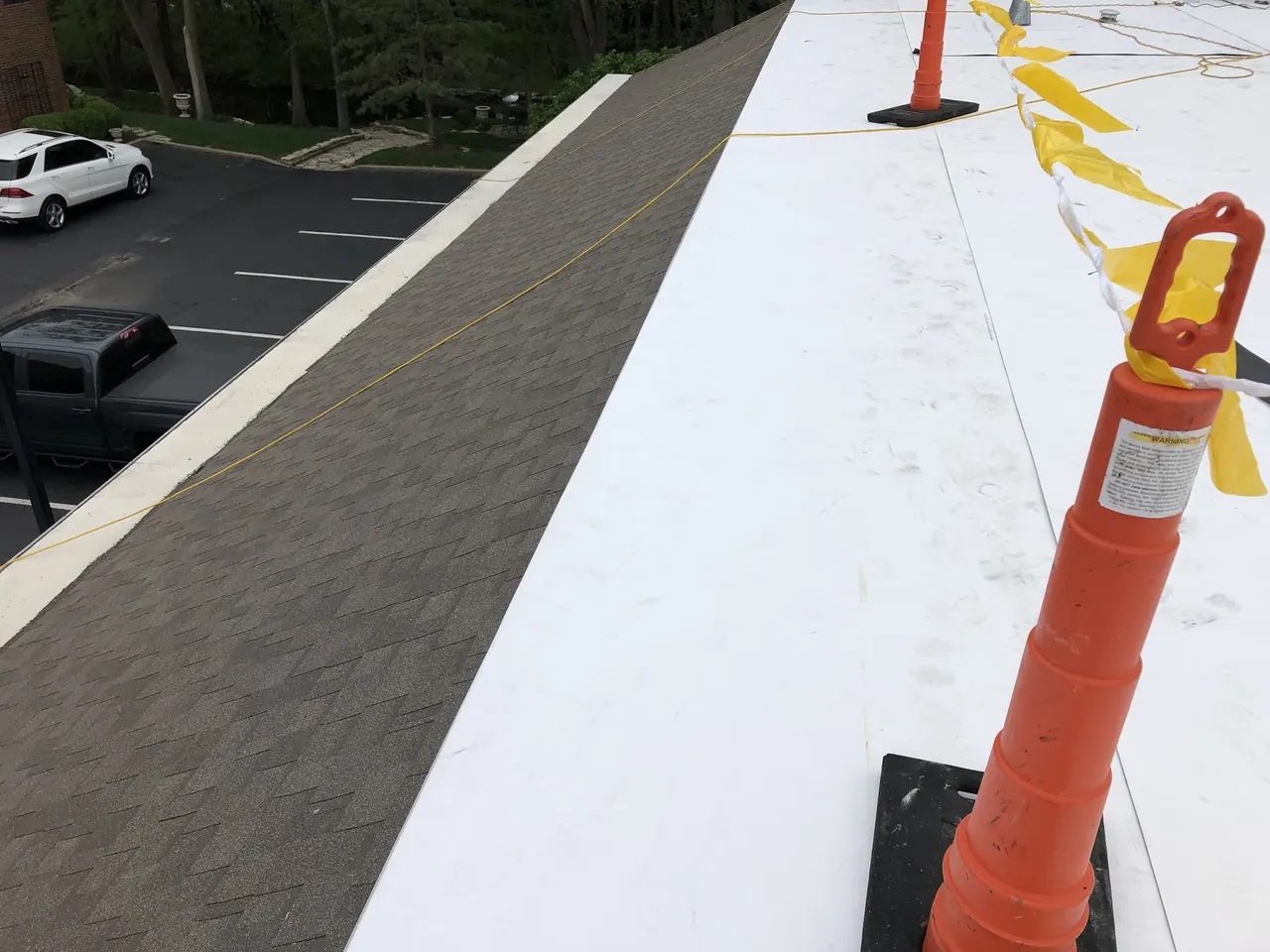
Common Commercial Roofing Problems
Understanding common roofing issues helps you take preventive action.
1. Roof Leaks
Leaks are one of the most common problems and can lead to water damage and mold growth.
2. Ponding Water
Standing water can weaken roofing materials and lead to structural damage.
3. Membrane Damage
Cracks, blisters, and punctures can compromise the roof’s effectiveness.
4. Poor Drainage
Blocked drains can cause water accumulation and damage.
5. Weather Damage
Storms, wind, and UV exposure can deteriorate roofing materials over time.
Regular inspections help detect these problems early and prevent costly repairs.
Types of Commercial Roofing Systems
Different roofing systems require specific inspection and maintenance approaches.
Flat Roofs
Common in commercial buildings, flat roofs require frequent monitoring for drainage issues.
Metal Roofs
Durable and long-lasting but need inspection for corrosion and loose fasteners.
TPO and EPDM Roofs
Popular membrane roofing systems that require regular checks for tears and seams.
Built-Up Roofing (BUR)
Multi-layered systems that need maintenance to prevent cracking and water infiltration.
Each roofing type benefits from customized maintenance plans.
The Commercial Roof Inspection Process
A professional inspection involves a detailed evaluation of your roofing system.
Step 1: Visual Assessment
Inspectors examine the roof surface for visible damage.
Step 2: Structural Evaluation
Checking for sagging, weak spots, or structural concerns.
Step 3: Drainage Inspection
Ensuring gutters and drains are functioning properly.
Step 4: Leak Detection
Identifying areas prone to water infiltration.
Step 5: Detailed Report
Providing recommendations for repairs or maintenance.
This comprehensive approach ensures no issue goes unnoticed.
Importance of Preventive Maintenance
Preventive maintenance is the key to extending the lifespan of your commercial roof.
Benefits include:
- Reduced repair costs
- Improved energy efficiency
- Longer roof lifespan
- Enhanced building safety
- Better overall performance
A proactive approach helps businesses avoid unexpected disruptions.
How Often Should You Schedule Inspections?
Experts recommend scheduling commercial roof inspections:
- Twice a year (spring and fall)
- After major storms
- Before and after extreme weather conditions
- When signs of damage appear
Regular scheduling ensures consistent protection and maintenance.
Cost Savings Through Regular Maintenance
Many business owners hesitate to invest in maintenance, but it actually saves money in the long run.
Cost-saving advantages:
- Prevents major repairs
- Reduces emergency expenses
- Extends roof lifespan
- Improves energy efficiency
Small investments in maintenance can lead to significant savings over time.
Signs Your Commercial Roof Needs Immediate Attention
Watch for these warning signs:
- Water stains on ceilings
- Increased energy bills
- Visible cracks or damage
- Standing water on the roof
- Mold or mildew growth
If you notice any of these issues, it’s time to schedule an inspection.
Choosing the Right Roofing Professionals
Selecting experienced professionals ensures quality service and reliable results.
Consider the following:
- Industry experience
- Proper licensing and insurance
- Positive customer reviews
- Advanced inspection tools
- Transparent pricing
A trusted provider ensures your roof receives the best care possible.
The Role of Technology in Roof Inspections
Modern technology has improved the accuracy and efficiency of roof inspections.
Innovations include:
- Drone inspections
- Thermal imaging
- Moisture detection tools
- Digital reporting systems
These tools help identify hidden issues and provide detailed insights.
Environmental Benefits of Roof Maintenance
Proper maintenance also contributes to sustainability.
- Reduces waste by extending roof lifespan
- Improves energy efficiency
- Minimizes environmental impact
- Supports eco-friendly building practices
Maintaining your roof is both cost-effective and environmentally responsible.
Future Trends in Commercial Roofing
The roofing industry continues to evolve with new advancements.
Key trends:
- Green roofing systems
- Solar panel integration
- Smart roofing technology
- Sustainable materials
Businesses that adopt these trends benefit from improved efficiency and long-term savings.
Conclusion
Commercial roof inspection and maintenance are essential for protecting your property, ensuring safety, and reducing long-term costs. Regular inspections help identify issues early, while maintenance keeps your roofing system in peak condition.
By investing in professional services, businesses can extend the lifespan of their roofs, improve energy efficiency, and avoid costly repairs. For reliable and expert roofing solutions, trust Wichita Roofing Pros to deliver high-quality inspection and maintenance services tailored to your needs.
What Wichita weather does to low-slope roofs
Summer heat, UV, hail and heavy rain stress low-slope roofs differently than shingle roofs. Seams, flashings, drains and rooftop equipment curbs are the usual weak points, and ponding water speeds up wear.
Low-slope roof systems at a glance
Commercial systems are chosen separately from residential materials.
| System | Strengths | Often used for |
|---|---|---|
| TPO single-ply | Reflective white surface, heat-welded seams | Offices, retail, warehouses |
| Modified bitumen | Multi-ply toughness, puncture resistance | Roofs with foot traffic, smaller low-slope areas |
| Repair & maintenance | Extends roof life, lower upfront cost | Roofs with isolated issues |
How we inspect a commercial roof
A consistent process gives owners and managers a clear budget picture.
- Review history. Age, past repairs and leak locations.
- Walk the field and perimeter. Seams, edges, flashings and equipment.
- Check drainage. Drains, scuppers and ponding areas.
- Document. Photos and notes for each issue.
- Prioritize. Now, soon and monitor, with written pricing.
Commercial roof mistakes that shorten roof life
- Skipping post-storm inspections
- Letting drains clog
- Allowing unprotected foot traffic around equipment
- Patching over wet insulation
- Replacing a roof that a repair would have extended
What affects commercial roofing cost
Roof size, system type, insulation, number of penetrations, drainage changes, access and whether wet insulation must be removed. A maintenance plan spreads cost out and supports budgeting.
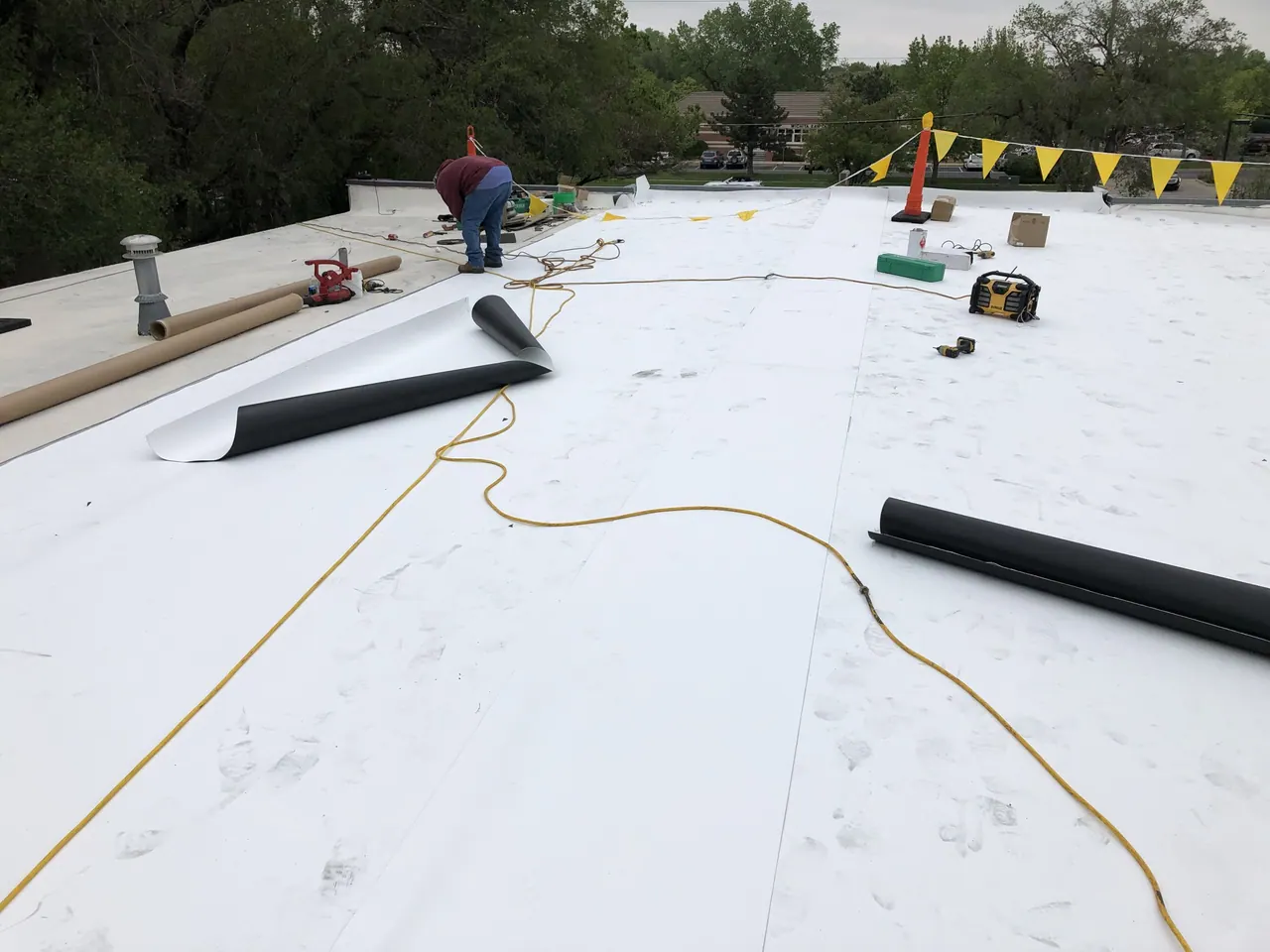
From our work: Commercial Membrane Roof
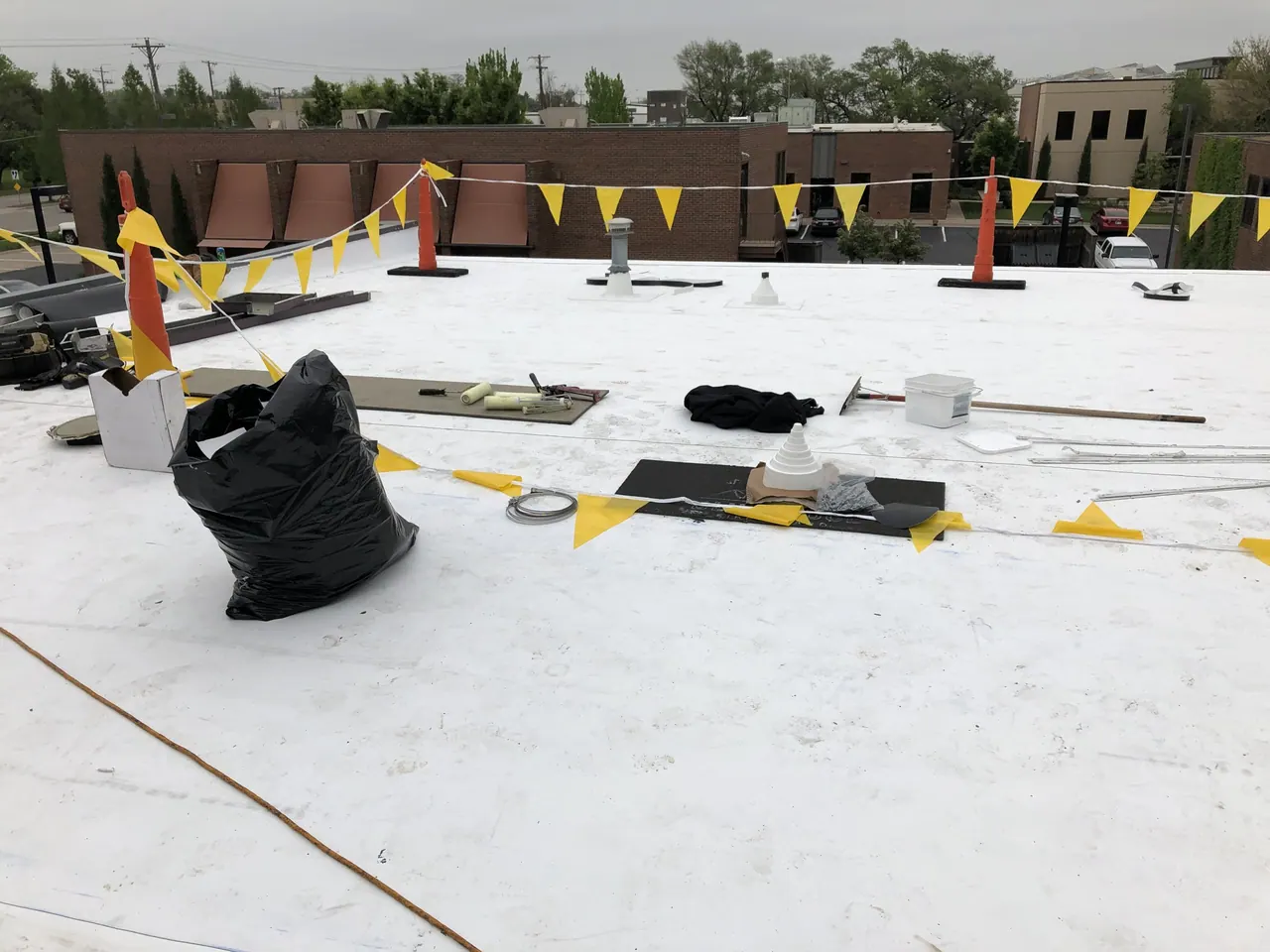
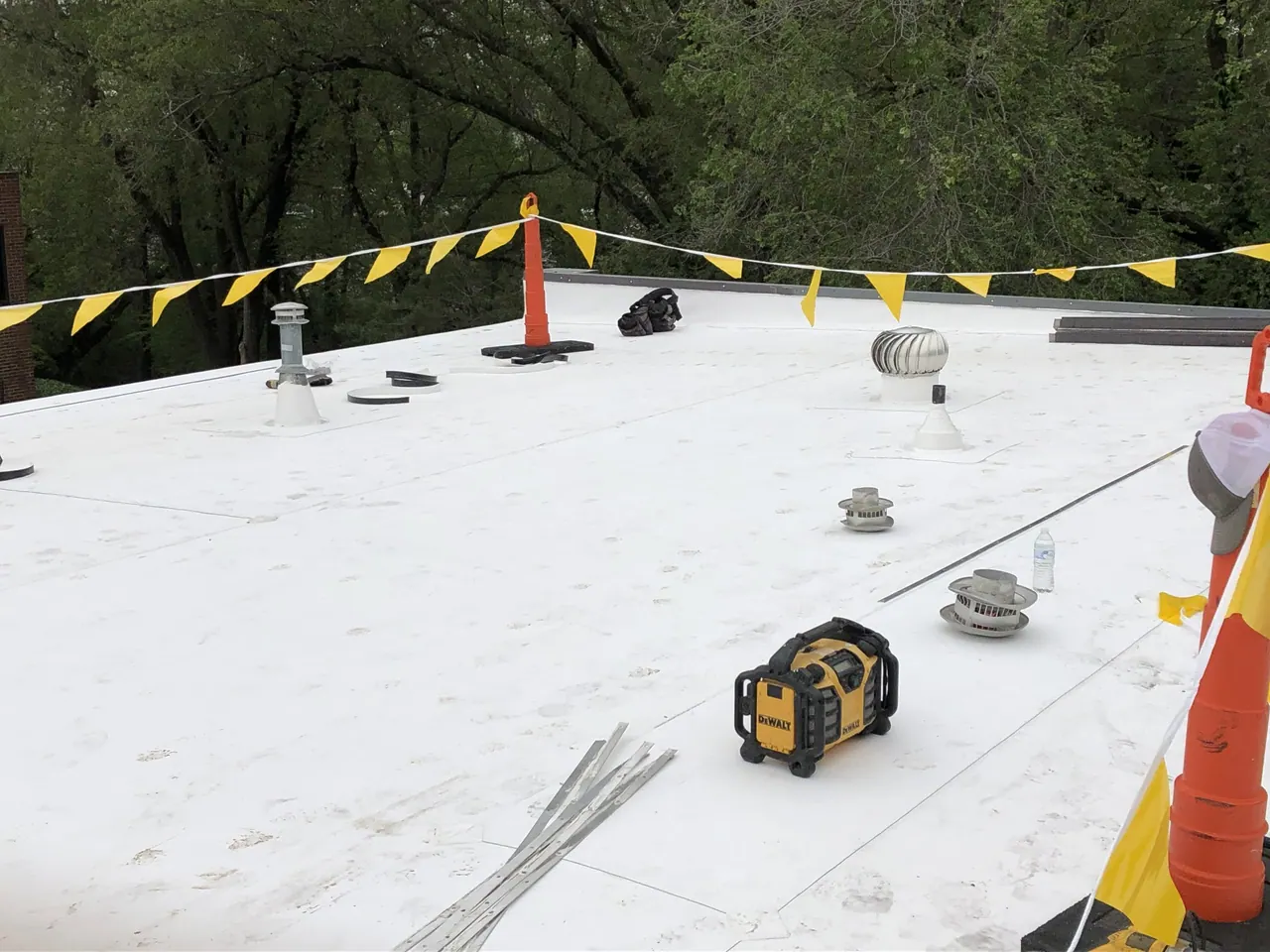
Insulation boards staged on the deck, then a white single-ply membrane rolled out, fastened and seamed across a low-slope commercial roof.
Commercial Roof Inspection and Maintenance for Long-Term Protection? The honest answer depends on your roof’s age, material and the damage we can document. A free inspection from Wichita Roofing Pros gives you photos, a plain-English explanation and a written next step — with no obligation. Hablamos Español.
Schedule a Free Roof InspectionCall (316) 742-1900FAQs
1. How often should a commercial roof be inspected?
It is recommended to inspect your roof at least twice a year and after major weather events.
2. What is included in a commercial roof inspection?
It includes checking for leaks, structural issues, drainage problems, and overall roof condition.
3. Why is preventive maintenance important?
It helps avoid costly repairs, extends roof lifespan, and ensures safety.
4. Can regular maintenance reduce energy costs?
Yes, a well-maintained roof improves insulation and reduces energy consumption.
5. How long does a commercial roof last?
With proper maintenance, most commercial roofs can last 20–40 years depending on the material.
How often should a commercial roof be inspected?
At least twice a year and after major storms.
Is ponding water a problem?
Water that stays more than about 48 hours speeds up wear and should be evaluated.
Can a TPO roof be repaired?
Yes. Seams and punctures can often be repaired when the rest of the membrane is sound.




